Jay Rockefeller dies at 89 after decades in Senate
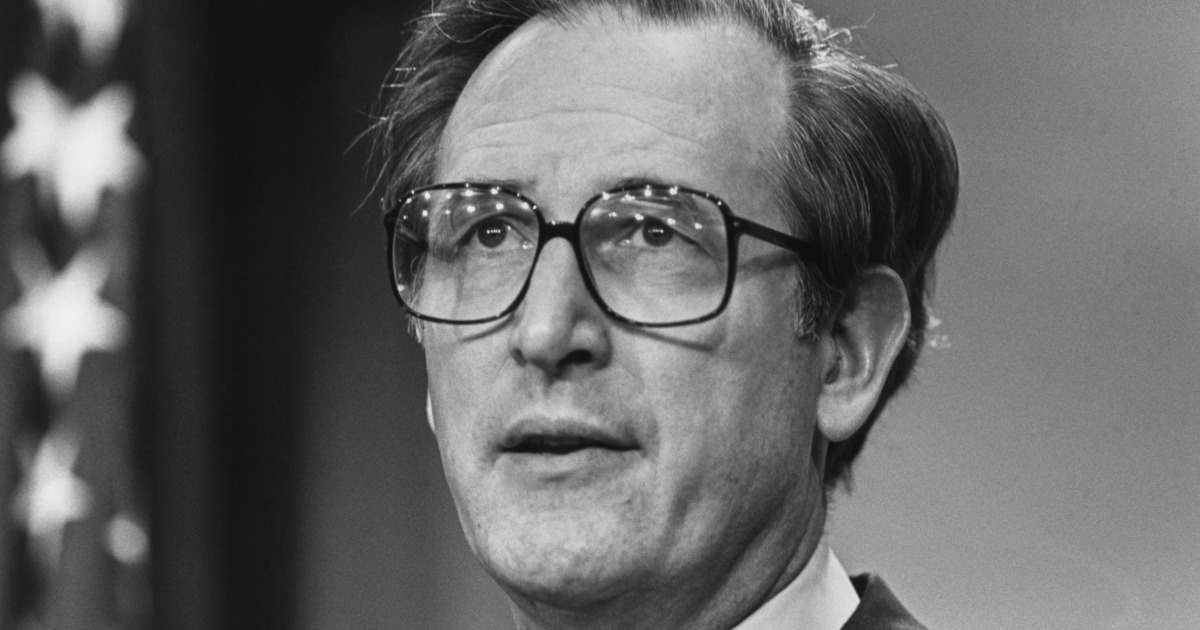
Jay Rockefeller, the West Virginia Democrat and Rockefeller heir who spent three decades in the U.S. Senate pushing expanded healthcare and later criticizing the Iraq War, has died at 89 at his Washington home. His family did not provide a cause of death. News of the former governor and five-term senator broke Friday, Nov. 6, 2026, according to NBC News and local reports.
Key Takeaways
- Jay Rockefeller died at 89 at his home in Washington, surrounded by family.
- He served as West Virginia governor (1977–1985) and U.S. senator (1985–2015).
- He helped shape CHIP children’s coverage and backed the 2010 Affordable Care Act.
- As Senate Intelligence Committee chair, he said the Iraq War rested on “false premises.”
- A great-grandson of oil tycoon John D. Rockefeller, he first came to West Virginia as a VISTA volunteer.
Who was Jay Rockefeller and why does his death matter?
John D. “Jay” Rockefeller IV was a soft-spoken liberal Democrat who represented one of America’s poorest coal states while carrying one of its most famous names. He was a great-grandson of oil tycoon John D. Rockefeller and nephew of figures including New York Gov. Nelson Rockefeller.
His death closes a nearly five-decade public career that stretched from West Virginia’s Statehouse to Capitol Hill committee rooms on health care, intelligence, commerce, and veterans’ affairs. For readers tracking institutional power and policy risk, related coverage also appears in our Fintech & Crypto Alerts hub.
How did Jay Rockefeller rise in West Virginia politics?
Born June 18, 1937, in New York, Rockefeller’s path shifted after Harvard when he served in a national service program in rural West Virginia from 1964 to 1966, including VISTA work in Emmons. He won a state legislative seat in 1966 and became secretary of state in 1968.
He lost a 1972 governor’s race to Republican Arch Moore, later served as president of West Virginia Wesleyan College, then won the governorship in 1976 and was reelected in 1980—becoming the first Democratic governor of the state to win consecutive terms. In 1984 he spent millions of his own fortune to win a U.S. Senate seat, narrowly defeating John Raese, and won reelection in 1990, 1996, 2002, and 2008. He did not seek a sixth term in 2014 and was succeeded by Republican Shelley Moore Capito.
What defined Jay Rockefeller’s Senate legacy on health and war?
In the Senate, Rockefeller pressed to expand care for the poor, coal miners, and veterans. He helped shape the 1997 Children’s Health Insurance Program (CHIP), backed Bill Clinton’s failed near-universal coverage plan, and fought for Barack Obama’s 2010 health overhaul while unsuccessfully pushing a public insurance option.
He voted in 2002 to authorize the Iraq War, later saying he would have opposed it with fuller knowledge and accusing the Bush administration of taking the nation to war on “false premises.” A 2008 Intelligence Committee report issued while he was chairman said senior officials exaggerated findings on Iraq’s weapons and Al Qaeda ties. He also chaired Commerce, Science, and Transportation and Veterans Affairs committees.
Rockefeller was married to public television executive Sharon Percy Rockefeller; they had four children. He announced in 2013 that championing those most in need had been his life’s calling—work that outlasted the dynasty name that first made him famous.