Fifa bans England's Jarell Quansah for two World Cup matches
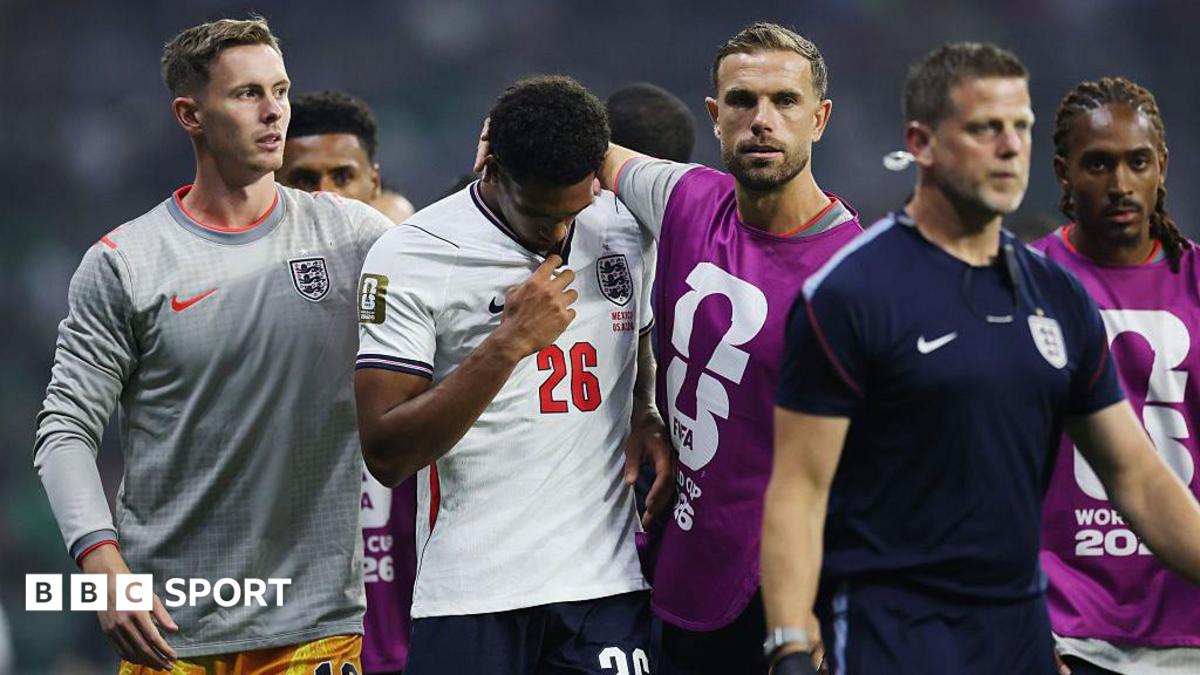
FIFA has banned England defender Jarell Quansah for two World Cup 2026 matches after his red card for serious foul play against Mexico, ruling him out of Saturday's quarter-final against Norway in Miami and any semi-final England might otherwise reach. The FIFA Disciplinary Committee confirmed the sanction on Thursday, citing a breach of Article 14 of the FIFA Disciplinary Code following the 23-year-old's dismissal in England's 3-2 round-of-16 win.
Key Takeaways
- Quansah received a two-match FIFA ban after a VAR-reviewed challenge on Mexico's Jesus Gallardo was classed as serious foul play.
- He will miss England's quarter-final against Norway and a potential semi-final; he could only return if England reach the final on 19 July.
- The Football Association explored appeal options, but tournament rules offer no clear route to overturn the disciplinary committee's decision.
- The ban deepens England's right-back crisis with Reece James injured and Djed Spence carrying a minor fitness concern.
- FIFA's ruling lands amid scrutiny over inconsistent red-card punishments, including the overturned ban on USA striker Folarin Balogun.
Why did FIFA ban Jarell Quansah for two matches?
Quansah was sent off in the 54th minute of England's 3-2 victory over Mexico on 5 July at Mexico City's Estadio Azteca. Referee Clement Turpin reviewed pitchside monitor footage showing the Bayer Leverkusen defender's studs making contact with Gallardo's left leg during a sliding tackle.
FIFA classified the incident as serious foul play. That carries an automatic one-match suspension plus an additional game on top, totalling two matches under the BBC's reporting on the disciplinary ruling.
In a statement, FIFA said the FIFA Disciplinary Committee imposed a "2-match suspension for a breach of article 14 of the FIFA Disciplinary Code," to be served in England's upcoming World Cup fixtures per Article 69.
Which England games will Quansah miss?
Quansah is suspended for Saturday's quarter-final against Norway in Miami Gardens, kicking off at 22:00 BST. If Thomas Tuchel's side advance, he will also miss a potential semi-final against Argentina or Switzerland.
He would only become eligible again should England reach the final in New Jersey on 19 July, or contest the third-place play-off. The suspension applies solely to the World Cup tournament.
Quansah had already been set to miss the Norway tie through the standard red-card ban before FIFA added the extra match for the nature of the foul.
What does the ban mean for England's right-back options?
The sanction compounds a positional headache for Tuchel. Quansah started against Mexico while James remained sidelined through injury. Spence was held back as a substitute because of a minor fitness issue, and Ezri Konsa finished the game at right-back after Quansah was dismissed.
Quansah also sustained an ankle problem before his sending-off in the dramatic Mexico City win. With the defender unavailable until a possible final, England must settle on a new starter at right-back for the knockout run.
FIFA has appointed French referee Clement Turpin to take charge of the Norway quarter-final. Turpin previously officiated England's 4-2 group-stage win over Croatia.
Can England appeal Quansah's FIFA suspension?
The Football Association said it was considering its options after the red card, including whether to challenge the initial one-match ban. However, under World Cup tournament regulations, there is no clear avenue to appeal the two-match sanction once FIFA's disciplinary committee has ruled.
The decision has drawn attention because FIFA previously suspended USA striker Folarin Balogun's automatic one-match ban, allowing him to play against Belgium in the last 16. US President Donald Trump said he spoke to FIFA president Gianni Infantino about that case, though Infantino has defended the disciplinary committee's independence.
As VAR and review technology continue to shape high-stakes tournament decisions, Quansah's extended ban has renewed questions about how FIFA applies its disciplinary code across different incidents.