Japan PM's three-hour sleep news sparks work culture debate
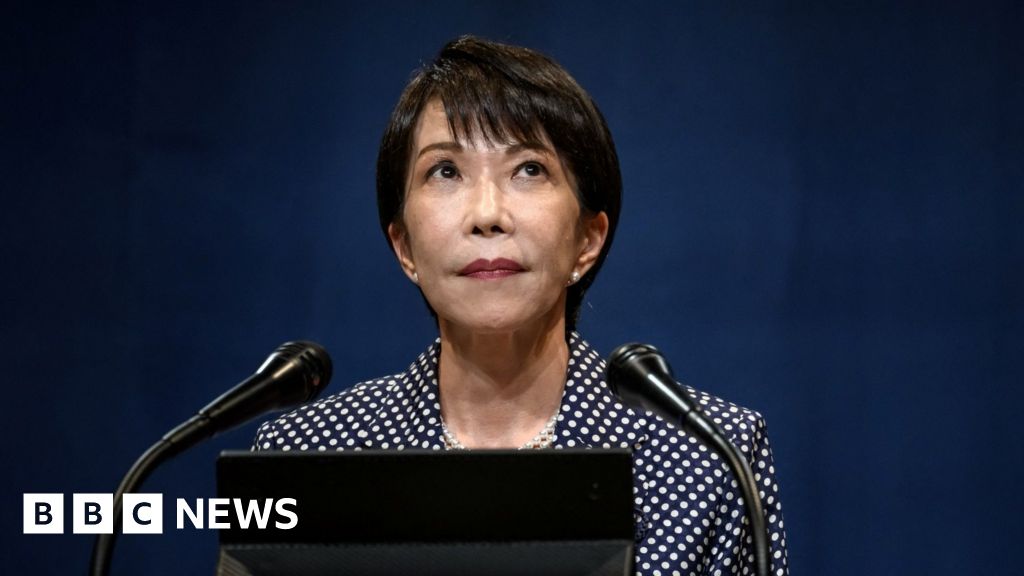
Japan's prime minister Sanae Takaichi says she survives on zero to three hours of sleep a night, according to sleep news from her post on X that has startled the country and fueled debate over work culture, leadership stamina, and whether anyone can run a nation on so little rest.
The disclosure, covered by outlets including the BBC, The New York Times, and CNN, did not land as a quirky personal detail. It landed as a stress test of how Japan talks about overwork, duty, and what leaders owe the public when they advertise extreme schedules.
Key Takeaways
- Prime Minister Sanae Takaichi said on X that she gets zero to three hours of sleep a night.
- A holiday post about ironing and laundry drew swift online backlash.
- The episode has reignited debate about Japan's work culture and leadership under strain.
- CNN notes the reaction sits alongside mounting protests and falling approval ratings.
- For productivity-minded readers, the story is a reminder that extreme sleep cuts are not a proven wealth hack.
What did Japan's prime minister say about sleep?
According to the BBC, Takaichi revealed in a post on X that she survives on zero to three hours of sleep per night. That claim is the core of the latest sleep news cycle: a sitting head of government describing a rest schedule most doctors would call unsafe for long-term decision-making.
The New York Times framed the reaction as national surprise at a grueling sleep schedule. The point is not only how little she says she sleeps. It is that she said it publicly, in her own words, while running the country.
People are reacting, the BBC reports, and the conversation has quickly widened beyond one politician's bedtime. Tokyo correspondent coverage has linked the post to a broader argument about Japan's work culture: what counts as dedication, and what looks like burnout dressed up as virtue.
Why did a post about chores backfire?
CNN reports that Takaichi's holiday post about ironing and laundry drew swift backlash online. In isolation, chores might have read as relatable. Paired with an extreme sleep claim, the same domestic details looked, to critics, like tone-deaf multitasking theater.
The network says the post fueled debate over her long hours, lack of sleep, and leadership. That mix matters. The controversy is not only about laundry. It is about whether a leader's public self-portrait of endless work reassures voters or unsettles them.
CNN also places the online anger in a tougher political climate: mounting protests and falling approval ratings. When trust is already soft, personal branding around exhaustion can read less like grit and more like a warning light.
Readers who follow hustle culture will recognize the pattern. Extreme schedules often get marketed as proof of seriousness. In this case, the same marketing sparked the opposite reaction: alarm, mockery, and questions about judgment.
Does three hours of sleep really work for high performers?
The top question in the sleep news coverage is blunt: could you run a country on just three hours of sleep? Takaichi's answer, in effect, is that she does. The public answer appears to be: we are not convinced that is wise.
None of the cited reports present medical evidence that zero-to-three-hour nights are sustainable for peak executive performance. They document a political and cultural reaction. That distinction is useful for anyone tempted to copy a celebrity or political sleep routine as a productivity shortcut.
Short sleep can feel productive in the moment because the calendar fills. Over time, attention, mood, and risk judgment tend to suffer. Leaders are not exempt from biology because their inboxes are full.
If you are hunting for durable wealth hacks and passive income strategies, sleep deprivation is a poor candidate. Systems that create income while you rest beat systems that require you to erase rest.
What does this sleep news say about Japan's work culture?
The BBC notes that the episode has sparked conversation about Japan's work culture. That framing is the story beneath the story. Extreme hours have long been debated in Japan as both a source of national competitiveness and a public-health problem.
When a prime minister describes near-sleepless nights as normal, critics hear an official endorsement of overwork, even if that was not the intended message. Supporters may hear loyalty and grind. The gap between those readings is where the backlash lives.
The New York Times headline that Japan is startled by the schedule captures the emotional register: not quiet admiration, but shock. Startle is what happens when a private coping mechanism becomes a public standard people fear others will be pressed to match.
CNN's reporting that leadership itself is under debate shows how quickly sleep became a proxy for competence. In politics, stamina narratives are common. In 2026 Japan, this one collided with online skepticism and a colder approval climate.
What should ambitious workers take from the backlash?
First, transparency about strain is not automatically good branding. Takaichi shared a personal schedule and domestic chores; the internet answered with questions about judgment, delegation, and role modeling.
Second, extreme sleep is a fragile status symbol. It may impress for a day and then invite scrutiny about decision quality, staff support, and whether the workload is being managed or merely endured.
Third, for career and money goals, recoverability beats martyrdom. Investors, founders, and salaried professionals alike need repeatable energy more than one viral week of all-nighters.
Fourth, cultural context matters. What reads as heroic dedication in one circle can read as dangerous precedent in another. Japan's reaction, as reported by major international newsrooms, shows how sensitive that line remains.
The practical lesson from this sleep news wave is simple. Running a country, a company, or a household on three hours of sleep may be possible for a stretch. Making that stretch your brand is another choice entirely, and Japan is showing how costly that choice can look in public.
Credible outlets will keep watching whether the debate stays on personal habits or expands into policy pressure around working hours and leadership norms. For now, the verified core is clear: the prime minister says she sleeps very little, chores talk backfired, and a startled public is arguing about what that says about work, health, and power.