Iran targets Bahrain as U.S. interceptor stockpiles dwindle
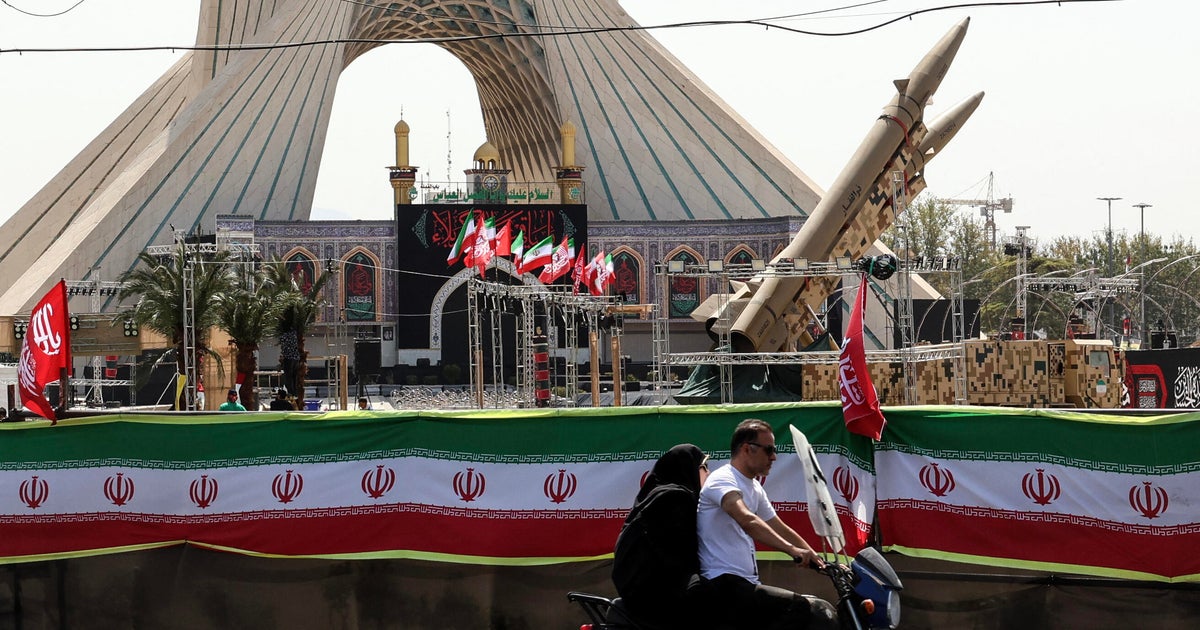
Iran claimed Friday drone strikes on U.S. military facilities in Bahrain, Jordan and Kuwait, with explosions reported near a U.S. base in northern Iraq. The attacks followed a 13th night of U.S. strikes on Iran. Officials say interceptor use is unsustainable, as The Wall Street Journal reported Bahrain and Kuwait earlier hit Iranian depots.
Key Takeaways
- Iran said it struck U.S. sites in Bahrain, Jordan and Kuwait with drones on Friday.
- Jordan intercepted seven Iranian missiles and six drones; Kurdish forces said five drones were downed over Erbil.
- U.S. officials told CBS News that interceptor and munitions use is unsustainable amid Indo-Pacific readiness concerns.
- The Wall Street Journal reported Bahrain and Kuwait secretly struck Iranian drone and missile depots earlier this month.
- Brent crude fell back under $100 Friday; U.S. sanctions also targeted an Iranian financier tied to digital assets.
What did Iran claim about attacks on Bahrain?
Iran's army said Friday it used Arash kamikaze drones against fuel tanks, equipment warehouses, silos and barracks at Isa Air Base in Bahrain. Bahrain's interior ministry said air raid sirens were sounding.
Tehran also claimed drone attacks on aircraft hangars, maintenance hangars and a barracks at Jordan's Al-Azraq base, plus U.S. equipment warehouses and personnel sites at Camp Udairi, Camp Doha and Camp Arifjan in Kuwait. Iran's Islamic Revolutionary Guard Corps separately said it targeted Ali Al Salem Air Base in Kuwait.
In northern Iraq, Kurdish counterterrorism forces told AFP that coalition forces downed five explosive-laden drones over Erbil between 9:32 and 9:45 a.m. local time, with no casualties reported. Jordan's military said it intercepted seven missiles and six drones, resulting in no casualties or material damage.
Why are U.S. interceptor stockpiles under pressure?
According to U.S. military and intelligence officials who spoke to CBS News, the pace of using advanced missile interceptors and precision-guided weapons in the Middle East is unsustainable and has become a point of tension inside the Trump administration.
Officials said dwindling stockpiles of defensive interceptors and long-range missiles raise broader concerns about readiness for a potential Indo-Pacific conflict, including deterring China. The U.S. military completed a 13th consecutive night of strikes on Iran aimed at reducing threats to commercial vessels in the Strait of Hormuz, which Centcom insisted remains open despite minimal traffic.
How does the Bahrain retaliation report change the Gulf picture?
The Wall Street Journal reported that Bahrain and Kuwait secretly sent warplanes to strike drone and missile storage depots inside Iran earlier this month—their first direct retaliation against Tehran. The United Arab Emirates provided intelligence and defensive air cover, according to the report. Spokespeople for Bahrain and Kuwait did not comment.
Market watchers are tracking spillover into energy and digital-asset channels. Brent crude fell about 4% Friday to about $96 after reaching $101 Thursday, its highest level since May, CBS News reported. Separately, the U.S. sanctioned Iranian billionaire Babak Zanjani, targeting entities tied to his Dot One conglomerate, which Treasury said is involved in telecommunications, transportation, airlines and digital assets such as cryptocurrency. For related market coverage, see Fintech & Crypto Alerts.