Intermittent fasting increases lifespan in male mice by 12%
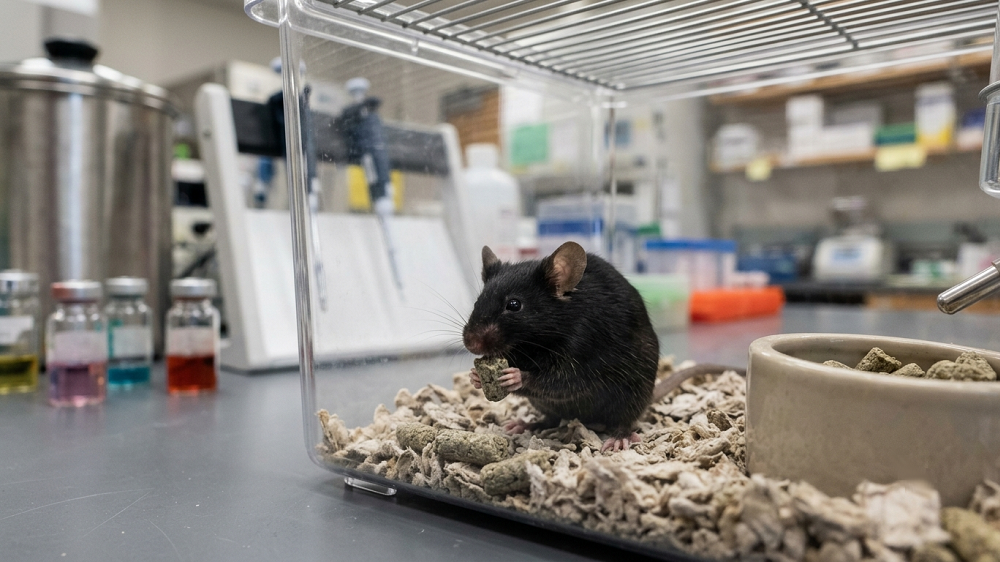
New research shows that intermittent fasting increases lifespan in male mice when food is limited to an eight-hour nightly window, raising median survival by about 12% and extending maximal lifespan by 3%. Female mice saw health gains but no significant lifespan extension, and experts caution the benefit may partly reflect voluntary caloric restriction. The findings, published in Nature Aging, add fresh evidence to the debate over whether timing meals alone can slow aging—or whether eating less is doing the heavy lifting.
Key Takeaways
- An eight-hour nightly feeding window extended median lifespan by 12% in male mice and maximal lifespan by 3%.
- A 12-hour window improved body composition but did not lengthen life in either sex.
- Both sexes gained healthspan benefits, with females showing proportionally larger gains relative to lifespan.
- Researchers could not fully separate time restriction from voluntary caloric restriction in most groups.
- The study tested lean mice on normal chow, not obese animals—a closer analog to healthy human eaters.
How Did Researchers Test Intermittent Fasting in Mice?
Scientists at the University of Texas Southwestern individually housed 528 C57BL/6J mice—264 male and 264 female—starting at two months of age. Automated feeders dispensed purified-diet pellets and logged every meal.
After eight weeks of unrestricted eating, mice were split at four months into three lifelong groups: ad libitum controls, 12-hour time-restricted feeding (TRF), or eight-hour TRF during the active nighttime period. Daily food allotments always exceeded what any group consumed, so any calorie cut had to be voluntary.
The design builds on the same team's 2022 Science study showing circadian-aligned caloric restriction extends male mouse lifespan. This time, researchers asked whether shrinking the eating window alone—without forced calorie cuts—could replicate those gains in lean, healthy animals.
Why Did Only Male Mice Live Longer?
Twelve-hour TRF did not change lifespan in either sex. Eight-hour TRF was different: males gained roughly 12% longer median survival and about 3% longer maximal lifespan. Females showed no significant median lifespan extension despite similar—or deeper—voluntary caloric restriction.
Both eight-hour groups ate roughly 9–23% fewer calories than ad libitum controls over time. That overlap makes it difficult to isolate whether longer life came from meal timing, eating less, or both. Twelve-hour females were the one group without meaningful voluntary restriction, yet still saw metabolic improvements.
Study authors also noted females had shorter lifespans than males—a reversal of the usual pattern—possibly due to cold stress from single housing without nesting material. That housing limitation could have masked a lifespan benefit in females.
Did Time-Restricted Feeding Improve Healthspan Too?
Yes. A composite healthspan index—tracking frailty, activity, feeding rhythms, and body composition—improved in both sexes under both TRF windows. Benefits were proportionally greater in females and with the tighter eight-hour window.
Eight-hour TRF delayed median disease onset in males and boosted mid-life physical activity. Frailty scores rose more slowly, especially under the eight-hour regimen. Body weight and fat-to-lean ratios improved in both sexes, though males gained extra benefit from the narrower window.
Surprisingly, blood markers for inflammation and metabolism showed few sustained changes. Researchers suggest TRF's aging benefits may not depend on sweeping shifts in systemic hormones or cytokines.
Should Humans Try an Eight-Hour Eating Window?
Mouse metabolism runs faster than ours, so an eight-hour feeding window is a harsher regimen for rodents than for people. Translation is uncertain—and human TRE trials have reported mixed results on weight and metabolic health.
Still, the data reinforce that when you eat may matter alongside how much you eat. For more on diet-driven longevity research, explore our Longevity & Biohacking coverage. Full study details are available via the Lifespan Research Institute summary of the Nature Aging paper.