Ineos cancels Tejada cycling transfer after doping ban
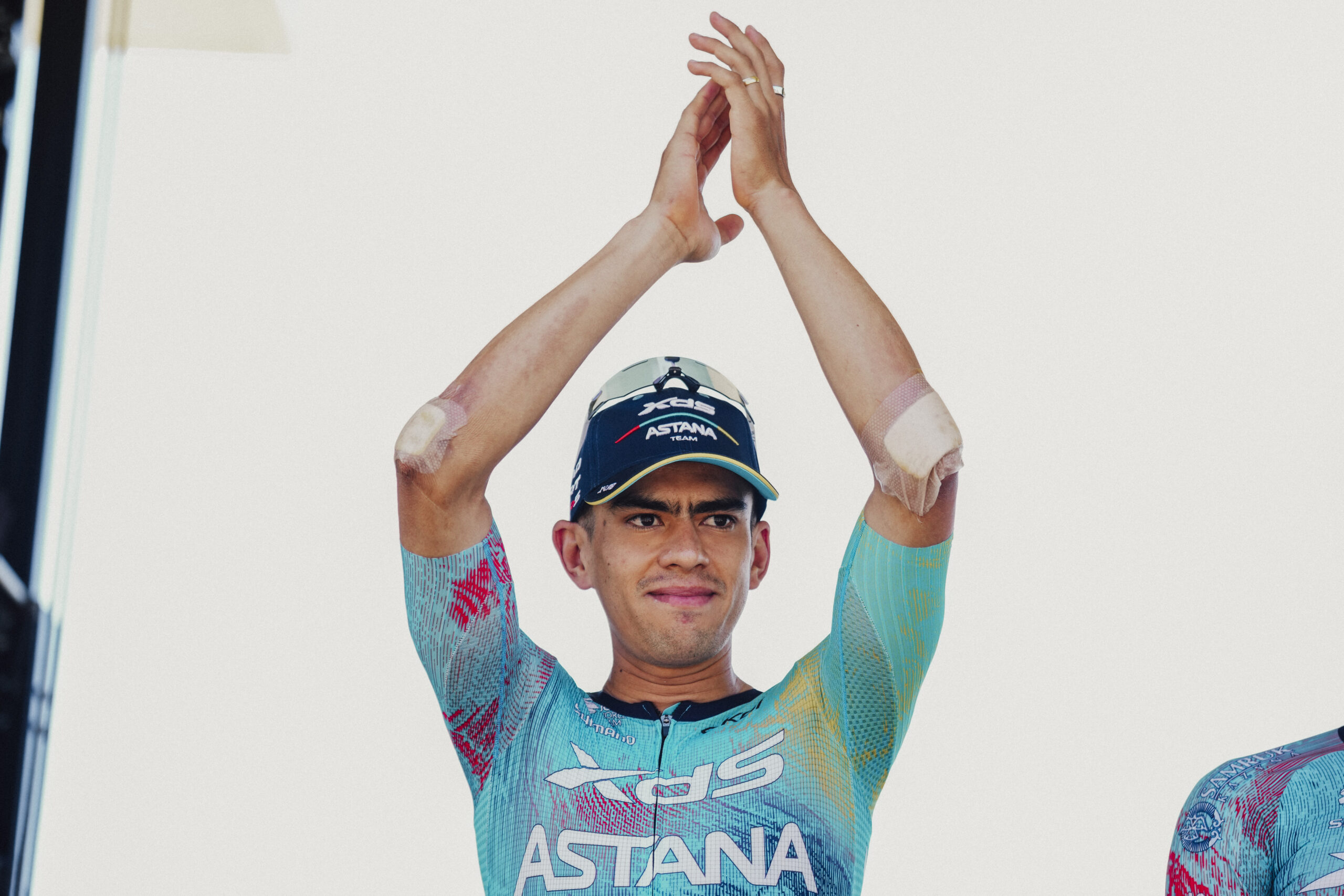
Netcompany-Ineos has cancelled Colombian climber Harold Tejada's planned 2027 transfer after he was provisionally suspended over unexplained abnormalities in his biological passport. The International Testing Agency opened anti-doping proceedings on November 26, 2026, making Tejada the first men's WorldTour cycling rider suspended in more than a year.
The British-registered squad confirmed the split within an hour of Tejada's public statement. Both sides agreed to end the deal before his January 1 start date, wiping out one of nine new arrivals earmarked for next season. For fans tracking elite cycling careers and the money that underwrites WorldTour squads, the episode is a sharp reminder that contracts can vanish overnight when anti-doping rules kick in.
Key Takeaways
- Netcompany-Ineos and Harold Tejada mutually ended his 2027 transfer before he joined on 1 January.
- The ITA opened proceedings after an Adverse Passport Finding on Tejada's haematological Athlete Biological Passport.
- Tejada, 29, is provisionally suspended; he says the measure is temporary and not a final sanction.
- He becomes the first men's WorldTour rider suspended in over a year, since Oier Lazkano in October 2025.
- Tejada had just posted a career-best season with Astana, including a Paris-Nice stage win and tenth at the Vuelta.
Why did Netcompany-Ineos cancel the Tejada transfer?
In October, Netcompany-Ineos announced Tejada as a climbing reinforcement for 2027. The team said he would "significantly strengthen the team's climbing capabilities and stage-racing depth," citing extensive WorldTour experience and results at the highest level.
Director of Racing Geraint Thomas called him "a strong, solid climber with plenty of experience" who would support GC riders and deepen the mountain group. That pitch collapsed after Tejada disclosed the ITA notice on Friday afternoon. Roughly an hour later, according to Cyclingnews, the team posted that both parties had agreed to end the 2027 agreement.
Tejada never wore the Ineos jersey. The cancellation came before his contract start, limiting roster disruption but leaving a hole in a climbing overhaul that had listed him among nine incoming riders.
What triggered the provisional doping suspension in cycling?
The International Testing Agency, acting for the UCI, notified Tejada on November 26, 2026 that an anti-doping disciplinary proceeding had begun. The ITA said his Athlete Biological Passport returned an Adverse Passport Finding because of unexplained abnormalities in haematological values.
An ABP is an individual electronic profile that tracks selected biological markers from urine and blood over time. Significant departures from an athlete's expected baseline can prompt further testing or findings of possible manipulation. Under UCI anti-doping rules and article 6.2.1 of the UCI results-management regulations, a mandatory provisional suspension followed.
Tejada has the right to challenge that suspension and seek its lifting. Importantly, a provisional ban is a temporary hold while the case proceeds; it is not itself a final doping conviction or sanction.
How has Harold Tejada responded to the case?
In a detailed Instagram statement, the Colombian stressed cooperation and due process. He said he has "acted with diligence and responsibility, providing all requested information in a timely manner," and will keep doing so with respect for anti-doping authorities and cycling institutions.
"Pending the resolution of this proceeding, I am under a provisional suspension in connection with an investigation into my biological passport," he wrote. "I wish to clarify that this suspension is a temporary measure; it does not constitute a sanction or a final decision."
His legal and medical team will present a defence through established channels. Citing confidentiality, he asked for privacy and said he would make no further public comments while the case continues. He thanked family, friends, and supporters who reached out after the news broke.
Where does this sit in recent WorldTour anti-doping history?
Tejada's case is the first anti-doping measure against a male WorldTour professional since Oier Lazkano was provisionally suspended in October 2025, also over biological-passport abnormalities registered between 2022 and 2024. Lazkano denied doping, was dropped by Red Bull-Bora-Hansgrohe, and his case remains open.
Separately, Miguel Ángel López saw his appeal against a four-year ban for use and possession of human growth hormone rejected by the Swiss Federal Tribunal in August. After backdating, López is eligible to return in July 2027—another Colombian climber whose career collided with anti-doping enforcement.
Against that backdrop, Tejada's career-best 2026 season now sits under a cloud. Riding for XDS-Astana since 2019, he won a Paris-Nice stage, finished tenth overall at the Vuelta a España, and took second on Stage 13 of the Tour de France behind Mauro Schmid from a breakaway sprint.
Those results made him an attractive WorldTour asset and underpinned the Ineos signing. The abrupt end to that move shows how quickly passport findings can rewrite a rider's next contract—and how teams manage risk when provisional suspensions land mid-transfer window.
What remains unresolved is the substance of Tejada's defence and whether the provisional suspension is lifted or replaced by a final ruling. Until then, he cannot race, Netcompany-Ineos will fill the climbing gap without him, and the wider peloton will watch another biological-passport case unfold under ITA and UCI procedures.