Hugh Jackman almost starred in Drive before Ryan Gosling
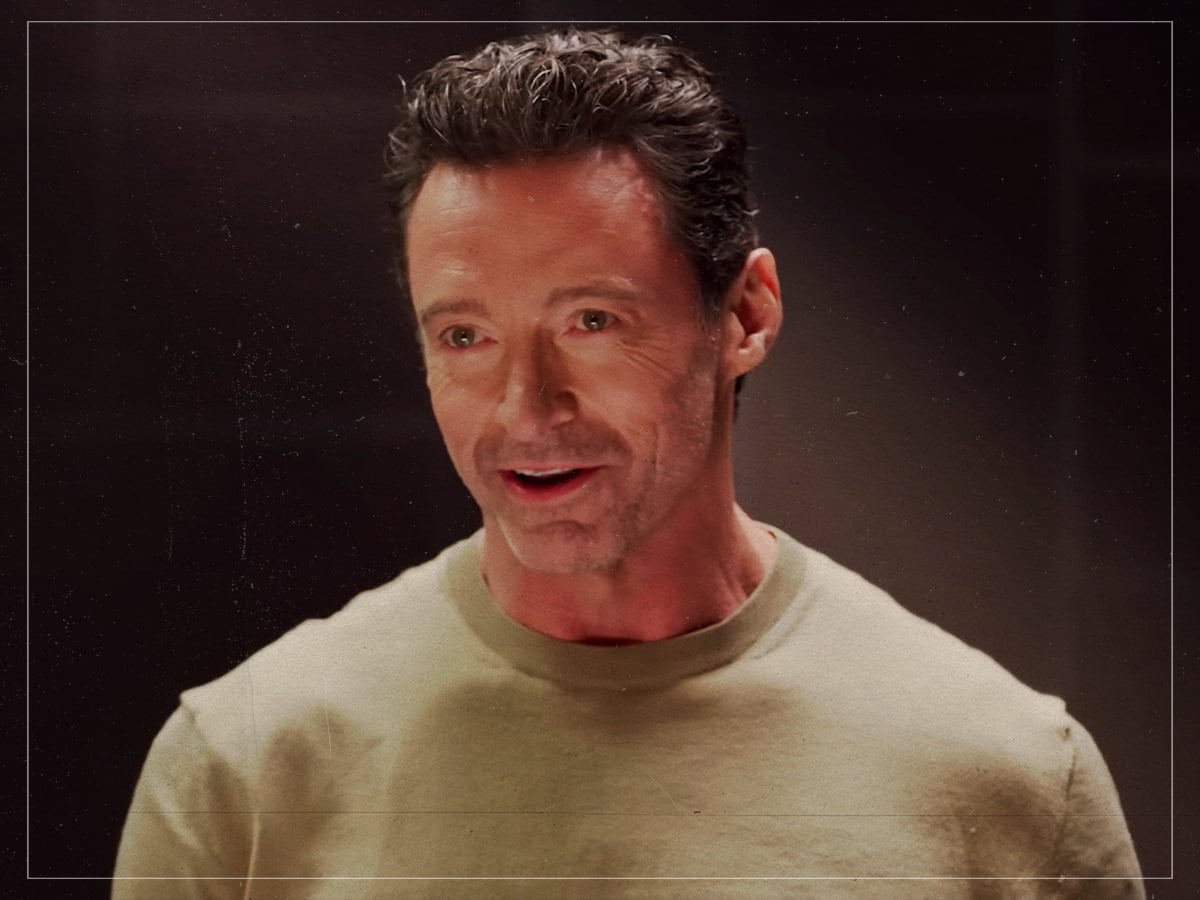
Hugh Jackman was originally attached to star in 2011’s Drive, the stylish neo-noir that instead made Ryan Gosling a modern cult icon. Attached since around 2008 and once pitching a “scorched classic film noir” vision, Jackman and first director Neil Marshall left before production; Gosling later chose Nicolas Winding Refn.
As nostalgia then and now stories go, few “what if” casting swings feel as sharp as this one. With Jackman back on screens in the dark, violent Robin Hood drama The Death of Robin Hood, Far Out Magazine revisited the near-miss that could have put the Australian star behind the wheel of Refn’s silver-jacketed getaway classic.
Key Takeaways
- Hugh Jackman was attached to Drive from around 2008, years before Ryan Gosling and Nicolas Winding Refn made the 2011 film a cult favourite.
- Jackman told Variety he hoped to bring a British sensibility to an LA shoot and a “scorched classic film noir” concept.
- Within about 18 months, both Jackman and original director Neil Marshall were off the project; Gosling then picked Refn.
- Drive became a box-office success with an Oscar and a Golden Globe nomination, while Jackman headlined the robot-boxing hit Real Steel.
- Jackman’s current turn in The Death of Robin Hood has critics again praising his gift for bruised, reflective antiheroes.
What almost happened with Hugh Jackman and Drive?
According to Far Out Magazine, studios first floated an adaptation of the eponymous novel around 2008—about three years after the book’s release—and Jackman was the early face of the project.
He even did press before cameras rolled, telling Variety the role was something he had not done before. His pitch mixed a British sensibility with an LA production and that now-famous “scorched classic film noir” framing.
The finished film, released in 2011, became a highly stylish neo-noir about a Hollywood stunt driver who works as a getaway man. It is remembered for Gosling’s restrained, moody lead turn, shocking bursts of violence, and a synth-soaked 1980s-flavoured score from Cliff Martinez and the late French musician Kavinsky.
Far Out notes that within 18 months of that early press, neither Jackman nor Marshall remained involved. Once Gosling stepped in, he was unusually allowed to choose his own director—and said at the time there was no other choice but Refn.
Why does the missed Drive role still matter for Hugh Jackman?
Timing is everything in a star’s filmography. Far Out argues Drive helped remake Gosling’s image as he moved from earlier hits such as The Notebook and the indie favourite Lars and the Real Girl toward a cooler, more enigmatic screen presence.
Jackman, meanwhile, made Real Steel, the robot boxing film that Far Out says took in some $300 million on release. That commercial win has not, the magazine suggests, aged with the same cult gloss as Gosling’s unnamed Driver under Refn’s slick lighting.
Had Jackman stayed, Far Out notes the project might still have felt dark. The piece points ahead to 2012’s Prisoners, Denis Villeneuve’s tense missing-children thriller with a desperate-father turn from Jackman and a chilling supporting performance from Paul Dano—work Far Out calls among his most effective, and similar in feel to the path not taken.
Genre hopping has long been Jackman’s brand. Far Out traces his Wolverine run from Bryan Singer’s 2000 X-Men through some ten Marvel outings across more than 20 years, then contrasts the blood-soaked final chapter Logan with dramas, thrillers, musicals, sci-fi, and family films. The missed Drive slot sits neatly in that restless pattern: another lane he nearly claimed.
How does The Death of Robin Hood fit this Hugh Jackman story?
Far Out frames the current moment around The Death of Robin Hood, calling it the most violent Robin Hood ever put on the big screen and far from Disney’s talking-fox version. The magazine links Jackman’s reflective, battered mood in the new film to the harrowing tone of Logan, not the wisecracking 2024 head-to-head with Ryan Reynolds.
RTÉ’s Harry Guerin goes further, calling Jackman’s work one of his best performances in a dismantling of a childhood legend. Directed by Michael Sarnoski (Pig, A Quiet Place: Day One), the film co-stars Jodie Comer, Bill Skarsgård, Noah Jupe, Murray Bartlett, and Faith Delaney. Set in 1247, it follows an aged Robin still on the run, left in the care of Sister Brigid (Comer), a prioress said to have healing powers.
Guerin says the grisliest violence lands early, then the story turns toward the physical and mental cost of a violent life—more meditation than crowd-pleasing set-piece machine. Backed by Northern Ireland Screen, it also showcases locations such as the Mourne Mountains, Glenarm Bay, and the Rock of Cashel through cinematographer Pat Scola’s lens.
Writing in the Yorkshire Post, historian Michael Carter notes Hollywood’s latest take presents an especially dark, brooding aged Robin and his ultimate death at an island nunnery, while reminding readers that Yorkshire’s own ballad tradition—Barnsdale Forest, Kirklees Priory, and the outlaw’s legendary grave—already offers a stranger, centuries-old version of that ending.
What if Hugh Jackman had stayed behind the wheel?
We will never see Jackman’s Driver in that silver jacket. What the record does show is a clean fork: Gosling and Refn forged a modern cult classic with Oscar and Golden Globe recognition, while Jackman banked a big commercial spectacle and kept building a career that still rewards dark, adult material.
That is why the Far Out retrospective lands now. Fresh praise for Jackman in The Death of Robin Hood underlines how often he thrives when the myth cracks—Wolverine’s endgame, Villeneuve’s nightmare suburbia, or a scorched outlaw legend. Drive was the neo-noir that got away; the through-line of intensity never did.
For fans tracing those near-misses and reinventions, the Nostalgia: Then & Now lane is full of similar forks in the road—proof that casting history can be as gripping as the finished cut.