How should you prepare for a super El Niño winter?
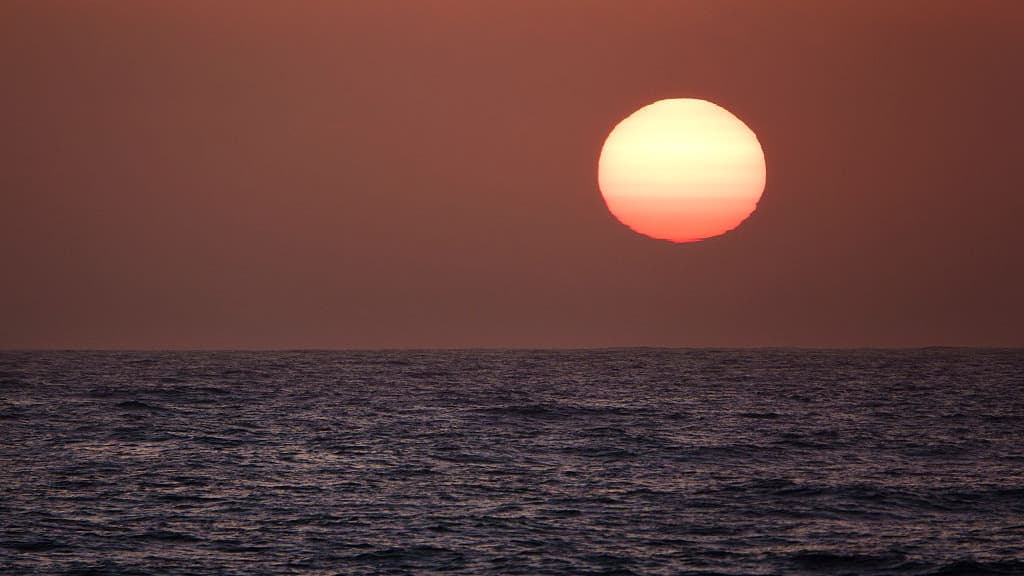
To prepare for a super El Niño, plan for wetter, stormier nio weather where you live: clear gutters, improve drainage, fix leaks, and review flood risk and insurance. Forecasters say this event could be among the strongest on record, peaking in late 2026, so early household and community readiness matters more than waiting for the first major storm.
Key Takeaways
- A strengthening super El Niño—Pacific waters more than 2°C above normal—may last into 2027 and peak this winter.
- U.S. impacts vary: wetter, cooler conditions are likely in the South; the northern U.S. often sees a warmer winter, with western snow totals still uncertain.
- Home prep is straightforward: drainage, gutters, leak repairs, and flood planning for storm-prone areas.
- El Niño offers months of warning, but other climate patterns can still blunt or shift expected outcomes.
- Experts warn that cuts to NOAA and FEMA funding could weaken U.S. early-warning capacity.
What Is a Super El Niño—and Why Does Nio Weather Matter Now?
El Niño began forming in early summer 2026 and is expected to last into 2027, reaching peak strength in the last two months of this year. Erin Coughlan de Perez, a Tufts University climate scientist, told Time it could be a record-setting event—possibly the strongest in living memory.
Colorado assistant state climatologist Peter Goble told The Colorado Sun that some measurements already show water temperatures more than 2 degrees Celsius warmer than usual—the threshold for a “super,” or very strong, El Niño. Most models predict it will rank among the strongest ever measured.
Warmer ocean water adds atmospheric moisture and shifts wind patterns, altering rainfall, temperature, and storm tracks worldwide. Because El Niño also raises global temperatures on top of climate change, 2027 could become the warmest year on record if current predictions hold.
How Will Super El Niño Affect the U.S. and the West?
Impacts are not uniform. Time reports drought conditions may hit southern Africa, Southeast Asia, and northern South America, while East Africa and the southern U.S. could see stormier weather and flooding. In the U.S., El Niño often brings a warmer-than-usual winter to the North and a wetter, cooler winter to the South.
Florida State climatologist Emily Powell noted the Southeast can expect wetter, cooler weather from late fall through early spring, with increased severe-weather and tornado risk. Columbia University researcher Andrew Kruczkiewicz cautioned that a strong El Niño does not guarantee strong impacts everywhere—patterns like the Indian Ocean Dipole and Madden-Julian Oscillation can override expectations.
For western snow season, uncertainty remains high. Goble warned Coloradans not to assume a blockbuster snow year just because El Niño is in place. Colorado tends to be wetter in a statistically significant way during El Niño, but the Northern Rockies can be drier in midwinter, and western Colorado faces roughly 50-50 odds of wetter or drier conditions.
How Can You Prepare Before Peak El Niño Hits?
Powell told Time that preparation should mirror readiness for any system that brings heavy rain and flood risk. Clear gutters, ensure good drainage around your home, and patch leaks before storms arrive.
Communities can set up cooling centers, publish flood-risk maps, and help residents obtain flood insurance. Coughlan de Perez said El Niño years should, in theory, produce fewer disasters because forecasters provide long lead times—if governments and households act on the warnings.
She also raised concerns about U.S. preparedness, citing funding pressure on NOAA, the National Weather Service, and FEMA. Reliable nio weather forecasts depend on well-staffed federal agencies, she said, especially as extreme events grow more common. For more on how climate science is reshaping planning tools, see our Future Tech & AI Wonders coverage.