How the immune system makes sun damage worse, explained
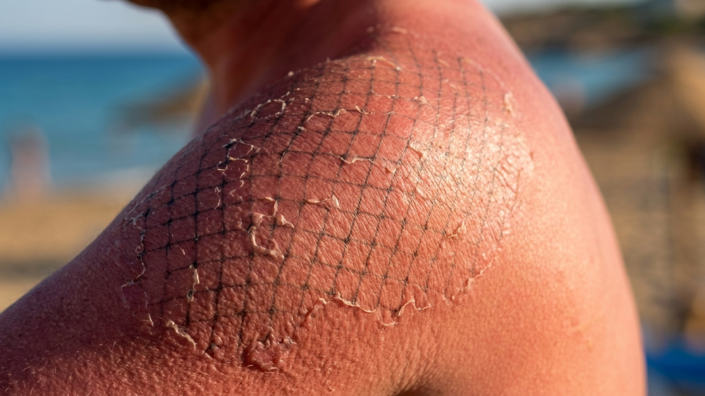
New research in Aging Cell shows how the immune system intensifies UVB sun damage: neutrophils cast sticky DNA webs called NETs that deepen skin injury and inflammation. In mice, blocking NET formation with a PAD4 inhibitor reduced visible damage, oxidative stress, and cell death.
Key Takeaways
- UVB exposure draws neutrophils into skin, where they form NETs that worsen sterile inflammation.
- Human sun-damage lesions showed more NETs than control tissue samples.
- In mice, PAD4 inhibitor GSK484 cut skin erosion, thickening, oxidative stress, and apoptosis.
- Degrading NETs with DNase I, or blocking keratinocyte receptor CCDC25, eased damage signals.
- Researchers say limiting unnecessary NET formation could curb inflammaging and photoaging.
Why does the immune response to UVB make sunburn worse?
When UVB hits the skin, the body often treats the injury like an infection. That sterile inflammation recruits neutrophils, which release inflammatory cytokines and more immune cells—sometimes with effects that reach the kidneys, according to prior work cited by Lifespan.io.
NETs form when neutrophils dismantle themselves and spill DNA and proteins meant to trap pathogens. Without microbes to catch, those webs can fuel autoimmune-style injury. Earlier mouse studies already linked NET reduction to less UVB skin damage; the new Aging Cell paper zooms in on PAD4, an enzyme required to build NETs.
What did researchers find in human tissue and mice?
Lesions from people with actinic keratosis or chronic actinic dermatitis held more NETs than control samples. In wild-type Black 6 mice exposed to UVB, animals given GSK484—a PAD4 blocker—showed far less visible skin damage and erosion than untreated UVB-exposed mice.
Protection was incomplete, but skin thickening, inflammatory biomarkers, and oxidative stress fell significantly. Apoptosis in fibroblasts and keratinocytes also dropped. RNA sequencing pointed to strong inhibition of the JNK branch of the MAPK inflammation pathway.
In lab tests, NETs generated from UVB-exposed neutrophils stalled HaCaT human skin cells at 4 mg/L, driving cytokines, oxidative stress, JNK activation, and apoptosis. Pretreating those NETs with DNase I degraded them and sharply cut the harm.
Could targeting NETs help longevity and inflammaging?
Silencing CCDC25—a keratinocyte gene that responds to NETs—left HaCaT cells nearly unreactive, with no measurable JNK surge and only slight apoptosis. In UVB-exposed mice, AAV-mediated CCDC25 blockade mirrored GSK484: less inflammation, less extra thickness, and lower oxidative-stress markers.
For readers following longevity and biohacking, the takeaway is mechanistic, not a clinic product. Preventing radiation still requires sunscreen and shade; dampening how the immune system piles on may one day limit long-term photoaging and inflammaging. Separate reporting on a fatal intravenous NAD⁺ “longevity infusion” in New York also underscores why unproven shortcuts carry real risk while careful immune research advances.