Houthis claim attack on two Saudi oil tankers in Red Sea
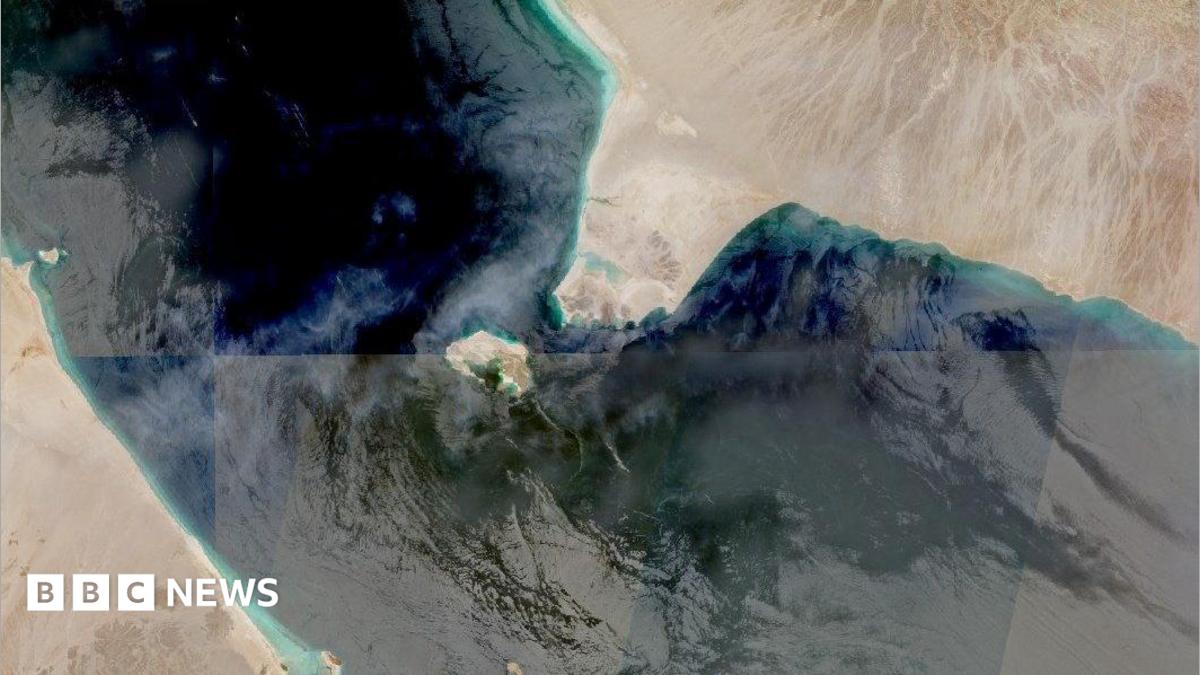
Yemen's Houthis say they struck two Saudi oil tankers, the Encelia and Layla, in the Red Sea with drones and missiles. Saudi officials confirmed a fire on the Encelia and no casualties. The claimed attack is the first since the group announced a maritime embargo on Saudi shipping.
Key Takeaways
- The Houthis claim drones and missiles hit the Saudi tankers Encelia and Layla in the Red Sea.
- Saudi state media confirmed a bow fire on the Encelia; all crew were reported safe.
- UKMTO reported an unknown projectile strike near Al Shuqaiq with a fire and no casualties.
- The claim comes amid the US military's 12th consecutive night of strikes on Iran.
- Red Sea routes matter more while the Strait of Hormuz remains largely disrupted.
According to BBC News, Houthi military spokesperson Yahya Saree said the group targeted the vessels for allegedly violating its naval blockade and vowed to keep enforcing a "siege for a siege" approach. Responsibility for both strikes has not been independently verified in full.
The Saudi Press Agency said early Thursday that the Encelia was struck while sailing in the Red Sea, causing a fire at the bow. Citing an unnamed Transport General Authority source, it called the attack a violation of international law and said every crew member was safe. The attack on the Layla has not been confirmed by Saudi officials.
What did the Houthis say happened?
The Iran-backed Houthis named the tankers as the Encelia and the Layla. Saree said they were hit with drones and missiles. The Independent reported the group claimed fires on both ships. If confirmed, it would be the first reported Houthi vessel attack since the group announced a "maritime embargo" against Saudi Arabia earlier this week.
Few details of that embargo were released when it was announced on Monday. A media official said the Houthis were closing the Bab al-Mandab Strait—the Red Sea's southern gateway—to Saudi vessels. The move was framed as retaliation linked to Saudi pressure on Yemen and a recent attack on Sanaa's airport, according to reporting cited by The Independent.
Why does a Red Sea tanker strike matter now?
The Red Sea has become a critical path for Saudi oil shipments while the wider US-Iran conflict has left the Strait of Hormuz effectively closed or tightly contested. Bab el-Mandeb is a major shipping chokepoint: The Independent notes that around 12% of world trade, including a quarter of global container traffic, moves through the narrows toward the Suez Canal.
UK Maritime Trade Operations (UKMTO) reported an "unknown projectile" struck a Saudi tanker about 130km from Al Shuqaiq in Saudi Arabia at 20:00 GMT, causing a fire but no casualties. Maritime risk firm Vanguard also reported that the Encelia had been hit. BBC said at least seven oil tankers have made U-turns near Yemen since the embargo, while Saree claimed roughly ten ships were forced to retreat.
For readers tracking how conflict reshapes logistics and energy tech routes, see BlasterPost's Future Tech & AI Wonders coverage hub.
How does this fit with US strikes and Hormuz tension?
The claimed Houthi action came as the US carried out a 12th consecutive night of strikes on Iran. US Central Command said the strikes, directed by President Donald Trump, aimed to "further degrade Iran's ability to threaten civilian mariners and commercial vessels." Targets included maritime capabilities, missile and drone storage, coastal surveillance sites, and air defenses.
Trump had warned he would "take care of" the Houthis if they blocked the Red Sea, and separately threatened to destroy an Iranian bridge or power plant if Iran attacked ships in the Strait of Hormuz. Iranian state media said two people were killed in US strikes near the Iraq border. Diplomacy remains strained after a June MoU collapsed when Trump declared the ceasefire "over."
Bottom line: the Houthis' claimed tanker strikes raise fresh risk to Red Sea shipping just as Hormuz disruption is already shaking fuel markets—and verification of the second vessel hit remains incomplete.