Four high school students sue after AI mistook Doritos for gun
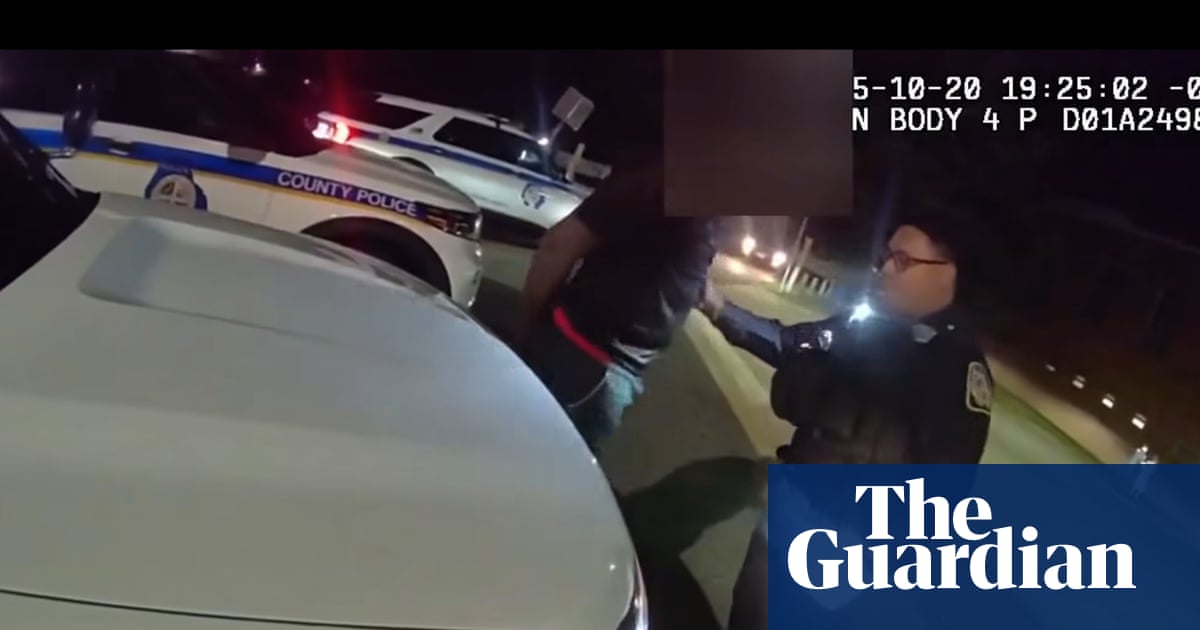
Four Black high school students at Kenwood High School in Baltimore County, Maryland, sued Omnilert, school officials, and police after an AI gun-detection system mistook a bag of Doritos for a firearm in October 2025, leading officers to handcuff and search them while they waited for rides home after football practice. Each high school student says the episode left lasting fear—and their lawsuit argues the adults meant to protect them failed at every step.
Key Takeaways
- An Omnilert Gun Detect alert flagged a Doritos bag as a firearm with about 90% confidence at Kenwood High School on 20 October 2025.
- Armed Baltimore County police ordered four teens to their knees, handcuffed them, and searched them despite no weapon being present.
- Maryland’s education inspector general found more than 99% of Omnilert alerts in Baltimore County Public Schools were false positives requiring no police response.
- The Lawyers’ Committee for Civil Rights Under Law filed suit seeking reforms so cancelled AI alerts cannot still trigger armed responses.
- Parents and advocates say overreliance on school AI, mixed with weak protocols, put children in real danger.
The case, Allen, et al. v. Omnilert, et al., was filed in the Circuit Court for Baltimore County. It names Omnilert LLC, Baltimore County Public Schools and personnel, the Baltimore County Police Department, individual officers, and the school principal. Counsel includes the Lawyers’ Committee for Civil Rights Under Law, Willkie Farr & Gallagher LLP as pro bono counsel, and Engel Law Group, P.C.
According to The Guardian’s reporting, the plaintiffs are current and former football players who say they were traumatized after being detained while waiting for rides home. Families tracking unexpected costs after school incidents—from urgent ride-hailing to longer-term support—often look to practical money guides in our Wealth Hacks & Passive Income hub alongside accountability coverage like this.
What happened after football practice that night?
On the evening of 20 October 2025, the students had just finished football practice when their coach handed out bags of Doritos. Taki Allen, then a junior, took several bags and waited with friends near picnic tables for a ride, the complaint states.
Six local police cruisers arrived with lights flashing. Many officers unholstered their weapons. The teens put their hands in the air. They were ordered to their knees, handcuffed, and searched while “in shock and feared for their lives,” the lawsuit says.
The named plaintiffs are Taki Allen, Yui-Osa Ogbeide, Devon Thompson Jr., and Keith Winfield III—all Black teenagers. Freida Winfield, Keith’s mother, was already en route to pick them up when officers detained the group just steps from the school entrance.
One officer allegedly remarked as he left: “Hey, thanks for not running away, that would have been a real problem.” Another allegedly muttered about “Stupid AI cameras,” while a colleague joked that the teens should be careful with chip bags on school property. The students did not find it funny. They reported pain from tight handcuffs and lasting emotional distress.
Why did the AI alert still bring armed police?
Omnilert’s Gun Detect system scans campus security footage for firearms. That night it flagged Allen’s chips bag as a gun with roughly 90% confidence. The lawsuit says the alert kept going even after school staff and local police reviewed the image and concluded it was a mistake.
School and police officials cancelled the alert, the Lawyers’ Committee explains, but armed officers were dispatched anyway because protocols were not strong enough to stop a cancelled false alarm from triggering a tactical response. In other words, both the technology and the human chain of command failed.
“These students were failed not only by a technology that is prone to false alerts, but also by the very adults meant to keep them safe when we send them to school,” said Damon Hewitt, president and executive director of the Lawyers’ Committee. “Instead of this protection, they were met with guns and traumatized. And it could have been even worse.”
Omnilert markets fewer false positives as a selling point. Yet Maryland’s office of the inspector general for education found that more than 99% of OGD alerts in Baltimore County Public Schools were false positives that required no police response—a statistic now central to the complaint’s negligence claims.
What are the students and lawyers asking the court to do?
The complaint alleges violations of the teenagers’ federal and state constitutional rights, negligence and gross negligence, and other claims against Omnilert, school officials, and police. Beyond damages, advocates want structural change: verify AI threat reports before guns come out, rethink whether this tech belongs in schools at all, and build policies so false alerts cannot summon an armed response.
Leah Frazier, director of the Digital Justice Initiative at the Lawyers’ Committee, said unregulated AI has “profound consequences, especially when involving young people,” and that clear guardrails for the adults who act on alerts are essential. “This should have never been escalated to the police. It simply should not have happened, and we filed this lawsuit to prevent this from ever happening again.”
The lawsuit also cites texts from the school principal that allegedly made light of the incident with laughing-crying emojis sent to fellow administrators. The complaint says she did not apologize to the students—an alleged failure of leadership that deepened the harm.
Omnilert, the principal, Baltimore police, and the board of education did not immediately respond to The Guardian’s request for comment. An Omnilert spokesperson previously told the Baltimore Banner the company was reviewing the lawsuit and was “truly sorry for the fear they and their families experienced.” A Baltimore County spokesperson told the New York Times the district cannot comment on pending litigation.
Why does one high school student’s snack bag matter nationwide?
Allen says he no longer feels safe waiting for rides or hanging out at school after hours. He often pays for rides home so he does not have to wait for friends or family—a quiet, ongoing cost of a night that should have been chips and a lift home.
“No child in Baltimore County should face this kind of danger while waiting outside his own school for a ride home from his mother,” Freida Winfield said. Hewitt framed the stakes more broadly: overreliance on AI mixed with poor coordination is a “toxic mix,” and educators and police nationwide should “think twice before putting our children’s fate in the hands of AI.”
The Lawyers’ Committee notes that AI errors in public-safety settings can disproportionately harm Black communities and other people of color—especially when alerts feed into criminal-justice responses. This Doritos case is not a quirky tech mishap; it is a warning about deploying high-stakes automation around kids without verification, transparency, or community oversight.
For readers following how families absorb surprise expenses after institutional failures, our Wealth Hacks & Passive Income category collects practical financial context. The legal fight ahead will test whether schools and vendors can be held accountable when a snack bag looks like a gun to a machine—and adults still send the guns.