Hannah Dugan faces sentencing after obstruction conviction
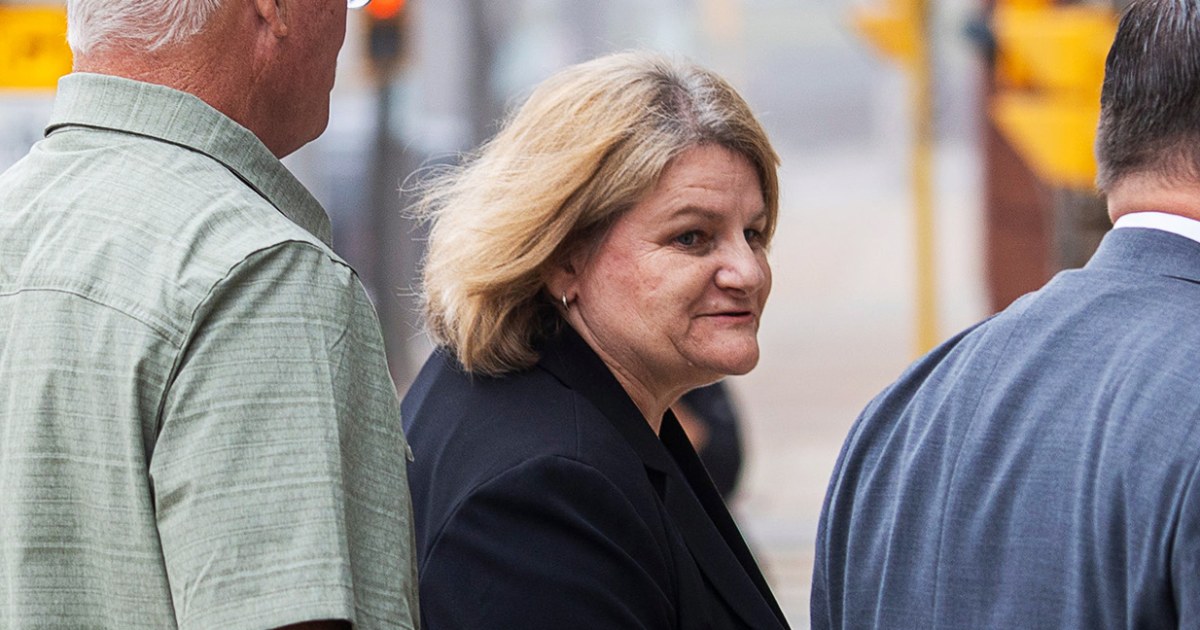
Former Milwaukee County Circuit Judge Hannah Dugan is scheduled to be sentenced July 8 after a jury convicted her of felony obstruction tied to an attempted courthouse immigration arrest. The hannah dugan obstruction conviction matters because prosecutors say it undermined trust in the justice system, while her lawyers argue she’s already paid a steep professional and personal price.
Key Takeaways
- Dugan, 67, was convicted of felony obstruction and faces up to five years in prison.
- Federal sentencing guidelines cited in court filings point to 15–21 months; the judge is not bound by them.
- The case stems from an April 18, 2025 incident involving Eduardo Flores-Ruiz at the Milwaukee County courthouse.
- Prosecutors urged a “serious” sentence; defense asked for “time served.”
What happened in the courthouse encounter?
According to NBC News, federal immigration officers went to the Milwaukee County courthouse on April 18, 2025 after learning 31-year-old Eduardo Flores-Ruiz had reentered the U.S. illegally and was due to appear before Dugan in a state battery case.
NBC News reports that Dugan confronted the agents outside her courtroom and directed them to the chief judge’s office, saying their administrative warrant was not sufficient grounds to arrest Flores-Ruiz. After the agents left, NBC says she led Flores-Ruiz and his attorney out through a private jury door.
Agents later spotted Flores-Ruiz in the corridor, followed him outside and arrested him after a foot chase, NBC News reported. NBC also reported that FBI agents arrested Dugan at the courthouse about a week later.
What sentence are prosecutors and defense asking for?
Dugan was convicted by a jury on Dec. 19 of felony obstruction (described as impeding or obstructing an official proceeding) and was found not guilty of a misdemeanor concealment charge, according to NBC News and WPR. The felony conviction carries a maximum penalty of five years in prison, WPR reported.
In sentencing memos referenced by NBC News and WPR, prosecutors pointed to federal guidelines calling for 15 to 21 months and said that range would be “reasonable,” while also noting an average sentence of about 16 months for similar obstruction cases. Dugan’s attorneys asked for “time served,” arguing she has already been punished through her arrest, resignation, and threats tied to the high-profile case, WPR reported.
Dugan is scheduled to be sentenced in federal court by U.S. District Judge Lynn Adelman, NBC News reported. WPR reported she is expected to speak at the hearing—her first time addressing the court directly in the case—after she did not testify at trial.
Why does this case matter beyond Wisconsin?
NBC News described the case as a flashpoint amid heightened tensions over immigration enforcement at courthouses. Prosecutors argued a serious sentence is needed because Dugan’s actions undermined trust in the judicial system, WPR reported.
For readers tracking institutional and compliance risk—including in the financial sector—cases that hinge on rule-of-law norms can influence how businesses assess operational stability, enforcement priorities, and reputational exposure. For more in this lane, see BlasterPost’s Fintech & Crypto Alerts section.
What happens next after sentencing?
NBC News reported that Dugan resigned from her position as a Milwaukee County circuit judge about two weeks after her conviction amid threats of impeachment from Republican state lawmakers. Dugan’s attorneys have argued she was immune from prosecution as a judge, but NBC News reported Judge Adelman has rejected efforts to vacate her conviction.
As the sentencing unfolds, the central question is whether Adelman follows the guidelines range, imposes a lesser penalty such as time served, or takes another approach within the statutory maximum. For the latest verified reporting, see NBC News and Wisconsin Public Radio.