Why was Josko Gvardiol's World Cup goal ruled out for offside?
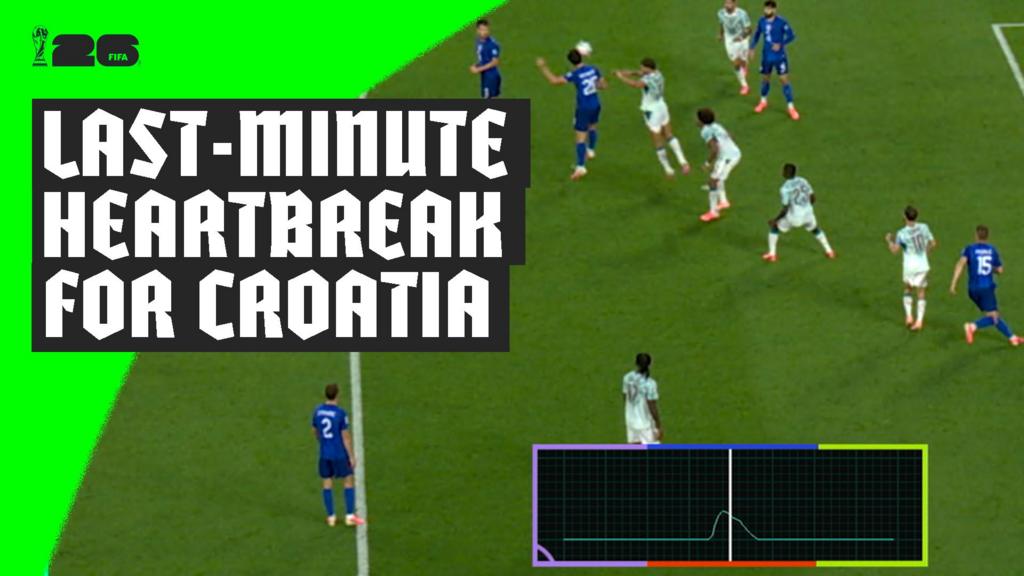
DIRECT ANSWER: Josko Gvardiol thought he had rescued Croatia with a stoppage-time equaliser against Portugal at the 2026 World Cup, but VAR ruled the strike out for offside. Officials determined Mario Pasalic was offside when the ball was last played by a teammate before assisting Gvardiol, denying Croatia a 103rd-minute equaliser and confirming Portugal's 2-1 Round of 32 win in Toronto.
Portugal and Croatia delivered one of the most chaotic finishes of the tournament so far. For minutes, it looked as if the Vatreni had pulled off another late rescue — the kind of moment their fans have learned to expect on the biggest stage. Instead, video review and ball-tracking technology turned celebration into heartbreak, and the fallout spilled from the pitch to the stands.
Key Takeaways
- Josko Gvardiol's apparent stoppage-time equaliser for Croatia was disallowed after a VAR offside review.
- Replay analysis showed Igor Matanovic's faint touch reset the phase of play, leaving Mario Pasalic offside before he assisted Gvardiol.
- Portugal held on to win 2-1 and advanced to face Spain in the last 16 on July 6.
- Croatia supporters threw bottles onto the pitch in protest, delaying the restart after the decision.
- The incident highlights how connected-ball technology is now deciding knockout ties that once hinged on split-second human judgment.
What happened in Portugal vs Croatia's frantic finish?
Portugal went into the closing stages leading Croatia 2-1 in their Round of 32 tie in Toronto. Croatia pushed deep into stoppage time searching for an equaliser that would have forced extra time.
As the clock ticked past the 100-minute mark, Ivan Perisic whipped a cross in from the left. The ball bounced around the six-yard box before Mario Pasalic got to it and knocked it into the path of Josko Gvardiol, who slid in to score what appeared to be a dramatic leveller.
Croatia's players and bench erupted. For a brief moment, it looked as if the Vatreni had rescued themselves right at the end — just as they have done so many times before on the World Cup stage. But the referee was soon called to the monitor, and the goal was chalked off.
According to BBC Sport, Gvardiol's stoppage-time strike was ruled out for offside after a VAR review, denying Croatia an equaliser in their World Cup knockout match.
Why was Gvardiol's goal ruled out for offside?
On first viewing, many assumed Pasalic had chested the ball off a deflection from Portugal defender Renato Veiga — a touch that would typically reset the offside phase and keep Pasalic onside. VAR told a different story.
FOX Sports rules analyst Mark Clattenburg explained the sequence during the broadcast: as the ball entered the penalty area, Croatia's Igor Matanovic jumped for it. If Matanovic touched the ball, Pasalic would be offside. If he did not, Pasalic would remain onside.
After review, replays showed Matanovic got a slight flick on the ball before it reached Veiga. At the moment Matanovic made contact, Pasalic was in an offside position. Because Veiga's subsequent touch was not considered deliberate, the offside stood and Gvardiol's finish was disallowed.
The decision rested heavily on ball-tracking technology capable of detecting touches barely visible to the naked eye — a far cry from the linesman's raised flag that decided offside calls for decades.
How did fans and players react to the VAR decision?
The overturned goal triggered immediate fury in Toronto. TNT Sports reported huge VAR drama as Croatia's 103rd-minute equaliser was ruled out, with bottles thrown onto the pitch in the chaotic aftermath.
Croatia's players could hardly believe the reversal. Gvardiol, who had looked set to be the hero, was left staring at the referee instead. The delay while the monitor review played out only sharpened the tension, and the restart was held up further once objects landed on the field.
For Portugal, relief replaced panic. A tie that had been slipping toward extra time was suddenly settled in their favour, though the manner of the ending guarantees debate long after the final whistle.
How does this VAR call compare to World Cup drama of the past?
World Cup knockout football has always produced last-gasp twists, but the tools used to settle them have changed radically. Where previous generations argued over whether a striker was half a yard beyond the last defender, this decision hinged on a flick detected by sensors inside the match ball — technology that would have been unthinkable in the pre-VAR era.
That shift is exactly what our Nostalgia: Then & Now coverage tracks: the same emotional stakes, but a very different refereeing toolkit. A marginal offside that might have stood — or never been spotted — in earlier tournaments now gets dissected frame by frame and confirmed by data from the ball itself.
Croatia's heartbreak also echoes a familiar World Cup pattern: a nation built on resilience denied at the death by fine margins. The difference in 2026 is that those margins are no longer purely human. Whether that feels like progress or cruelty depends on which shirt you are wearing, but the Gvardiol incident will sit alongside other famous VAR reversals as a defining image of this tournament.
What is next for Portugal after the Croatia win?
Portugal survived the scare and advanced to the last 16. According to FOX Sports, they will face reigning European champions Spain on Monday, July 6, at Dallas Stadium — a heavyweight tie built on the foundations of a single-goal escape in Toronto.
For Croatia, the 2026 campaign ends in controversy rather than another deep run. The disallowed Gvardiol goal will dominate the post-match narrative, but it does not erase how close they came to extending their World Cup story one more time.
The broader lesson for fans watching the rest of the knockout stage is clear: in 2026, the last touch before a goal matters — even when nobody in the stadium can see it.