Guo Wengui sentenced to 30 years in US prison for fraud
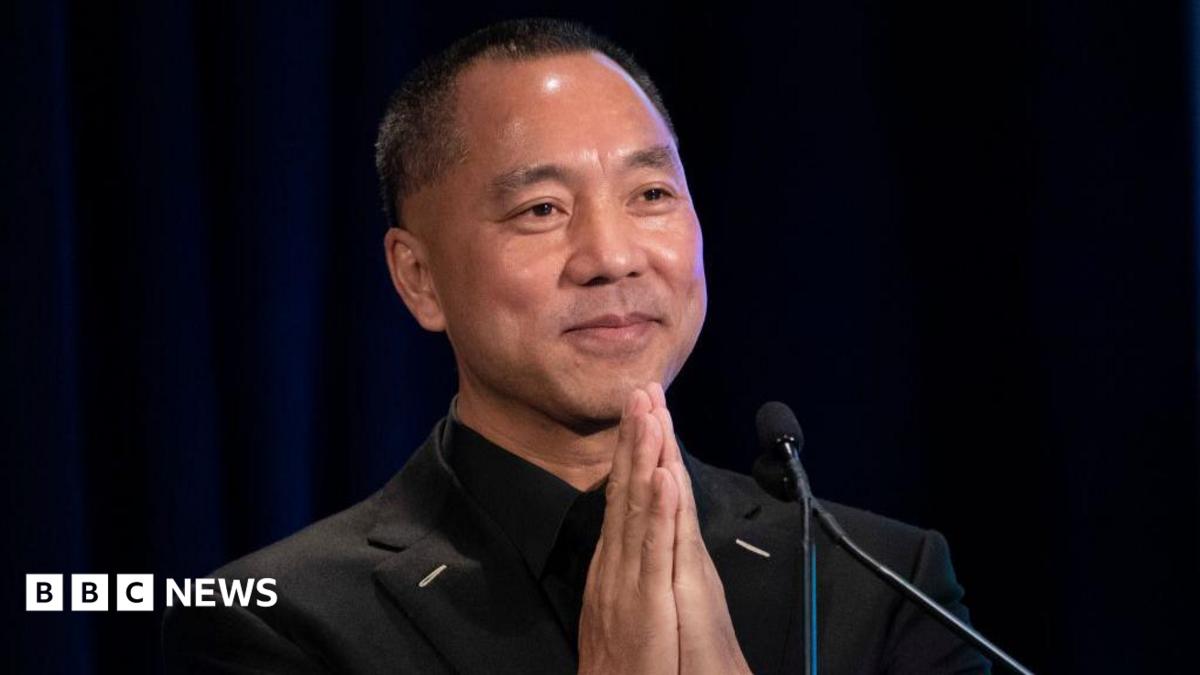
Guo Wengui, the self-exiled Chinese tycoon who reinvented himself as a Communist Party critic in the United States, was sentenced to 30 years in federal prison on Monday for running a billion-dollar fraud scheme. Judge Analisa Torres also ordered Guo Wengui to pay $889 million in restitution after prosecutors said he preyed on supporters seeking democracy in China.
Key Takeaways
- Guo Wengui received 30 years in a Manhattan courtroom packed with supporters, matching what prosecutors had requested.
- A jury convicted him in 2024 on nine of 12 charges, including racketeering, securities fraud, wire fraud, and money laundering.
- Prosecutors said he raised more than $1 billion from online followers between 2018 and 2023 through bogus investment and cryptocurrency deals.
- Judge Torres said the fraud cost more than 1,000 people worldwide hundreds of millions of dollars.
- Funds allegedly paid for a 50,000-square-foot mansion, a $1 million Lamborghini, and a $37 million yacht.
Who Is Guo Wengui?
Guo Wengui was once believed to be among China's richest businessmen, having built his fortune in real estate. He fled China for the United States in 2017 and sought asylum after being accused of corruption by top Chinese officials, according to the BBC.
Known also as Miles Guo and Ho Wan Kwok, he cultivated a loyal online following by portraying himself as a fierce critic of Beijing. He maintained ties with conservative strategist Steve Bannon and lived in a luxury Manhattan apartment overlooking Central Park before his arrest in March 2023.
What Was Guo Wengui Convicted Of?
Prosecutors said Guo Wengui convinced hundreds of thousands of people to invest more than $1 billion in entities he controlled, including GTV Media Group Inc., the Himalaya Farm Alliance, and the Himalaya Exchange. The schemes ran from 2018 to 2023, a seven-week trial later showed.
Judge Torres told the court that Guo had "preyed on those seeking to bring democracy to China," using their money to fund his lavish lifestyle. Guo denied the allegations, insisting the funds supported his political activism rather than personal enrichment.
Prosecutors said the sentence showed that "fame and wealth do not place you above the law." They described the fraud as "astonishing," saying it "destroyed hundreds of lives" and left families devastated financially and emotionally.
Why Does This Sentence Matter for Wealth and Power?
The case underscores how a fallen tycoon's net worth narrative can collapse when investor money fuels political branding instead of legitimate business. For readers tracking Net Worth & Wealth stories, Guo's arc—from property magnate to online dissident to convicted fraudster—shows how quickly perceived fortune can unravel under scrutiny.
With $889 million in restitution ordered and a three-decade prison term, the ruling closes a chapter that linked Chinese exile politics, U.S. media ventures, and one of the largest supporter-funded frauds in recent American court history.