Glp1 receptor agonist side-effects: what evidence shows
A new BMJ observational study links glp1 receptor agonist use in type 2 diabetes to a higher—but still small—risk of hair loss, while so-called “Ozempic face” is tied to rapid weight loss rather than a drug-specific effect. Digestive side-effects are well documented; rarer risks need careful reading of the evidence.
Key Takeaways
- A BMJ study of about 50,000 adults with type 2 diabetes found higher alopecia risk on GLP-1 drugs versus other diabetes medicines, but absolute rates stayed low.
- “Ozempic face” reflects rapid facial fat loss and can follow any major weight-loss method, not only jabs.
- Nausea, vomiting and related gut effects are well established in trials and listed as very common.
- Linked hair thinning is often non-scarring alopecia and may reverse once weight loss stabilises.
What did the latest hair-loss study find?
Researchers reporting in the BMJ compared just over 50,000 people with type 2 diabetes on GLP-1 medicines with patients using SGLT-2 or DPP-4 inhibitors. GLP-1 use was linked to a 37% higher risk of alopecia versus SGLT-2 inhibitors and a 68% higher risk versus DPP-4 inhibitors.
Actual rates remained low—roughly three to nine cases per 1,000 people per year. The authors said the absolute risk was small but still useful for informed, patient-centred decisions. More coverage of the findings appears in Global News and in The Guardian’s evidence review.
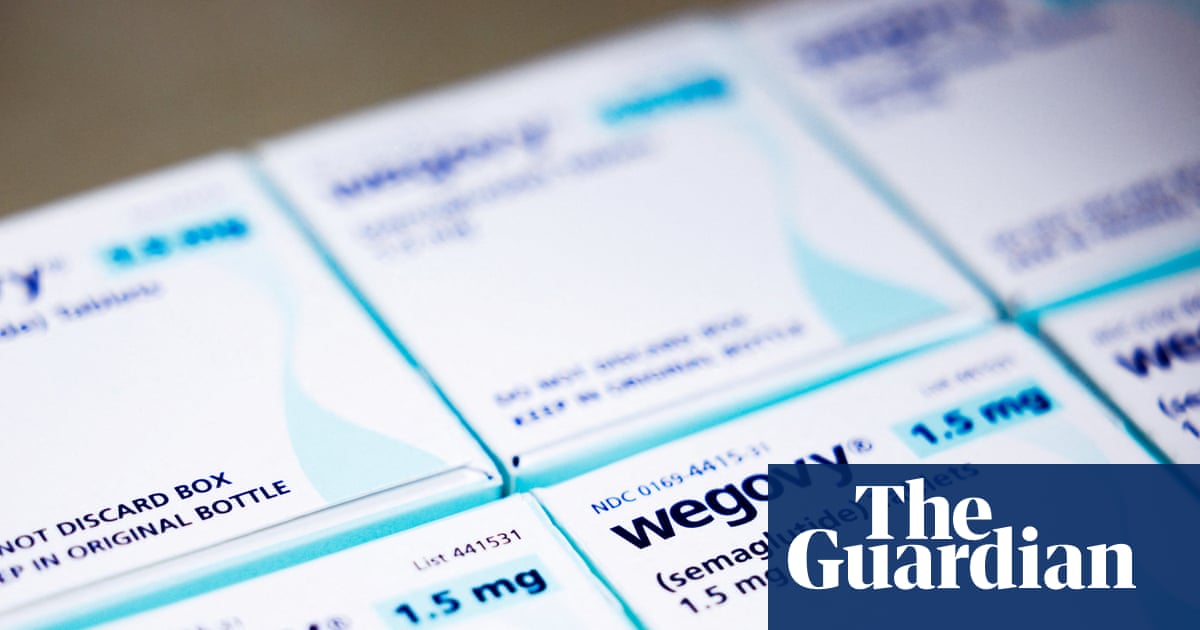
Patient leaflets for Mounjaro and Wegovy already list hair loss as a common side-effect. The US Food and Drug Administration has previously noted hair-loss reports after semaglutide and tirzepatide and has said it is evaluating the signal.
Is “Ozempic face” a drug-specific side-effect?
Social media is full of reports of sunken eyes, wrinkles and sagging skin after GLP-1 treatment. Surgeons recognise those changes as a result of rapid weight loss, not a unique chemical effect of one brand.
The same look can follow other routes to significant weight reduction. For related science explainers, see our Future Tech & AI Wonders hub.
Are other side-effects proven or still uncertain?
Gut problems—nausea, vomiting, diarrhoea and constipation—are well documented in clinical trials. Experts link them to slowed stomach emptying and gut-to-brain signalling. Manufacturers say they are very common but usually ease over time.
Eye risks have also been flagged. Last year, a study found people with diabetes on these drugs could face double the risk of age-related macular degeneration. Matched cohort and adverse-event data have also raised non-arteritic anterior ischaemic optic neuropathy, a rare condition that can cause sudden, permanent sight loss. It appears in some leaflets, including Wegovy’s.
Unexpected pregnancies have been reported, and women are urged to use effective contraception. The UK MHRA says GLP-1 medicines should not be taken in pregnancy or just before trying to conceive because safety data for the baby are lacking. So-called “Ozempic foot”—bony-looking feet and pain—is not listed in leaflets but may reflect soft-tissue loss after rapid weight loss by any means.
Why might hair thin on these medicines?
Mechanisms are still debated. One leading view is that rapid weight loss, metabolic stress and nutritional shortfalls—not direct follicle toxicity—drive shedding. Dermatologists note temporary telogen effluvium can start about three months after fast loss and often lasts around six months before regrowth as weight stabilises.
Gastrointestinal symptoms that cut food intake may add nutritional deficiencies. Earlier studies also found higher hair-loss rates with semaglutide and tirzepatide, and some analyses suggest weight loss alone may not explain every case. The latest BMJ work pointed mainly to non-scarring alopecia forms that are often reversible.