Fourth firefighter dies as western fire looms near Oregon town
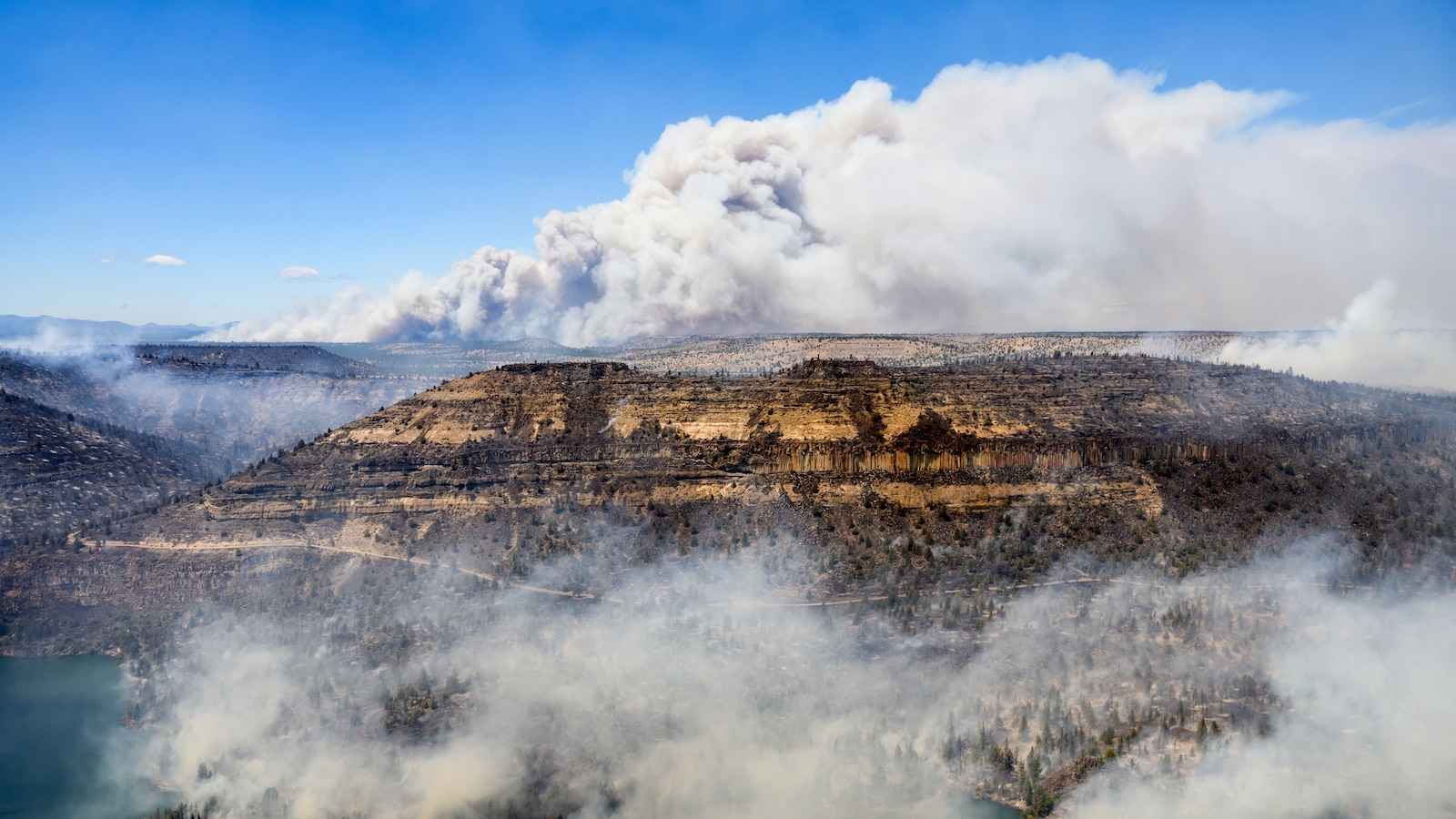
A fourth firefighter has died from burn injuries weeks after a western Colorado wildfire near the Utah border overran his Helitack crew on June 27, as dry winds also fuel a large lightning-caused blaze a few miles north of Sisters, Oregon. Nathan Matthews, 43, of Lincoln, Nebraska, died Friday, federal officials said.
Key Takeaways
- Nathan Matthews, 43, became the fourth firefighter to die after a June 27 burnover on a wildfire near the Colorado-Utah border.
- Emily Barker, 38; Nick Hutcherson, 27; and Sydney Watson, 26, died at the scene; Matthews later died from his injuries.
- A lightning-caused fire a few miles north of Sisters, Oregon, had burned about 40 square miles and was 5% contained as of Saturday.
- Winds gusting up to 30 mph were the near-term concern for Sisters, though officials said the city of about 3,000 was not in immediate danger.
- Dry weather, sparse snowpack, heat, and erratic winds have fueled blazes across the western U.S. this summer.
What happened to the four firefighters near the Colorado-Utah border?
According to the U.S. Department of the Interior, Matthews died Friday from injuries sustained while fighting the blaze. He was part of a Helitack crew—firefighters dropped by helicopter into remote terrain to attack new, fast-growing fires—deployed in Mesa County, Colorado, west of Grand Junction.
On June 27, five firefighters were caught in a burnover, when flames spread rapidly and cut off escape routes. They deployed tentlike emergency shelters as the fire closed in. Three died at the scene: Emily Barker, 38; Nick Hutcherson, 27; and Sydney Watson, 26.
CBS News reported the crew was engaged in initial attack on the Knowles Fire near Knowles Canyon. That fire was later overtaken by the Snyder Fire, which started in Utah and spread into Colorado. Officials said the Snyder Fire has burned more than 28,000 acres along the Colorado-Utah border.
Matthews and another firefighter were taken for medical treatment. The Interior Department declined Saturday to discuss their care, Matthews' career, or the surviving firefighter's condition. The fifth firefighter's name has not been released.
U.S. Wildland Fire Service Chief Brian Fennessy called the death "another heartbreaking loss for our wildland fire family," citing fast-moving flames and gusty winds that created unpredictable conditions. Barker, Hutcherson, and Watson were honored at a memorial earlier this month; arrangements for Matthews had not yet been announced.
How close is the Oregon fire to the town of Sisters?
While mourning continued after the Colorado tragedy, attention also turned to central Oregon. Associated Press reporting carried by ABC News said one of the summer's worst western fires—and a top firefighting priority—was burning just a few miles north of Sisters.
As of Saturday, the lightning-caused fire had burned about 40 square miles (105 square kilometers) and was only 5% contained. Winds gusting up to 30 mph (50 kph) threatened to push flames into new areas. Firefighters had made progress keeping the blaze in check, and officials were optimistic Sisters would be clearer once the worst wind eased Sunday.
About 30 people evacuated from areas north of town were sheltering at the local high school, with roughly as many more staying in recreational vehicles parked outside, Sisters Mayor Jennifer Letz said. The city itself was not in immediate danger, and businesses were operating as usual.
"It's going to take a while to put it out entirely. But as long as it stops moving, I think that'll get people to relax a little bit," Letz said. She added that residents were not necessarily being asked to visit Sisters, but that it was safe there.
For readers watching how western communities absorb disruption while daily life continues, related coverage sits in our Wealth Hacks & Passive Income hub.
Why are western wildfires spreading so aggressively this summer?
Months of dry weather, a record lack of snow in some areas, hot spells, and erratic winds have fed fires in Oregon, Washington, California, Colorado, and elsewhere, the Associated Press reported. The same pattern is straining resources across the broader region.
In Canada, 926 fires were burning Saturday, including 82 deemed out of control, according to the Canadian Wildland Fire Information System. About 300 aircraft and 5,300 people were involved in the fight, including 133 fires in northwestern Ontario alone. The largest Ontario blaze had covered some 1,200 square miles (3,200 square kilometers).
Against that backdrop, the Oregon fire near Sisters and the fatal Colorado-Utah border burnover underscore how quickly western landscapes can shift from containment work to life-threatening conditions—especially when wind and drought collide.
What are officials saying about the outlook now?
In Oregon, the immediate goal was stopping forward spread until Sunday's wind eased, not full extinguishment overnight. Mayor Letz's message was measured: the fire would take time to put out, but a halt in movement would ease public anxiety, and Sisters itself remained open for ordinary business.
In Colorado, federal wildland fire leaders focused on grief and support. Fennessy said the service mourns Matthews while still grieving Barker, Hutcherson, and Watson, and remains committed to supporting those affected and honoring all four who died in service.
Memorial plans for Matthews had not been announced as of the Interior Department's Saturday statement. The surviving firefighter's condition also remained undisclosed.
Together, the Sisters blaze and the Knowles/Snyder tragedy frame a stark western fire season: communities bracing under wind-driven flames, and crews still paying the highest price weeks after a single overrun.