FIFA explain why Germany’s extra-time goal vs Paraguay was disallowed
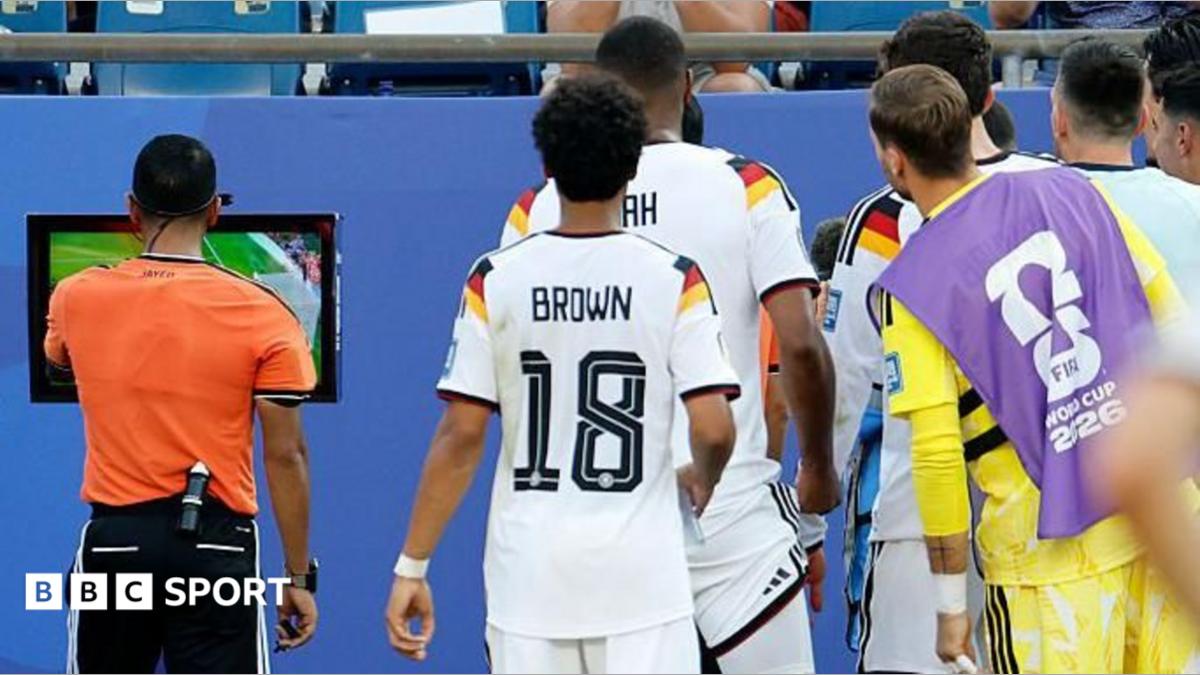
FIFA say the “fifa disallowed goal germany” call came down to a foul: after a VAR review, referee Jalal Jayed ruled Germany’s Waldemar Anton illegally obstructed (and fouled) Paraguay goalkeeper Orlando Gill before Jonathan Tah’s extra-time header went in. FIFA’s Pierluigi Collina says teams were warned this kind of goalkeeper-blocking would be punished.
Key Takeaways
- Why it was ruled out: VAR review led to a foul being given on Paraguay keeper Orlando Gill, so Tah’s goal didn’t stand.
- FIFA’s explanation: Collina says officials were briefed to clamp down on attackers who deliberately obstruct opponents, especially goalkeepers.
- Why it mattered: The match finished 1-1, and Paraguay won 4-3 on penalties to eliminate four-time winners Germany.
- Fallout: Julian Nagelsmann called the decision “a joke,” while Jürgen Klopp slammed the call and made an Arsenal set-piece comparison.
What happened with the disallowed Germany goal in extra time?
Germany thought they had a 2-1 winner late in extra time when defender Jonathan Tah scored. But the goal was wiped out after the video assistant referee intervened and referee Jalal Jayed disallowed it.
The reason given was a foul in the build-up: Waldemar Anton was adjudged to have fouled Paraguay goalkeeper Orlando Gill. The decision sparked immediate backlash, because it arrived at the biggest moment of the match.
Why did FIFA say VAR was right to chalk it off?
FIFA’s referees committee chairman Pierluigi Collina said the incident fit a pre-tournament instruction: officials would punish situations where an attacking player is not trying to play the ball and instead deliberately moves to obstruct an opponent’s movement.
Collina stressed that simply holding a position is not automatically a foul. But if the attacker’s intent is to block and prevent defending—“especially” when it stops a goalkeeper from defending the goal—referees (and VAR when needed) should analyse and intervene.
Crucially, Collina said coaches and players were informed ahead of the World Cup, so it “should come as no surprise” when such fouls are penalised.
Why does this “fifa disallowed goal germany” moment matter so much?
Because Germany didn’t just lose a goal—they lost a lifeline. The last-32 tie ended 1-1 after extra time, and Paraguay went on to win 4-3 on penalties.
It also turned a single officiating decision into the defining snapshot of Germany’s exit: four-time winners knocked out, with the would-be winner erased and the match forced into a shootout.
What did Nagelsmann and Klopp say after the controversy?
Germany head coach Julian Nagelsmann was furious. After the defeat, he said: “In my opinion, this foul was not a real foul; it was actually a joke that his goal was disallowed.” In a separate BBC clip, he added that Germany “did not give enough” in the shootout loss.
On ESPN, Jürgen Klopp also slammed the decision as “brutal” while working as a pundit on Magenta TV. He even aimed a dig at Arsenal, saying that if the goal is illegal, then Arsenal “won’t be English champion,” adding they “scored 60% of their goals that way.”
For FIFA, though, the broader message was about enforcement: VAR isn’t just replay tech—it’s a tool to apply a stricter interpretation, particularly on set-piece contact around goalkeepers. That tension between “contact sport” instincts and review-led enforcement is now a major storyline to watch.
Read FIFA’s full explanation via the BBC report here. For more on how technology-driven officiating narratives keep reshaping sport culture, see BlasterPost’s Future Tech & AI Wonders hub.