Faslane to get £15bn upgrade to boost submarine readiness
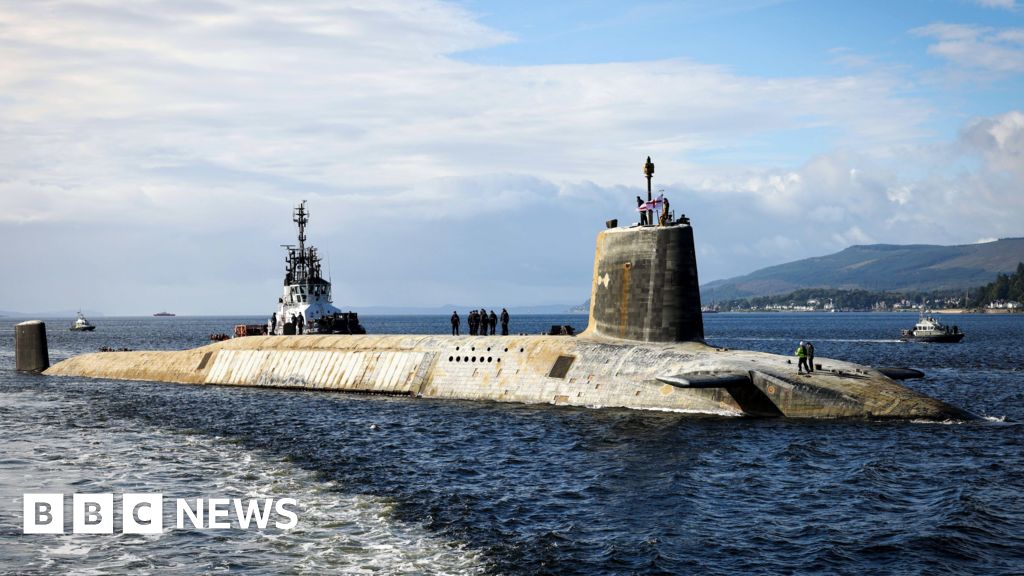
A £15bn modernisation of Faslane (HMNB Clyde) is set to upgrade the UK base that supports the nation’s nuclear submarine fleet, with work planned over the next decade. The government says the revamp is designed to raise warfighting readiness by improving readiness, availability and lethality for Royal Navy submarines—and it should also create thousands of jobs in west Scotland.
The headlines are about money and bases, but the point is operational: the UK government is investing to make the Royal Navy’s submarine effort faster to prepare and harder to disrupt. Faslane’s upgrade is the biggest slice of a wider £26bn programme to modernise the country’s main naval docking and waterfront infrastructure.
What happened at Faslane?
BBC reports that Faslane is set for a £15bn upgrade, with the work focused on modernising the naval base on the River Clyde. The base is home to the UK’s nuclear submarine fleet, and BBC notes that the Vanguard-class missile submarines are based at Faslane.
According to the same BBC report, the revamp is planned over the next decade as part of the government’s Project Royal Oak. The government also said the modernisation would support thousands of jobs in the west of Scotland.
How does a submarine base upgrade increase “warfighting readiness”?
The Faslane upgrade is explicitly framed as an operational readiness push. Under the defence investment plan, the three UK bases involved are receiving infrastructure improvements designed to increase warfighting readiness.
In practice, the BBC report highlights three areas the government is funding: new training facilities, out-of-water engineering infrastructure, and research and development. The government’s stated aim is to increase the Royal Navy’s readiness, availability and lethality.
That matters for submarines because readiness is not just about having platforms—it is also about whether the supporting facilities can sustain upgrades, maintenance workflows, and the broader capability development that keeps a submarine force effective.
What other UK naval bases are in the £26bn overhaul?
Faslane is part of a wider, coordinated spending package. GOV.UK says the Ministry of Defence is investing £26bn over ten years to modernise HMNB Clyde, HMNB Devonport, and HMNB Portsmouth under the naval bases overhaul programme linked to Project Royal Oak.
BBC adds that, alongside the £15bn at Faslane, a further £11bn is being spent modernising naval bases at Portsmouth and Devonport. The point is consistent across the locations: upgrade the infrastructure so the Royal Navy can be better prepared to operate.
BBC’s Devonport piece zooms in on a £7.1bn upgrade for HMNB Devonport. It describes Devonport as the place where the refitting and refuelling of the Royal Navy’s submarine fleet takes place, and says the investment is spread over the next 10 years and expected to support thousands of jobs at Devonport, Portsmouth and Clyde.
Operationally, BBC says the Devonport programme includes upgrades to 15 Dock, modernisation of 10 Dock, and work on 14 Dock so submarine defuelling can recommence, plus wider renewal and maintenance across the site. The plan also includes measures such as waterfront infrastructure modernisation and new accommodation.
Why does this matter for the UK economy and jobs?
This investment is being sold as a capability upgrade, but the sources also repeatedly connect it to employment. BBC says the Faslane modernisation is expected to support thousands of jobs in the west of Scotland.
GOV.UK’s announcement frames the wider programme similarly: it says the £26bn upgrade is intended to transform bases into warfighting-ready facilities that directly improve Royal Navy readiness, availability and lethality. It also mentions that upgrades will modernise waterfront infrastructure and include new Single Living Accommodation for Armed Forces personnel.
From a “wealth hacks” perspective, the practical takeaway is that major public capability programmes tend to concentrate spending in specific regions and supply chains—meaning local businesses and workers may see steadier demand when docking, training, engineering and waterfront infrastructure are being modernised at scale. For readers tracking opportunities through credible, real-world spend, it can be useful to follow how large programmes are allocated (and which bases benefit), rather than chasing hype.
If you want more on turning real-world trends into smarter planning, browse Wealth Hacks & Passive Income for articles on building long-term resilience.
To see the official framing behind Project Royal Oak and the £26bn naval bases investment, GOV.UK’s announcement is here: Record £26 billion investment to transform UK naval bases’ docking facilities and waterfront infrastructure.
Bottom line: Faslane’s £15bn upgrade is a targeted attempt to make submarine-related readiness more durable—by upgrading the training, engineering, and research support that sit alongside the platforms themselves—while feeding jobs and activity through the UK’s main naval base network.