Europe's fires reveal heat, arson and land mismanagement
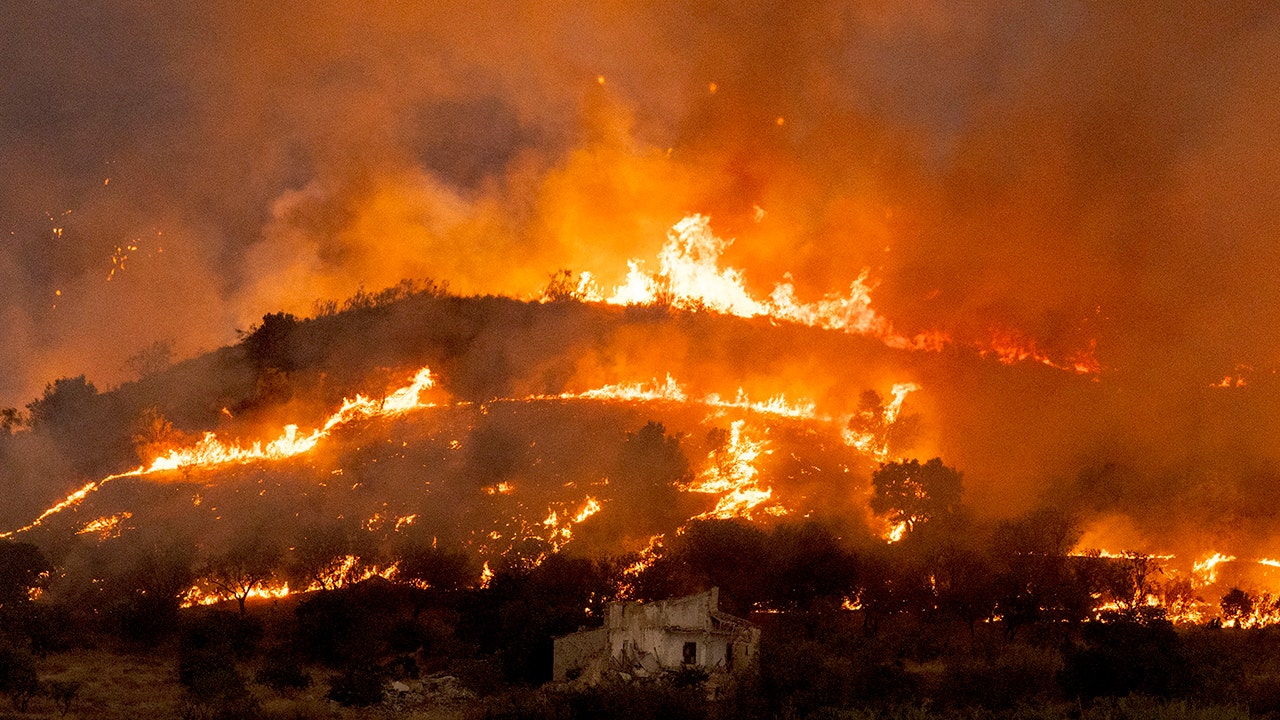
Europe's deadly wildfire season is not heat alone. Record temperatures, human negligence, suspected arson, and poorly managed scrubland have combined to torch France, Spain, and Portugal, kill at least 13 people in Andalusia, and force firefighters into triage as hundreds of blazes burn at once. That mix—not climate in isolation—explains why the crisis keeps spreading even as some heatwaves ease.
Key Takeaways
- France, Spain, and Portugal have seen record early-season wildfires, with Spain's Andalusia blaze killing at least 13 people.
- French data say nine in 10 wildfires are human-caused; Fontainebleau's blaze is treated as suspected arson.
- Uncleared scrub, abandoned farmland, and wet springs that grew extra fuel turned heat into tinderbox conditions.
- Crews in France have fought 250–300 fires at once, forcing triage when resources cannot cover every front.
- Drought, crop stress, and Rhine shipping delays show economic hits that outlast the flames.
Since early July, massive fires have swept southern and western Europe. Spain and France rank among the hardest hit, with flames destroying forests, homes, and farmland while record heat pushed death tolls into the thousands across the continent, according to reporting drawn from national agencies and public-health tallies.
The story matters beyond the burn scars. Households, farms, and supply chains face higher costs when heat, drought, and fire disrupt harvests and river freight—pressure that readers tracking wealth hacks and passive income often feel as rising living and transport expenses.
What is driving Europe's wildfire crisis right now?
Heat set the stage. Successive early-summer heatwaves dried vegetation across large parts of the continent. France's Interior Ministry said about 32,000 hectares had already burned this year—more than during the entire 2025 fire season. France, Portugal, and Spain each logged a record-breaking number of wildfires for this point in the year, The Guardian reported.
People lit many of the sparks. France's Ministry of Agriculture data show nine out of 10 wildfires are caused by humans—campfires, unextinguished cigarettes, and similar negligence. Extreme heat then turned scrub grassland into fuel that ignited fast.
Arson is in the mix too. Near Paris, the Fontainebleau Forest blaze destroyed about 2,000 hectares (roughly 4,942 acres), forced around 1,000 evacuations, and drew some 850 firefighters. Police believe the fire was arson. Interior Minister Laurent Nuñez said experts found ten ignition points within a little more than half a mile, a pattern he said suggested a voluntary origin. A volunteer firefighter was placed under formal investigation in connection with that blaze.
President Emmanuel Macron, visiting the site, said France had not faced so many fire outbreaks nationwide since the end of World War II and pledged zero tolerance for arsonists. France 24 reported dozens of arrests nationwide for accidental or deliberate fire-starting.
How bad have the fires in Spain and France become?
In Spain, a fire near Zaragoza destroyed about 12,000 hectares (nearly 30,000 acres) and emptied six villages. Blazes in Madrid and Guadalajara affected at least 2,000 people; another account put Guadalajara's burn near 1,500 hectares and noted a summer-camp evacuation. Firefighters backed by roughly 30 aircraft struggled to contain a northeastern Aragon fire the size of San Francisco, with more than 1,000 people evacuated and hundreds of military responders deployed.
One of Spain's deadliest recent wildfires killed at least 13 people in Andalusia's Almería province, including a 93-year-old woman injured at Los Gallardos. Prime Minister Pedro Sánchez said the climate emergency kills and that every level of government must rise to the challenge.
France's civil protection chief, Julien Marion, said firefighters tackled 250–300 fires simultaneously over three weeks. Speed stunned veterans: economist Daniel Lacalle told Fox News Digital that even experienced crews said they had never seen fires move so fast.
The UK was not spared. Experts warned of a "firewave" after 19 separate wildfires early in the week. A Walthamstow blaze in east London—thought to have started when a falling tree hit power cables—drew about 125 firefighters. In Scotland's Cairngorms, a wildfire burned about 300 hectares (740 acres).
Why does land mismanagement make Europe's fires worse?
Heat alone does not explain the scale. Spain's vast unused countryside often goes uncleared. Lacalle said scrub that piles up, then dries in a heat wave, becomes a tinderbox that can ignite from a partially smoked cigarette. Wet winters and springs that grew lush vegetation left surplus fuel when summer dried it out, while abandoned farmland no longer broke up flammable landscapes.
Nature-restoration and building rules can also limit brush clearing on protected land, Lacalle argued, leaving more fuel on the ground. Globally, hectares burned fell about 26% from 2002 to 2021, yet human exposure to wildfires rose about 40%, driven mainly by population growth and migration into fire-prone areas, according to University of East Anglia research cited by Fox News.
Even as one heatwave receded, drought deepened in France day after day since late May, Météo-France said. Low Rhine levels hindered German shipping and raised transport costs. Spain's AEMET warned of a rebound toward 42–44°C in Andalusia and La Mancha, with extreme wildfire risk as hot, dry North African air advanced.
Storms that followed the heat killed two people in France and one in Germany's Baden-Württemberg via falling trees or lightning—another reminder that the season's hazards extend beyond flame. The WHO's Hans Kluge said nearly 10,000 excess deaths had already been tallied with summer not yet over, urging governments to treat heat as a health emergency.
Can Europe's firefighters keep up with simultaneous blazes?
Often, no. Alicante firefighter César Alcaraz compared command decisions to an ER with too few ventilators: when two or three fires break out together, crews must triage. Juan Caamaño of the Pau Costa Foundation said fighting extreme events can feel like putting firefighters on a beach to stop a tsunami.
Northern Europe is learning Mediterranean-style hard choices. UK fire services already face staffing strain—about 12,000 fewer firefighters than in 2010, the Fire Brigades Union said—while grass fuels can reach near-certain ignition after only two or three dry weeks.
Policy is shifting slowly. In late June, EU states approved a non-binding strategy encouraging prescribed burning, manual brush clearing, and more diverse landscapes. The EU civil-protection mechanism expanded pre-emptive firefighter deployments after 2025's record burns of about one million hectares triggered more mutual-aid requests than ever.
Still, Caamaño's verdict hangs over the season: crews feel they are always behind the emergency, governed by it rather than governing it. For Europe, that means the deadly mix of record heat, human error, arson, and land mismanagement is not a one-week story—it is the new operating reality for homes, budgets, and public safety.