England schools smartphone ban takes legal force Monday
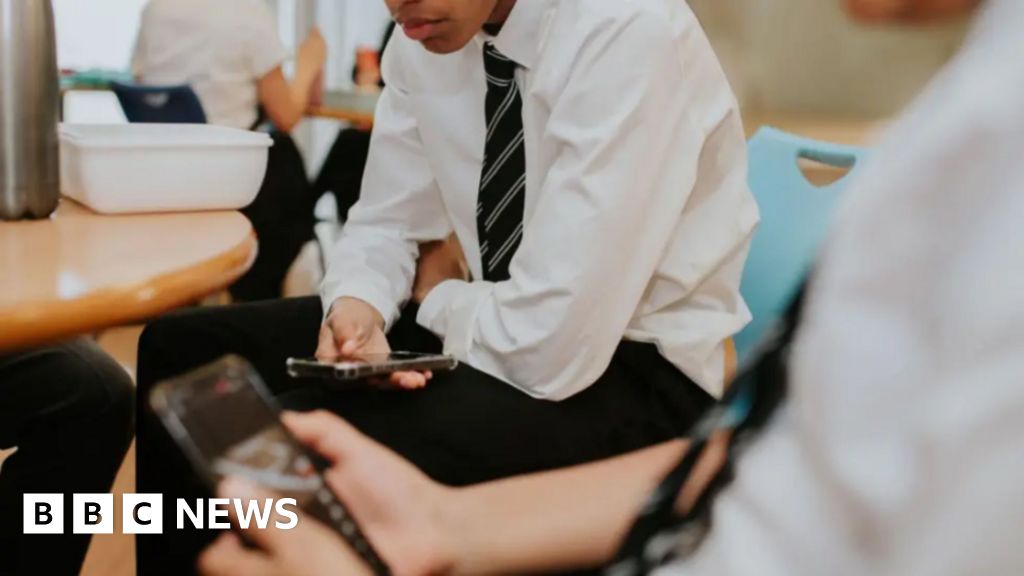
Smartphones are now legally banned in English schools from Monday 29 June, under the Children's Wellbeing and Schools Act. Head teachers must keep schools phone-free for the entire day, including breaks and lunch. The England schools smartphone ban gives statutory force to guidance most schools already follow.
Key Takeaways
- The ban takes legal effect on Monday 29 June via the Children's Wellbeing and Schools Act, passed in April.
- Schools and trusts must be phone-free all day; head teachers choose how to enforce it.
- The move is separate from the planned under-16 social media ban.
- Teachers cannot use personal phones in front of pupils during the school day.
- Broader debates on classroom screen time and AI are intensifying in the US and UK.
Parents and pupils across England are waking up to a clear shift: mobile phones are no longer a grey area in the classroom. From Monday, individual schools and trusts become legally responsible for maintaining phone-free environments throughout the entire school day.
The Department for Education says the change gives "legal force to what schools are already doing in practice." Education Secretary Bridget Phillipson had earlier written to head teachers urging them to treat all schools as "smartphone-free environments by default." That guidance is now mandatory law.
Why is England banning smartphones in schools now?
The Labour government had previously argued a statutory ban was unnecessary because most schools already prohibited phones. That position changed as the Children's Wellbeing and Schools Act moved through Parliament in April.
Conservative MPs had campaigned for an outright ban, while the Liberal Democrats claimed they had been "dragging the government" toward the policy before it was announced. The new law is distinct from a recently announced ban on social media for under-16s outside school.
How will the England schools smartphone ban work day to day?
Implementation will vary. Some schools use lockers, magnetically locked pouches, or "no see, no hear" rules where phones stay stored away. One Hampshire school allows only basic "brick" phones for calls and texts.
In Essex, a school recently invested in magnetically locked pouches, with Velcro-sealed alternatives for pupils who need phone access for medical reasons, such as controlling an insulin pump. The government says head teachers know their schools best and can choose methods that work locally.
Pepe Di'Iasio, general secretary of the Association of School and College Leaders, has called for more funding to support enforcement beyond "no see, no hear" policies, including lockers and secure storage.
What rules apply to teachers under the new guidance?
Government guidance also covers staff behaviour. Teachers should not use personal phones in front of pupils during the school day, a rule designed to "empower staff" to challenge pupils who break phone policies.
Phones may still be used for legitimate school tasks, such as issuing homework, recording rewards and sanctions, or logging into secure accounts with two-step verification. Maths teacher Bill Morris, 26, told the BBC that collecting phones at form time at his Barnsley school has encouraged face-to-face conversation among pupils.
Where does this sit in the wider screen time and AI debate?
England's phone ban arrives as educators globally question how much digital access belongs in classrooms. As we track in our Future Tech & AI Wonders coverage, education leaders in the US are pushing similar guardrails on devices and artificial intelligence.
The American Federation of Teachers has suggested no screens until third grade and no student-facing AI in elementary schools. Ohio districts face a 1 July deadline to adopt formal AI policies, with union president Melissa Cropper arguing schools must "get the screens out of the way at a young age" so pupils develop thinking skills first.
Dr Tyanna Snider of Nationwide Children's Hospital told WCMH that excessive screen time can affect children's mental health, physical health, and academic performance. A recent US Surgeon General's advisory urged schools to invest in physical textbooks and prioritise pen-and-paper work.
For full details on enforcement and exemptions, see the BBC's explainer on how the ban will work.