England beat DR Congo 2-1 but Mexico altitude tests loom
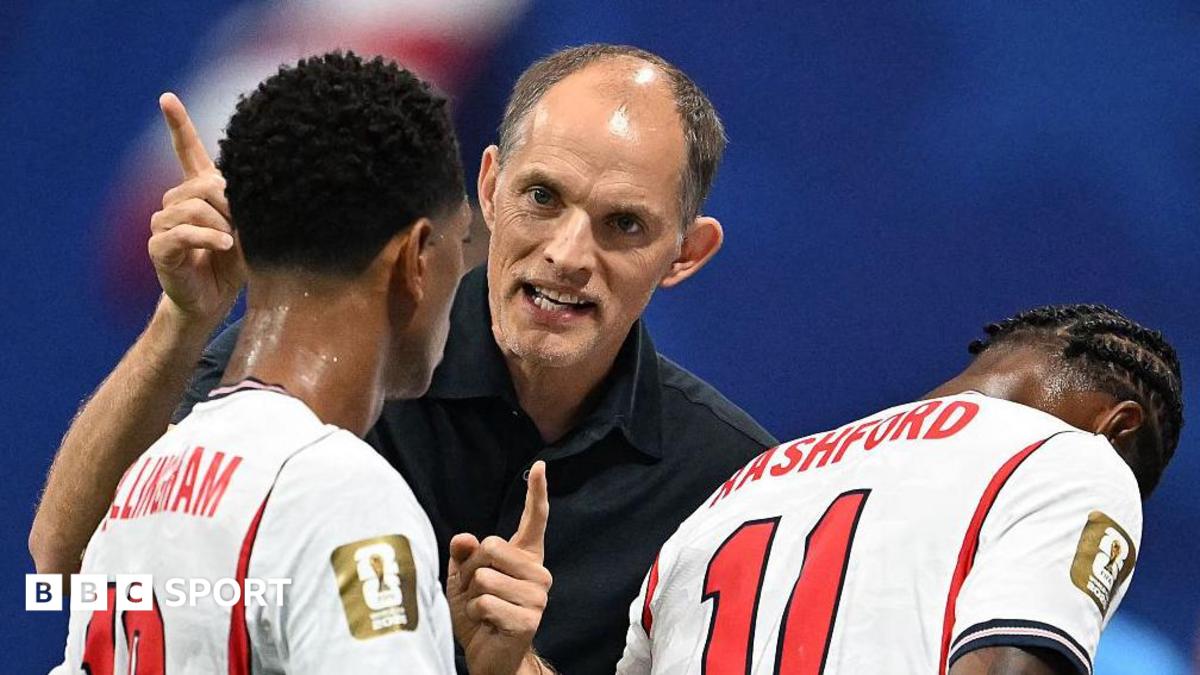
England survived one of their toughest World Cup matches, beating DR Congo 2-1 in Atlanta as Harry Kane scored twice in the final 15 minutes to reach the last 16 against Mexico. Despite the escape, defensive flaws, squad issues, and looming altitude and sleep challenges in Mexico City mean serious problems remain for Thomas Tuchel.
Key Takeaways
- Harry Kane's 75th- and 86th-minute goals rescued England after Brian Cipenga shocked them in the seventh minute.
- Defensive disarray, a right-back crisis, and limited impact from substitutes exposed recurring campaign weaknesses.
- England arrive in Mexico City on Friday facing altitude they cannot adapt to in time, plus fan-driven sleep disruption.
- Thomas Tuchel says FIFA's 24-hour arrival rule blocks the late fly-in strategy sports science recommends at high elevation.
How did England beat DR Congo after falling behind early?
DR Congo, playing their first World Cup knockout game, led from the seventh minute when Cipenga fired past Jordan Pickford at his near post. England created chances — Jude Bellingham headed twice at Lionel Mpasi, and Marcus Rashford saw a shot cleared off the line — but looked headed for humiliation until Kane intervened.
Substitute Anthony Gordon changed the game. His cross set up Kane's 12th World Cup finals goal, a header that levelled the score with 15 minutes left. Kane then turned and blasted an unstoppable shot inside the near post for the winner. It was the first time since the 1966 final that England came from behind to win a World Cup match after conceding first.
Why do defensive and squad issues still worry England?
The BBC reported that England's win did not cover cracks exposed throughout the campaign. Errors from Ezri Konsa, Marc Guehi, Djed Spence, Noni Madueke and Pickford gifted Congo's opener. DR Congo also found space in midfield, leaving England open to counters despite Declan Rice's return.
Injuries compound the problem. Reece James has no return date from another hamstring issue, Tino Livramento did not make the squad, and Thomas Tuchel is managing Bukayo Saka's Achilles carefully. Ivan Toney has barely featured across four games, while Ollie Watkins received just six minutes against Panama. When England chased the game, backup options stayed on the bench until very late.
How is England trying to protect player sleep in Mexico?
Before Sunday's last-16 tie at the Estadio Azteca, recovery has become as critical as tactics. The New York Times reported that roadblocks will ring the perimeter of England's hotel, while the Football Association is keeping the property's location secret after Ecuador complained to FIFA about Mexico fans using loudspeakers, horns and motorcycles outside the Westin Hotel.
Players without their own ear plugs or sleep bands will be offered white noise machines and natural sleep remedies. England land on Friday for two nights in the capital — earlier than their usual night-before pattern — partly because FIFA requires a partially open training session the day before kick-off. For teams chasing peak performance, sleep hygiene is not a luxury; it is part of how elite athletes protect recovery between high-stakes fixtures, a principle we explore across Longevity & Biohacking.
Why does Thomas Tuchel say FIFA rules hurt England at altitude?
Mexico City sits roughly 2,240 metres above sea level, where thinner air reduces oxygen delivery and changes how the ball travels. Mexico have played three of four home World Cup matches at the Azteca and are fully accustomed to the conditions. England, based in Kansas City, cannot acclimatise in the three days between fixtures.
Tuchel told The Guardian that adapting is "physically just not possible" and called altitude a "huge advantage" for Mexico. Sports science suggests either arriving about 10 days early or flying in at the last minute; FIFA insists opposing teams be in the host city at least 24 hours before kick-off, ruling out a same-day arrival. England's Friday flight aims for a compromise — one full night's sleep before the match — but Tuchel accepts the disadvantage will remain.
England escaped Atlanta. Whether they can survive the Azteca depends on Kane's fitness, fixing defensive lapses, and managing body and mind where the environment itself becomes the opponent.