What to know about Warren and Moreno's Social Security fix
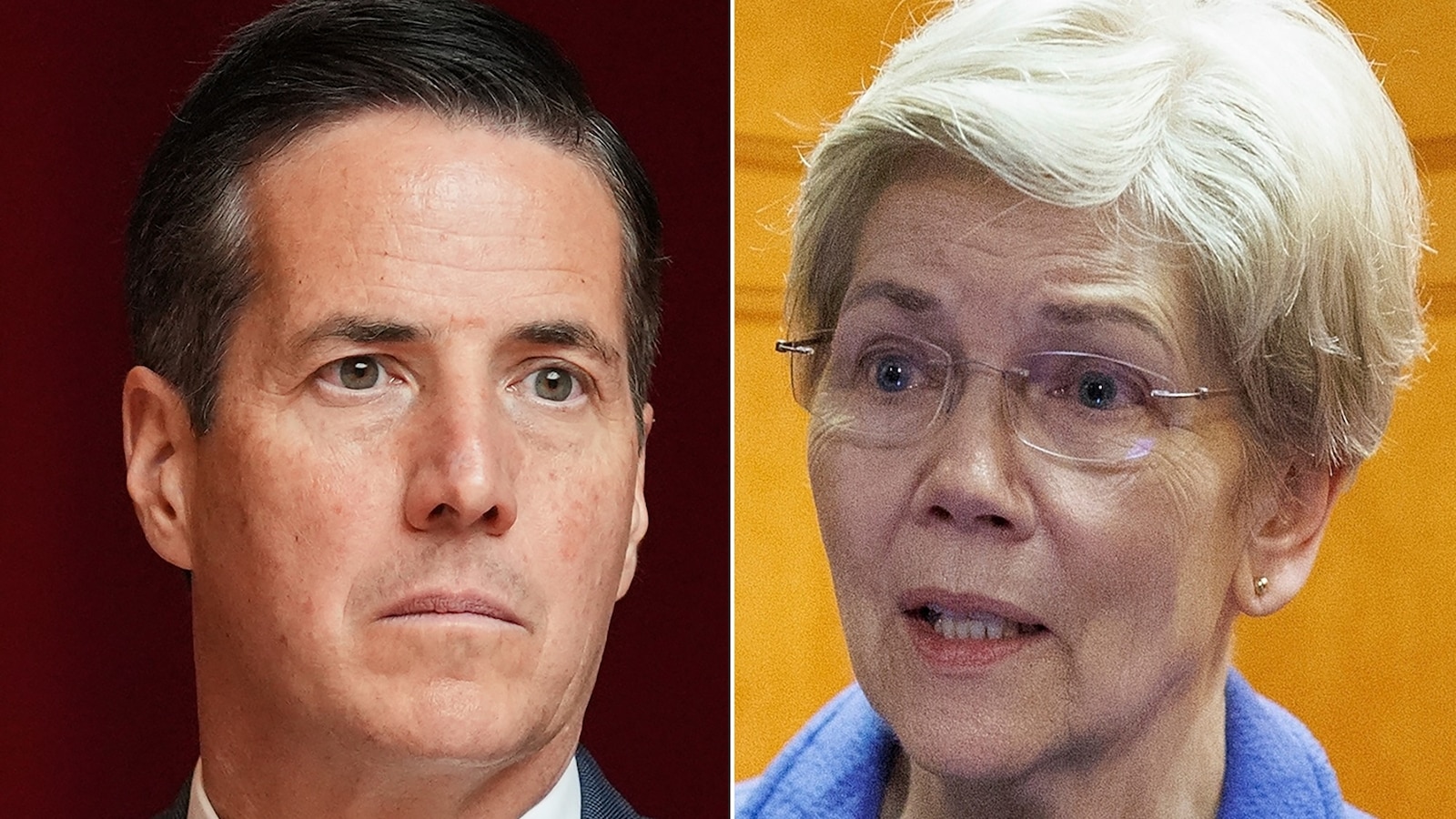
Sens. Elizabeth Warren and Bernie Moreno want to lift the $184,500 cap on Social Security payroll taxes so high earners pay on all income. The bipartisan idea could add roughly $3.4 trillion over a decade, but no bill has been introduced yet as trustees warn the fund could run dry in about six years.
Key Takeaways
- Warren and Moreno proposed removing the payroll tax cap in a June 2026 New York Times op-ed.
- The Peterson Institute estimates the change would raise about $3.4 trillion over 10 years.
- Legislation has not been introduced; spokespeople declined to comment on timing.
- Trustees project the retirement fund could be depleted by late 2032 without action.
- Raising the overall payroll tax rate is an alternate fix that would hit all workers.
Why did Warren and Moreno propose this fix?
A trustees report released earlier in July 2026 warned the Social Security fund could run out of money in as little as six years, a shorter timeline than previously estimated. That funding cliff prompted Warren, a Massachusetts Democrat, and Moreno, an Ohio Republican, to reach across the aisle.
In a New York Times opinion piece, the senators said Congress must act now to protect benefits rather than cut them for retirees who depend on the program. They argued that most Americans pay Social Security taxes on 100 percent of their earnings while the highest earners pay on only part of theirs.
How would lifting the payroll tax cap work?
Social Security is funded by a 12.4 percent payroll tax split evenly between employers and workers. Currently, that tax applies only to the first $184,500 in annual income; earnings above that threshold are exempt.
The Warren-Moreno proposal would remove that cap entirely, requiring people who earn more than $184,500 to pay the tax on their full income. According to an analysis from the nonpartisan Peterson Institute cited by ABC News, eliminating the cap would generate about $3.4 trillion in added revenue over the next decade and close more than half of the program's funding gap.
Moreno and Warren said they are working on legislation, but no formal bill has been introduced. Spokespeople for both senators declined to comment on the measure's status. Separately, a bipartisan House bill would create a 13-member commission to recommend long-term fixes.
Could raising the payroll tax rate save Social Security instead?
Lifting the earnings cap is not the only revenue option on the table. Policymakers could also raise the combined payroll tax rate, which has held at 12.4 percent since 1990, with workers and employers each paying 6.2 percent.
According to ABC27, raising the rate by one percentage point to 13.4 percent would close about 26 percent of the program's 75-year shortfall, based on Committee for a Responsible Federal Budget projections. ABC News noted a one-point increase would generate $601 billion over 10 years, closing roughly a quarter of the gap.
Closing the entire shortfall through rate hikes alone would require pushing the combined rate to about 16.4 percent. Unlike cap changes, a rate increase would affect a much broader group of workers and employers, not just top earners.
What should retirees do while Congress debates fixes?
The urgency behind the Warren-Moreno plan reflects real pressure on beneficiaries. The 2026 trustees report projects the Old-Age and Survivors Insurance trust fund could be exhausted in the fourth quarter of 2032, at which point only about 78 percent of scheduled benefits could be paid.
That timeline has some pre-retirees wondering whether to claim benefits early. Forbes retirement analyst Steve Vernon cautions against hasty decisions. Even if a 22 percent cut materialized, claiming early locks in a permanently smaller base benefit, and any across-the-board reduction would still apply.
For many healthy single filers, Vernon found that assuming a future cut can shift the optimal claiming age earlier, but married couples may see little change. Either way, 78 percent of a larger delayed benefit often beats 78 percent of a smaller early one. Track policy updates through our Fintech & Crypto Alerts coverage as lawmakers weigh revenue fixes against benefit changes.