Elissa Slotkin lawyer warns Blanche on Trump demand
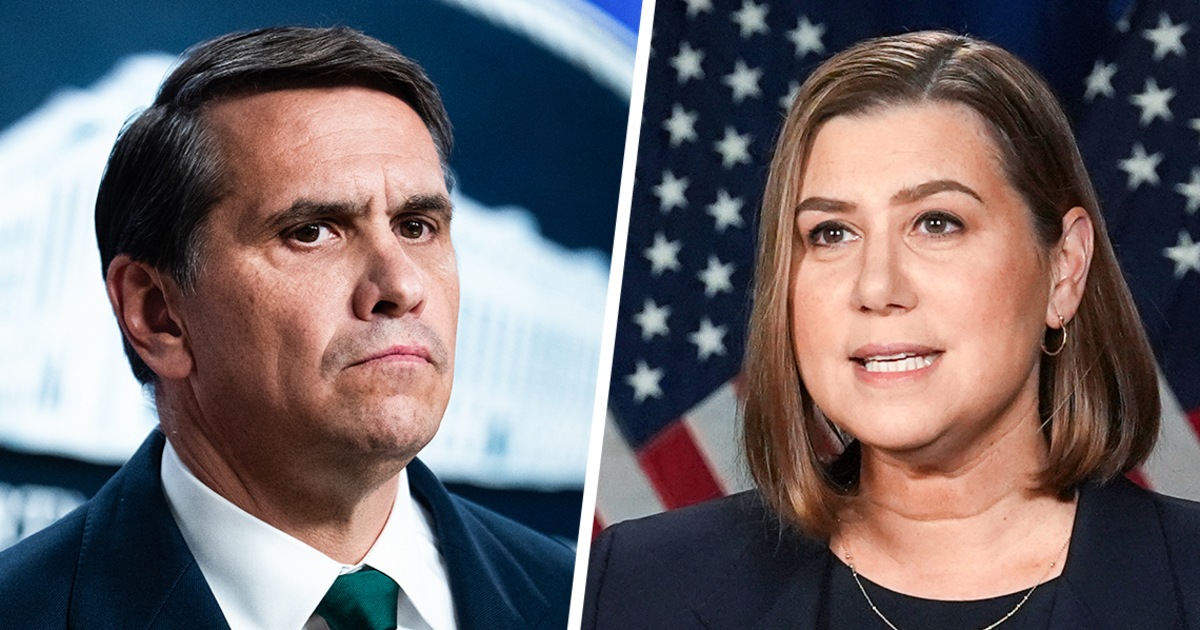
A lawyer for Sen. Elissa Slotkin has warned Attorney General Todd Blanche not to obey President Donald Trump’s demand for a criminal investigation into her University of Chicago remarks, calling any such probe frivolous and arguing her speech is fully protected by the Constitution. The Michigan Democrat’s counsel says the Justice Department must publicly refuse the order.
Key Takeaways
- Preet Bharara told Todd Blanche that Elissa Slotkin’s campus speech was lawful and that DOJ should publicly scrap any Trump-ordered probe.
- Trump demanded an immediate investigation after Slotkin said Democrats should send a “deterrence message” to young people considering administration jobs.
- A Justice Department spokesperson declined to rule out an inquiry while criticizing threats of retribution against public servants.
- Slotkin’s attorney cited First Amendment and speech and debate clause protections, noting a D.C. grand jury earlier rejected an indictment effort.
- Critics say her comments target entry-level staffers; supporters frame them as accountability for unlawful executive conduct.
What did Elissa Slotkin’s lawyer tell Todd Blanche?
In a letter made public Monday, former Southern District of New York U.S. attorney Preet Bharara urged Attorney General Todd Blanche not to follow Trump’s weekend demand. Bharara wrote that it “should not be hard to make clear that we do not live in an authoritarian regime where mere criticism of the powerful can land anyone in legal peril and possibly prison.”
He asked for “a clear and public statement confirming that the Department will not pursue this investigation against Senator Slotkin.” He called her University of Chicago comments “entirely lawful,” protected by the First Amendment and the Constitution’s speech and debate clause for members of Congress.
“There is no conceivable basis to investigate the Senator for reminding members of the executive branch who aid the President’s law breaking that there will be accountability for their actions,” Bharara wrote, arguing that “the Senator’s statement reinforces the rule of law.” He also pressed Blanche to stop “another frivolous investigation at the taxpayers’ expense.”
According to NBC News, the exchange escalated after Trump’s social-media order that the Justice Department “look into this criminal act, immediately!”
Why did Trump demand a probe of Elissa Slotkin?
Over the weekend, Trump posted that Slotkin planned to “go after all young people that believe in Republican Values” if they showed even slight Republican leanings. His demand tracked Slotkin’s October remarks at the University of Chicago’s Institute of Politics, weeks before midterm elections in which Republicans suffered major losses and Democrats won both chambers of Congress.
Slotkin, a former CIA and Defense Department official, said Democrats should focus investigative energy on people who enable Trump. She described wanting graduates to hesitate before joining the administration in its final two years: “I want them to be like, ‘Lord, that might be buying myself a ton of problems that I don’t want, and so let me avoid participating in that.’ I want that deterrence message sent.”
Trump ally Mike Davis had earlier asked then–Civil Rights Division chief Harmeet Dhillon—who has since resigned—to launch an investigation of Slotkin. NBC News noted it remains highly unusual for a White House to publicly order a criminal probe, even though the attorney general is a Cabinet member appointed by the president.
For readers tracking how political risk can reshape careers and income paths, BlasterPost’s Wealth Hacks & Passive Income hub covers how public-service choices, legal costs, and market volatility affect long-term earning strategies.
How has the Justice Department responded so far?
The Justice Department did not comment on Trump’s original post. On Monday, a spokesperson declined to rule out an investigation. “Sen. Slotkin said publicly that the prospect of future investigations should deter young people from joining this administration,” the spokesperson said. “The Department believes public service should not be met with threats of retribution, and this Department is committed to ending the weaponization of government. We follow the facts and the law.”
NBC News reported that under Blanche—Trump’s former personal attorney—the department has investigated many of the president’s perceived political enemies. Bharara’s letter also recalled that less than a year earlier, the administration tried and failed to indict Slotkin and five other members of Congress over a social media video reminding military and intelligence personnel not to follow unlawful orders.
“Thankfully, the anonymous citizens of a Washington D.C. grand jury unanimously rejected the Department’s attempt to punish a perceived political adversary for her lawful — indeed, constitutionally privileged — speech,” Bharara wrote.
What are critics saying about Slotkin’s deterrence message?
Opinion writers on the right argue Slotkin’s deterrence talk goes beyond catching lawbreakers and aims at graduates who have not yet taken a job. A University of Chicago student writing in The Daily Signal said he heard Slotkin’s October 13 Institute of Politics remarks on campus and later filed a Senate ethics complaint plus a Change.org petition seeking review.
That critique stresses the practical burden of congressional subpoenas on young staffers who lack senior officials’ legal budgets. Heartlander News similarly cast Slotkin’s comments as part of a broader Democratic plan, after the midterms, to investigate Trump administration aides and deter conservatives from public life. Slotkin has called backlash “manufactured outrage” and has not walked back the University of Chicago comments, according to that coverage.
Those accounts remain opinion-driven. The core legal fight, as framed by Slotkin’s counsel and reported by NBC News, is narrower: whether the Justice Department will treat political speech about oversight as a crime—or publicly refuse Trump’s demand.
For now, Blanche faces competing pressures: a presidential order for an immediate probe, a former U.S. attorney insisting any inquiry would be frivolous and unconstitutional, and a department statement that neither opens nor closes the case. How DOJ answers will signal whether Elissa Slotkin’s deterrence rhetoric stays in the political arena or becomes a criminal file.