Teen wins £10k payout after Elha Mai Weston catfish profiles
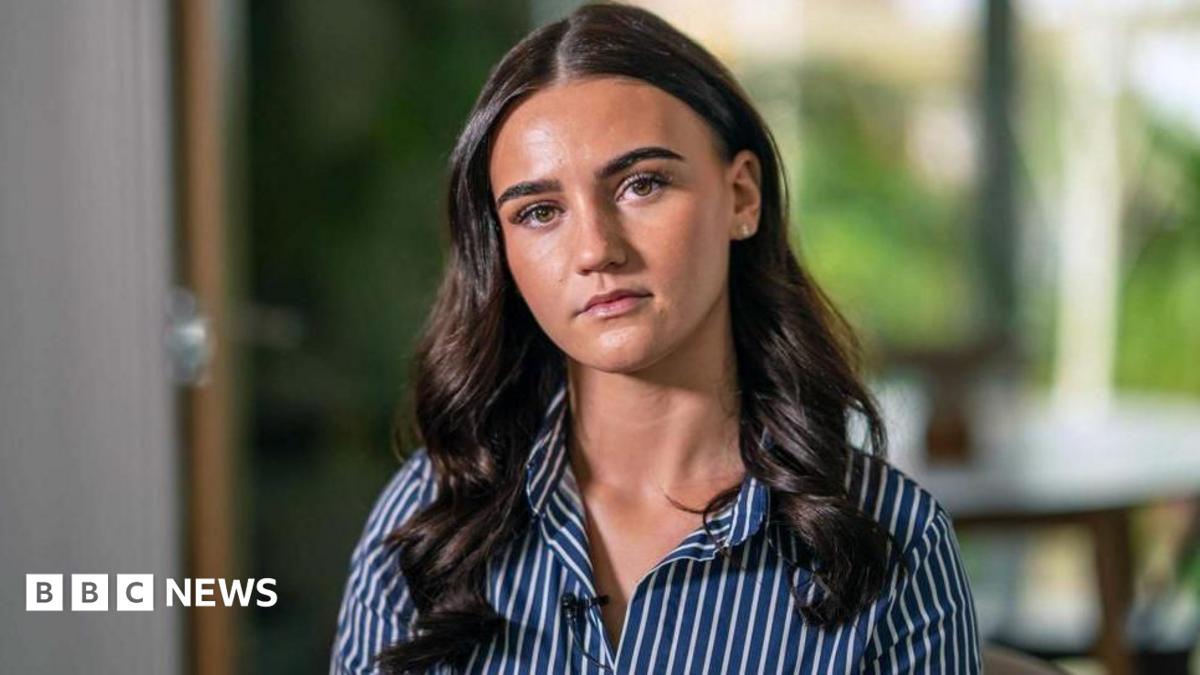
Elha Mai Weston must pay Welsh student Sasha-Jay Davies £10,000 after a four-year catfishing campaign using her photos on Tinder, TikTok and Instagram. The High Court settlement, confirmed via a Tomlin Order, ends a case where fake Sophie profiles drew more than 100,000 followers and strangers approached Davies in public believing they were in a relationship with her.
Key Takeaways
- Elha Mai Weston agreed to pay Sasha-Jay Davies £10,000 and apologised in a High Court settlement.
- Fake personas Sophie and Sophie Kadare ran across seven platforms from 2022 to 2026.
- More than 100,000 followers were built using Davies photos and AI-generated imagery.
- Men confronted Davies in the street after months of romantic messaging with fake accounts.
- The Tomlin Order binds Weston not to repeat the conduct as part of the civil settlement.
Who is Elha Mai Weston and what did she do?
Elha Mai Weston is another teenager from the same Welsh town as Davies who, the court was told, ran a sustained online impersonation campaign. Between approximately 2022 and 2026, Weston created numerous accounts under the fictitious identities Sophie and Sophie Kadare, using Davies photographs without consent.
According to BBC News, Weston also used AI-generated imagery based on Davies likeness. She communicated with large numbers of people through personal and romantic conversations, leading some men to believe they were dating Davies herself.
How did Sasha-Jay Davies discover the catfishing?
Davies was 16 when the first fake TikTok account appeared in 2022. She did not know Weston personally, yet men soon began stopping her in Glamorgan, Wales. On one occasion, a man showed her months of messages he believed he had exchanged with her.
Davies told the court she felt anxious in supermarkets and stopped feeling safe leaving home. She said about 20 men and several women contacted her on social media, and strangers harassed her over conversations she never had. Police reports did not stop the campaign, which continued across seven platforms for nearly four years.
What platforms were used in the impersonation scheme?
The High Court heard Weston operated fake profiles on TikTok, Instagram, Facebook, Snapchat, Tinder, Hinge and SoundCloud. BBC reporting notes the Sophie persona gained 81,000 TikTok followers and 22,000 on Instagram as part of a combined following exceeding 100,000.
Images stolen from Davies real accounts were posted on dating and social apps to deceive thousands of users. The case underscores how stolen digital identity can scale quickly when platforms struggle to link anonymous accounts to a real perpetrator.
Why does the £10,000 payout matter beyond one victim?
Weston accepted her conduct was wrongful and acknowledged the very significant distress caused to Davies. The reported £10,000 compensation was sealed through a Tomlin Order, a binding civil agreement that lets parties settle without a full trial while keeping undertakings enforceable.
Davies eventually hired lawyers to track down Weston after police reports failed to end the campaign. Cases like this sit at the intersection of online fraud, platform accountability and personal financial harm, a growing concern covered in our Fintech & Crypto Alerts section.
For victims, the settlement offers a civil route when criminal reporting alone fails. For platforms and users, it is a reminder that AI-assisted impersonation can turn a teenager photos into a cross-app fraud operation with real-world consequences.