Conservative groups demand Elena Kagan recuse from climate case
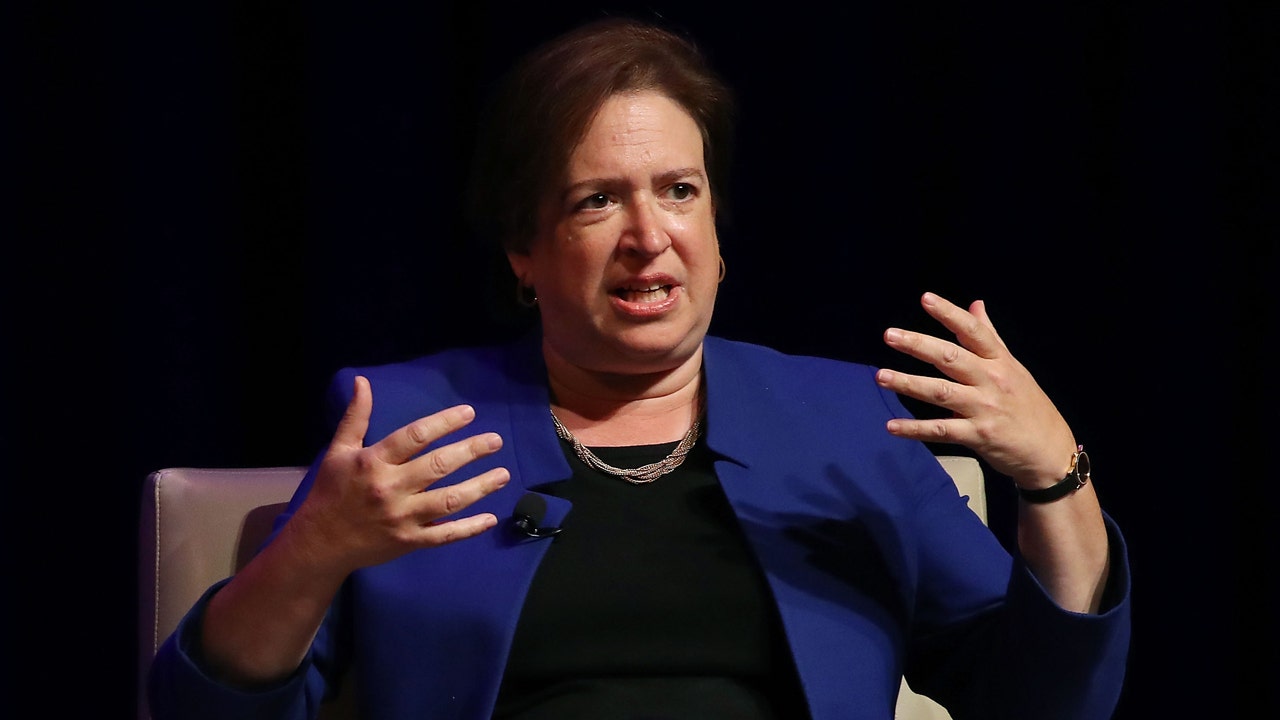
A coalition of conservative legal groups says Justice Elena Kagan cannot be impartial in upcoming Supreme Court climate litigation and urges her recusal from Suncor Energy v. Boulder County. They asked the Senate Judiciary Committee to investigate whether she violated federal ethics rules after writing the foreword to a disputed judges' evidence manual.
The dispute lands as Kagan and Justice Amy Coney Barrett prepare for a rare Capitol Hill appearance on July 14, 2026, to discuss the court's fiscal 2027 budget and a requested security funding increase amid rising threats against federal judges. The convergence puts ethics scrutiny and institutional pressures on the high court at the same moment.
Key Takeaways
- Conservative groups sent a Monday letter to Senate Judiciary leaders calling for Elena Kagan to recuse from climate litigation, including Suncor Energy v. Boulder County.
- Critics say Kagan's foreword to the Federal Judicial Center's Reference Manual on Scientific Evidence endorsed legal theories central to state and local climate lawsuits.
- The manual's climate science chapter was later removed after criticism from Republican lawmakers and attorneys general.
- Kagan and Barrett are scheduled to testify July 14 before House and Senate appropriations panels on security funding—the first such testimony since 2019.
- The Supreme Court is seeking roughly $228 million for fiscal 2027, including about $14.6 million to expand protective activities for justices and their families.
Why are conservative groups targeting Elena Kagan now?
In a letter to Senate Judiciary Committee leaders, a coalition of conservative legal organizations argued that Kagan compromised her role as a neutral arbiter by penning the foreword to the Federal Judicial Center's Reference Manual on Scientific Evidence. The fourth edition, released December 31, included a climate science chapter that critics said promoted pro-plaintiff legal theories in fossil-fuel litigation.
Judicial Crisis Network President Carrie Severino said Kagan's support for the manual showed she had embraced the partisan ideals driving what critics call climate "lawfare." The coalition asked lawmakers to hold hearings and determine whether Kagan complied with federal ethics law and the Supreme Court's code of conduct.
What is the Suncor Energy climate case?
The groups focused on Suncor Energy v. Boulder County, a major climate dispute expected to reach the Supreme Court next term. Conservative advocates contend Kagan cannot remain impartial because the manual's climate chapter aligned with legal theories at the heart of state and local lawsuits against energy companies.
Republican attorneys general, including leaders from Nebraska and West Virginia, had previously pressed Congress to expand probes into climate-related influence on federal judges. The Federal Judicial Center later removed the climate science chapter from the manual after those complaints, a change federal Judge Robin Rosenberg confirmed in a February 2026 letter to West Virginia Attorney General JB McCuskey.
How does Congress factor into the court's week ahead?
Separately, Kagan and Barrett are set to testify before the House Appropriations Subcommittee on Financial Services and General Government and the Senate Appropriations Committee on July 14, according to CNN. The hearings are nominally about the court's budget request, but lawmakers may also press the justices after a divisive term that included rulings on birthright citizenship and tariffs.
As The New York Times reported, the judiciary is seeking increased security funds as threats against judges have risen. The Supreme Court's fiscal 2027 request includes funding to expand Supreme Court Police protection at justices' residences, part of a broader effort to shift residential security away from the U.S. Marshals Service.
What happens if Kagan does not recuse?
The conservative coalition has not indicated whether it would pursue formal recusal motions before the court itself. For now, its public pressure campaign centers on Senate oversight and the argument that public confidence in the judiciary requires justices to step aside whenever impartiality "might reasonably be questioned."
High-court recusal decisions are left to individual justices, and Kagan has not publicly responded to the latest demands. The episode underscores how climate litigation, judicial ethics, and congressional funding battles are increasingly intersecting on the Supreme Court's docket. For more policy and regulatory developments, see our Fintech & Crypto Alerts coverage.