Egg giants settle US price-fixing probe with eggs and $3.3M
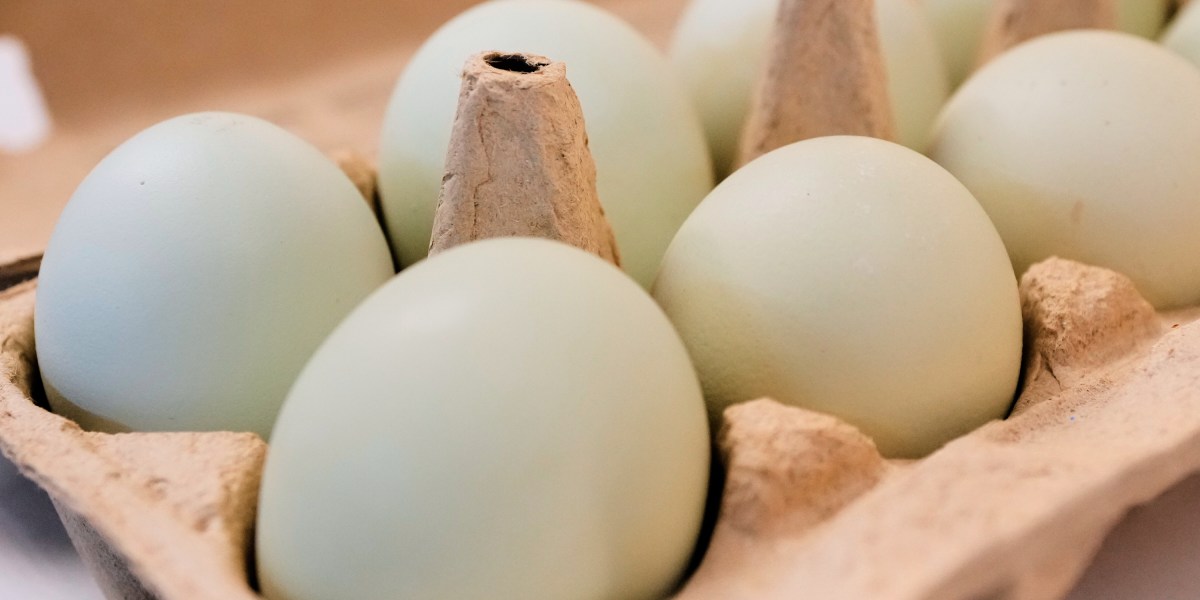
The United States Department of Justice and 17 states reached proposed settlements with Cal-Maine Foods, Versova, and Hickman's Egg Ranch over alleged egg price collusion from June 2022 through March 2025. The producers will pay $3.3 million combined, donate 53 million eggs to food banks, and adopt antitrust compliance reforms—without admitting wrongdoing. The united states department justice action resolves claims that executives coordinated bids to inflate a wholesale benchmark while shoppers faced record grocery bills.
Eggs became a symbol of post-pandemic inflation, and this case shows how a staple grocery item can sit at the intersection of corporate profit, federal enforcement, and everyday household budgets. For anyone tracking where money actually flows in the economy, the settlement numbers tell a stark story.
Key Takeaways
- The United States Department of Justice and 17 states accused three major egg producers of illegally coordinating bids to inflate daily price quotations between June 2022 and March 2025.
- Cal-Maine, Versova, and Hickman's agreed to pay $3.3 million total and donate 53 million eggs to food banks and nonprofits, pending court approval.
- Cal-Maine reported $1.22 billion in profit for fiscal 2025—the same year average U.S. egg prices hit a record of about $6.23 per dozen.
- None of the companies admitted wrongdoing; all three must end alleged coordination and implement compliance programs if the deal is approved.
- Quoted egg prices fell sharply after producers learned of the federal investigation in March 2025, according to court filings cited in reporting.
What did the United States Department of Justice allege?
Federal officials and a bipartisan coalition of state attorneys general filed a civil antitrust lawsuit in Iowa federal court while simultaneously proposing settlements with the three producers, according to The Wall Street Journal. The complaint described a yearslong effort by a handful of major egg companies to manipulate a little-known wholesale process that helps determine what Americans pay at the register.
Prosecutors accused Cal-Maine, Versova, and Hickman's of working together to artificially inflate daily price quotations for eggs. The alleged scheme ran from approximately June 2022 until March 2025, a period when egg prices became one of the most visible pain points in U.S. household spending.
Investigators said executives spoke by phone and exchanged messages to coordinate bidding and trading activity. The companies denied wrongdoing and agreed to settle the civil claims rather than fight the case in court.
How did egg producers allegedly manipulate prices?
At the center of the case is Urner Barry Publications, a benchmark pricing service now called Expana, whose daily egg price quotes are widely used in supply contracts for grocery stores, restaurants, and other large buyers. The Justice Department alleged the companies coordinated on bids submitted through the Egg Clearinghouse, a wholesale marketplace sometimes nicknamed the Wall Street of Eggs.
According to the complaint described by the Journal, Hickman's CEO emailed executives at Versova and Cal-Maine in December 2022 urging them to submit strong bids, early and often, to push prices higher. All three companies then submitted dozens of bids at elevated prices, prosecutors said, and Urner Barry subsequently raised its quotations for white, large, shell eggs across regions.
The alleged coordination continued as prices climbed again. In December 2024, when egg prices ticked up after a new round of bird flu cases, Hickman's CEO received a text from Cal-Maine's former CEO saying, let it rip, according to the complaint. The companies began submitting more premium bids on the clearinghouse that went unfilled, the filing alleged.
Producers publicly blamed soaring costs on an avian flu epidemic that forced farmers to slaughter millions of laying hens. Critics and investigators, however, argued that dominant producers also exploited market concentration during the crisis. Court documents cited in Fortune note that price quotations dropped significantly after the companies learned of the Justice Department investigation and were instructed to preserve documents in March 2025.
What are the three companies paying under the settlement?
Under the proposed deal, Cal-Maine, Versova, and Hickman's will collectively pay $3.3 million to participating states and donate 53 million eggs to food banks and nonprofit organizations. The settlement remains subject to federal court approval.
Cal-Maine, the nation's largest egg producer and the only publicly traded company among the three, will pay $1.5 million and donate 30 million eggs. Versova will provide 20 million eggs and $800,000. Hickman's will contribute 3.25 million eggs and $1 million, according to court documents cited in reporting.
Beyond cash and donations, the companies agreed to stop communicating with competitors about pricing and bidding strategies. They must adopt antitrust compliance programs if the court approves the proposed settlements.
Why does a $3.3 million settlement matter when profits hit $1.22 billion?
That contrast is exactly why the case drew national attention. Cal-Maine reported a profit of $1.22 billion for fiscal 2025, according to Fortune, while average U.S. egg prices reached a record of about $6.23 per dozen in March 2025. Consumer prices later fell to under $2.20 per dozen by May 2026 as flocks replenished, even as bird flu continued.
For households trying to stretch grocery budgets, the settlement offers accountability but not a direct refund. The $3.3 million will be distributed among participating states, while donated eggs are routed to food banks rather than supermarket shelves. If you follow wealth hacks and passive income strategies, cases like this underscore a recurring lesson: when a concentrated industry controls a daily essential, enforcement actions can reshape behavior even when dollar penalties look small beside corporate earnings.
None of the producers admitted wrongdoing as part of the proposed deal. The Journal reported that all three agreed to settle civil claims by donating more than 50 million eggs and paying $3.3 million to states that investigated the alleged misconduct.
Where are the 53 million donated eggs going?
Reporting on the probe, including coverage from Newsday, described free eggs flowing to consumers after investigators uncovered price collusion among producers. Under the settlement terms reported across outlets, the 53 million eggs will be provided at the companies' expense to food banks and nonprofit groups across participating states.
The donation is designed to channel relief to communities hit hardest by food insecurity, not to reimburse individual shoppers who paid elevated prices at checkout. For millions of Americans who watched egg costs dominate headlines, the practical takeaway is twofold: enforcement officials say coordinated bidding helped inflate a benchmark that rippled through the supply chain, and the proposed remedy mixes modest state payments with a large in-kind egg transfer.
Whether the settlement fully matches the scale of alleged harm will likely remain debated. For now, the United States Department of Justice and 17 states have put a proposed price on years of alleged collusion: $3.3 million, 53 million eggs, and a promise to stop.