EasyJet reaches agreement on £5.5bn Castlelake takeover
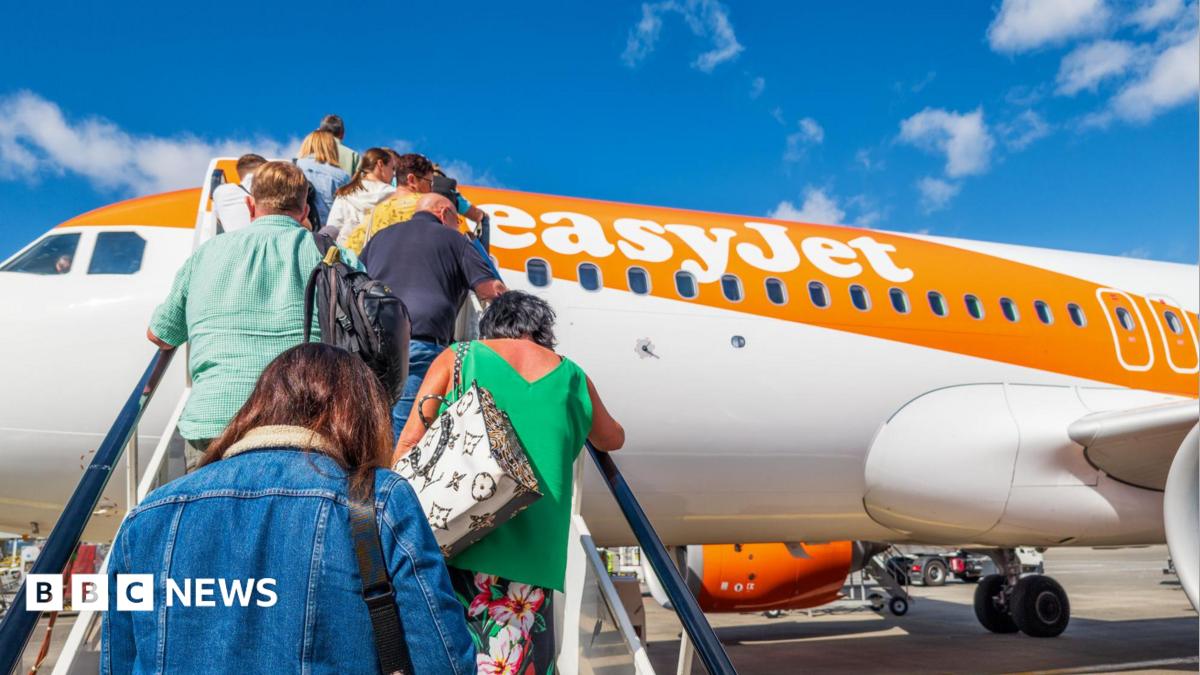
EasyJet has reached an agreement in principle to accept a fifth takeover bid from US investment firm Castlelake at £6.90 per share, valuing the Luton-based airline at up to £5.5 billion on a fully diluted basis. The deal is not confirmed, but the board says it would recommend the offer to shareholders if a formal bid is made. The easyJet share price closed at £5.58 on Friday, sitting below the proposed cash offer, though shareholders would still need to vote on any binding proposal.
The breakthrough came on Sunday evening after weeks of negotiations that saw EasyJet reject four earlier approaches and accuse Castlelake of trying to buy the carrier "on the cheap." Both companies stressed the agreement is tentative. Castlelake must now secure regulatory clearances and decide whether to announce a firm intention to make an offer by 17:00 BST on 3 August 2026.
Key Takeaways
- Castlelake's fifth bid values EasyJet at up to £5.5 billion, or £6.90 per share in cash.
- EasyJet's board said it would be "minded to recommend" the offer to shareholders if a formal bid is tabled.
- Shares closed Friday at £5.58 each, below the proposed price, after falling more than 30% in the year before bids emerged.
- EU ownership rules require EasyJet to remain 51% owned and controlled by European interests.
- Castlelake has until 3 August to make a firm offer or walk away under UK takeover rules.
What did EasyJet and Castlelake agree on Sunday?
EasyJet's board and Castlelake announced they had reached an agreement in principle on a proposal put forward on 4 July worth £6.90 per share. The deal would value the carrier at roughly £5.2 billion, or up to £5.5 billion on a fully diluted basis, according to reporting from the BBC and The Guardian.
This is not a confirmed takeover. The companies said there is no certainty that any firm offer will be made, even if pre-conditions are satisfied. If Castlelake does proceed, the board indicated the financial terms are at a value it would be minded to recommend to EasyJet shareholders.
Castlelake, based in Minneapolis, Minnesota, is a US private equity investor founded by banker Rory O'Neill, The Guardian reported. It already holds a stake of roughly 2.14% in EasyJet through funds it manages and has about $36 billion in assets under management, the BBC said. Bloomberg reported that this was Castlelake's fifth takeover attempt after the airline turned down four previous proposals worth up to £6.50 a share.
How does the £6.90 offer compare to the easyJet share price?
For investors tracking the easyJet share price, the proposed £6.90-a-share offer sits well above where the stock last traded. EasyJet shares closed on Friday at £5.58 each, leaving a gap of roughly 24% to the indicative bid price.
Before the first bid emerged in June, EasyJet's stock had fallen by more than 30% over the preceding year, the BBC reported. That weak run helps explain why a US investment firm saw an opening to pursue Britain's biggest low-cost carrier, which The Guardian said would be taken private under the proposed deal.
The gap between the last traded price and the proposed offer is typical in takeover situations, where markets price in execution risk, regulatory hurdles, and the possibility that a deal may not close. Until Castlelake tables a binding offer and shareholders vote, the easyJet share price will continue to reflect that uncertainty.
Why did EasyJet reject four earlier Castlelake bids?
The negotiation path has been unusually public and contentious. EasyJet previously rejected four takeover offers from Castlelake worth £6.50, £5.60, £6 and £6.25 per share, according to the BBC. The airline accused the bidder of trying to buy it on the cheap.
The Guardian reported that EasyJet rejected a £6.50-a-share offer just 10 days before Sunday's breakthrough, saying it substantially undervalued the business. The first bid was worth £5.60 a share. The agreement followed weeks of negotiations after several rejected offers.
EasyJet is a member of the FTSE 250 and Britain's biggest low-cost carrier, The Guardian said. It competes fiercely with Ryanair and would be taken private if a deal completes.
What hurdles must Castlelake clear before a deal closes?
Several significant obstacles remain. Castlelake must obtain regulatory clearances and the approvals required for the transaction to go ahead, the BBC reported. This is not a formality for a US bidder targeting a European airline.
One major hurdle is EU ownership and control rules. As a European airline, EasyJet must be at least 51% owned and controlled by European interests. Castlelake is a US firm, although it has previously outlined how it would endeavour to comply with that requirement. The Guardian reported that former easyJet executive Peter Bellew and aviation industry veteran Mark Breen are involved in the bidder's plans.
If Castlelake makes a firm bid, it would need to be put to a shareholder vote, the BBC said. Castlelake has until 17:00 BST on 3 August to either announce a firm intention to make an offer or confirm it does not intend to do so.
What would a takeover mean for EasyJet shareholders?
If the deal goes through, EasyJet shareholders would receive £6.90 per share in cash. The Haji-Ioannou family, led by founder Stelios, holds more than 15% of the company and could receive nearly £800 million if the deal completes at the proposed price, according to The Guardian.
EasyJet said Castlelake had emphasised its respect for EasyJet and its people, along with its intention to support the airline's future growth and transformation into a stronger, more resilient European carrier, the BBC reported. Evercore advised EasyJet on the negotiations, while Goldman Sachs advised Castlelake, The Guardian said.
For retail investors weighing whether to hold, sell, or buy more shares, the key dates to watch are Castlelake's 3 August deadline and any subsequent shareholder vote. Takeover premiums can create short-term trading opportunities, but deal risk means the easyJet share price may remain volatile until the outcome is clear. For broader context on how corporate deals affect portfolio strategy, see our Wealth Hacks & Passive Income coverage.