Eagles final chart topper hit No. 1 on this day in 1979
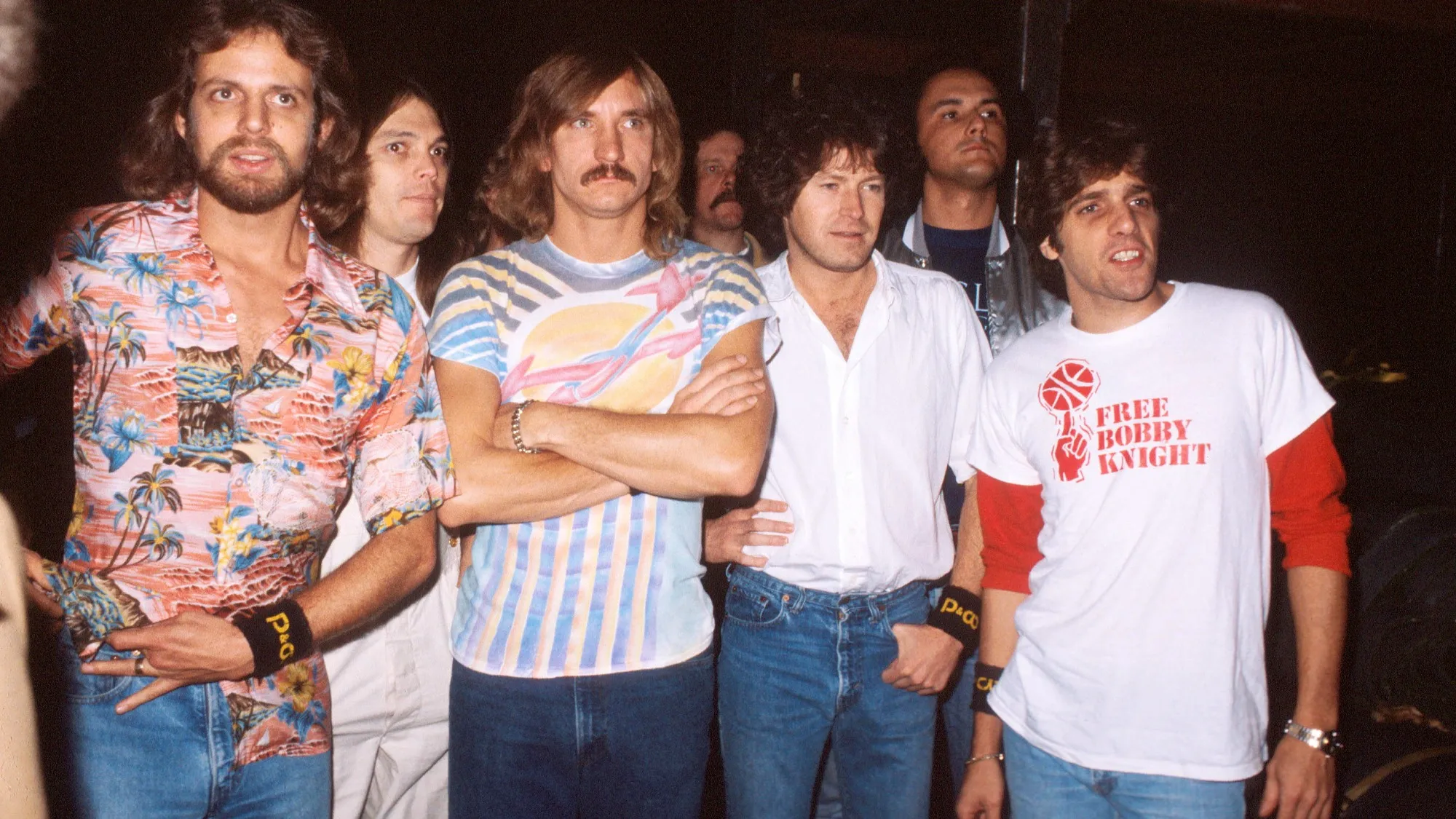
On November 10, 1979, the Eagles topped the Billboard Hot 100 with "Heartache Tonight," their fifth and final No. 1 single. The Eagles final chart topper was co-written by Glenn Frey, Don Henley, roommate-turned-collaborator JD Souther, and classic rock legend Bob Seger, who sang the chorus over the phone. The stomping lead single from The Long Run capped a decade of California rock dominance—and arrived just as the band was coming apart.
Key Takeaways
- "Heartache Tonight" hit No. 1 on the Billboard Hot 100 on November 10, 1979, becoming the Eagles' fifth and last chart-topper.
- Glenn Frey, Don Henley, JD Souther, and Bob Seger share writing credits; Seger delivered the chorus spontaneously over the phone.
- The track was the lead single from The Long Run, earned RIAA Platinum status, and won a Grammy for Best Rock Performance by a Duo or Group with Vocals.
- It knocked M's "Pop Muzik" from No. 1 while holding Donna Summer's "Dim All the Lights" at No. 2.
- Within a year, onstage tension between Frey and Don Felder helped end the original Eagles run—and, for many fans, an era of laid-back California rock.
For more throwbacks like this one, browse our Nostalgia: Then & Now archive.
What happened when the Eagles final chart topper reached No. 1?
According to American Songwriter, November 10, 1979, is the day the Eagles locked in their last Hot 100 No. 1 with "Heartache Tonight." It was the band's fifth trip to the summit—and the one that closed the book on their chart-topping era.
The same week, the song bumped M's synth-pop smash "Pop Muzik" out of the top spot. Sitting just behind the Eagles at No. 2 was Donna Summer's "Dim All the Lights." Summer, then dominating disco, never pushed that single to No. 1; it peaked at No. 2. She did not wait long for a rebound, though. Weeks later she returned to No. 1 with "No More Tears (Enough Is Enough)," her duet with Barbra Streisand.
"Heartache Tonight" was the lead single from The Long Run, the hard-fought follow-up to the Eagles' 1976 blockbuster Hotel California. The album itself topped the Billboard 200 and spun off three Top 10 singles. The title track of this story also earned Platinum certification from the RIAA and took home the Grammy for Best Rock Performance by a Duo or Group with Vocals in 1979.
Produced by Bill Szymczyk—one of the decade's most successful rock hitmakers—"Heartache Tonight" stood out as one of the typically country-leaning band's most aggressive, straightforward rockers, driven by a hypnotic stomping rhythm and handclap pulse.
How did Glenn Frey's roommate and Bob Seger help write the song?
The writing credits tell a friendship story as much as a hit-making one. Frey and Henley wrote the song with JD Souther and Bob Seger—two outsiders Frey knew well before he and Henley formed the Eagles in the early 1970s.
Frey came up in the Detroit rock scene as a teenager, where he met Seger, who was a few years older and already more experienced. The pair nearly formed a band together, but that plan fell through. The friendship endured, and they kept learning from each other over the years.
Souther entered Frey's life after Frey left Michigan for the West Coast. The two shared a small apartment, jammed, and wrote songs together, later forming the duo Longbranch Pennywhistle. Souther never became an official Eagle, but he co-wrote several songs for the band with Frey and Henley.
The spark for "Heartache Tonight" came while Souther and Frey hung out and listened to Sam Cooke. "We were just walking around clapping our hands and snapping our fingers and singing the verses to those songs," Souther recalled. He said the melody felt like those Sam Cooke shuffles: not much more than two long verses, but it felt really good.
They could not land a chorus they liked for days. Then Frey got Seger on the phone and sang him the verses. Seger answered with the hook on the spot. "Seger came right in with the chorus. He just sang it, and it was so good," Souther said. The line—"There's gonna be a heartache tonight / A heartache tonight, I know"—became both the chorus and the title.
Reporting on the sessions for The Long Run adds another layer: the band paused mid-album to write something new for Frey to sing, after it looked like he might be underrepresented as a lead vocalist. Frey, Henley, and Souther built an up-tempo track with a big percussive clap; when the chorus still would not come, Frey's call to Seger unlocked it. For a few minutes of work, Seger earned a co-write on a No. 1 single—the first chart-topper of his career as a writer, and the fifth and final one for the Eagles.
Why did Heartache Tonight feel like the end of California rock's reign?
Commercially, the single was a triumph. Behind the scenes, the Eagles were exhausted after years on the road, and tensions inside the group were rising. Bassist Randy Meisner had already left, replaced by Timothy B. Schmit.
In 1980, those pressures boiled over. At a benefit concert for California Sen. Alan Cranston, Frey and guitarist Don Felder spent the set threatening each other onstage. Soon after, the Eagles broke up. For many fans, that split marked the end of the laid-back California rock sound the band had helped define through the 1970s.
In that light, "Heartache Tonight" reads as more than a chart footnote. It was a final statement from a dying era: a No. 1 hit built by old friends, released as the soft-rock kings of the decade were running out of road, and still stomping hard enough to hold disco and synth-pop at bay for one last week at the top.
What should fans remember about the Eagles final chart topper today?
Nearly five decades later, the story still lands because it is equal parts craft and chemistry. A Sam Cooke-inspired shuffle. A roommate co-writer who never officially joined the band. A Detroit mentor who fixed the chorus by phone. A Platinum, Grammy-winning rocker that became the last time the Eagles owned the Hot 100.
If you are revisiting The Long Run—or just marking another November anniversary—the takeaway is simple: "Heartache Tonight" did not just close a chart chapter. It froze a moment when California rock still ruled the dial, even as the friendships and band chemistry that powered it were already fraying.