Ukrainian drone warfare hits Russian retail warehouses
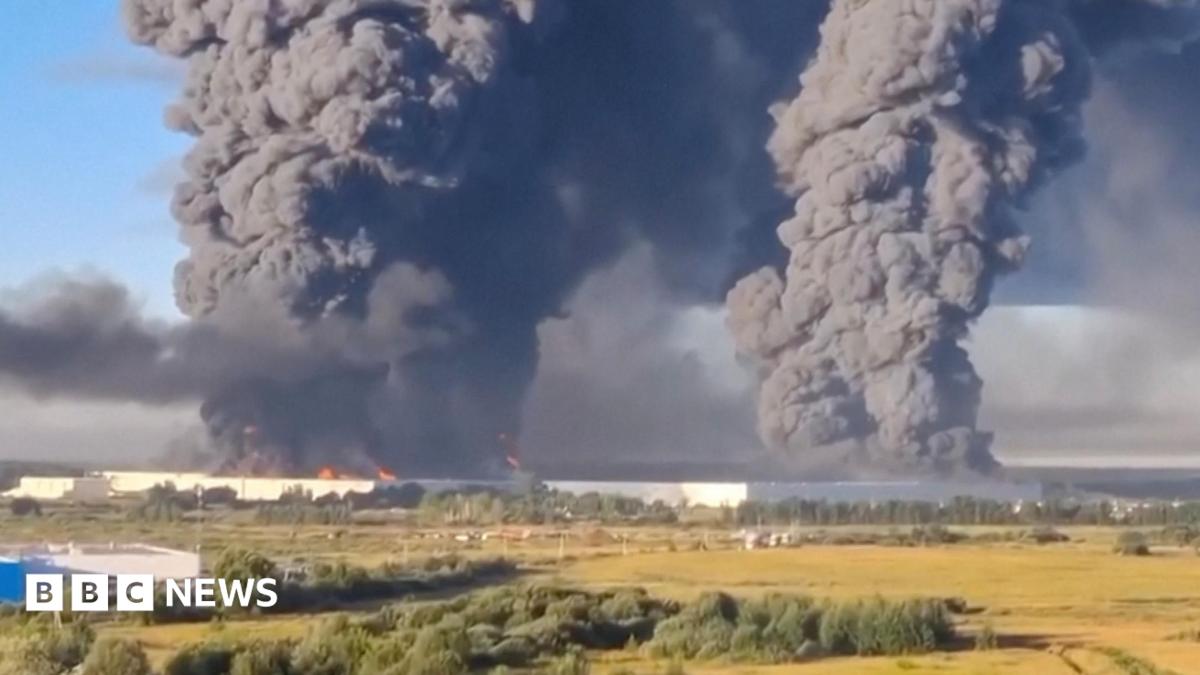
Ukrainian drone warfare struck two Wildberries warehouses in Russia's Tambov and Moscow regions, killing eight people and injuring 62, Russian officials said. President Zelensky said the logistics hubs supplied sanctioned components for drone production—widening the war beyond front lines into commercial supply chains.
Key Takeaways
- Ukrainian drones hit Wildberries warehouses in Kotovsk (Tambov) and Elektrostal (Moscow region), with eight dead and 62 injured.
- Zelensky said the sites supplied sanctioned components for drone production and navigation gear.
- Analysts call Wildberries a vital channel for dual-use electronics and military kit bought online.
- Russia reported dozens of drones shot down overnight and an oil facility also hit.
- Kyiv framed the raids as payback for Russian strikes that killed 14 people across Ukraine.
What happened in the Wildberries warehouse strikes?
According to Russian officials cited by the BBC, seven people died and 25 were injured at a Wildberries warehouse in Tambov—about 295 miles (475 km) south-east of Moscow. One person was killed and 37 injured at another Wildberries site in Elektrostal in the Moscow region.
The Guardian places the Tambov facility in Kotovsk, roughly 360 km (220 miles) from the Ukraine border, and Elektrostal about 50 km (30 miles) east of Moscow. Video shared from the scenes showed flames, black smoke, and workers fleeing a vast logistics building as explosions continued.
Tambov region governor Evgeniy Pervyshov said seven night-shift workers died on the spot, most injuries were shrapnel wounds, and 28 drones were shot down on approach. Moscow region governor Andrei Vorobyov said eight of the Elektrostal injured were in serious condition and that 48 drones were downed overnight in the region.
Why does drone warfare target retail logistics hubs?
Zelensky said Ukraine hit "major logistics facilities" used to "supply sanctioned components for drone production and navigation equipment," calling the operation a response to Russian strikes on Ukrainian cities and civilian infrastructure.
Serhii Kuzan, chairman of the Ukrainian Security and Cooperation Centre, told the BBC that Wildberries is a "vital component" of Russian logistics. He said volunteers have used its website to buy walkie-talkies, body armour, and drone components, and that striking the warehouses aims to disrupt dual-use and sanctioned goods flowing to the army and arms makers.
Wildberries is often described as Russia's Amazon equivalent. Forbes Russia valued the merged RWB group at about $12.6bn (£9.3bn) in 2026. CEO Tatyana Kim called it a "terrible night" for Russia and the company.
How is long-range drone warfare reshaping this conflict?
The warehouse raids sit inside a broader pattern of long-range Ukrainian drone attacks on Russian energy and logistics. Regional officials said a falling drone also struck a Russian oil depot—an incident Vorobyov called the night's "most serious consequences." Zelensky separately confirmed an oil facility was hit.
Ukraine has intensified strikes on Russian refining and fuel infrastructure, and Kyiv claimed earlier this month that nearly 43% of Russia's oil refining capacity had been "disabled"—a figure the BBC has not independently verified. For readers tracking how autonomous and remote systems are changing modern conflict, see more coverage in Future Tech & AI Wonders.
Moscow has long hit similar dual-use facilities inside Ukraine, including postal and electronics sites. Overnight into Wednesday, 14 people were killed in Russian attacks across Ukraine, underscoring how drone warfare now reaches deep into civilian and commercial networks on both sides.