Ockenden report: 500+ mothers and babies harmed at Nottingham trust
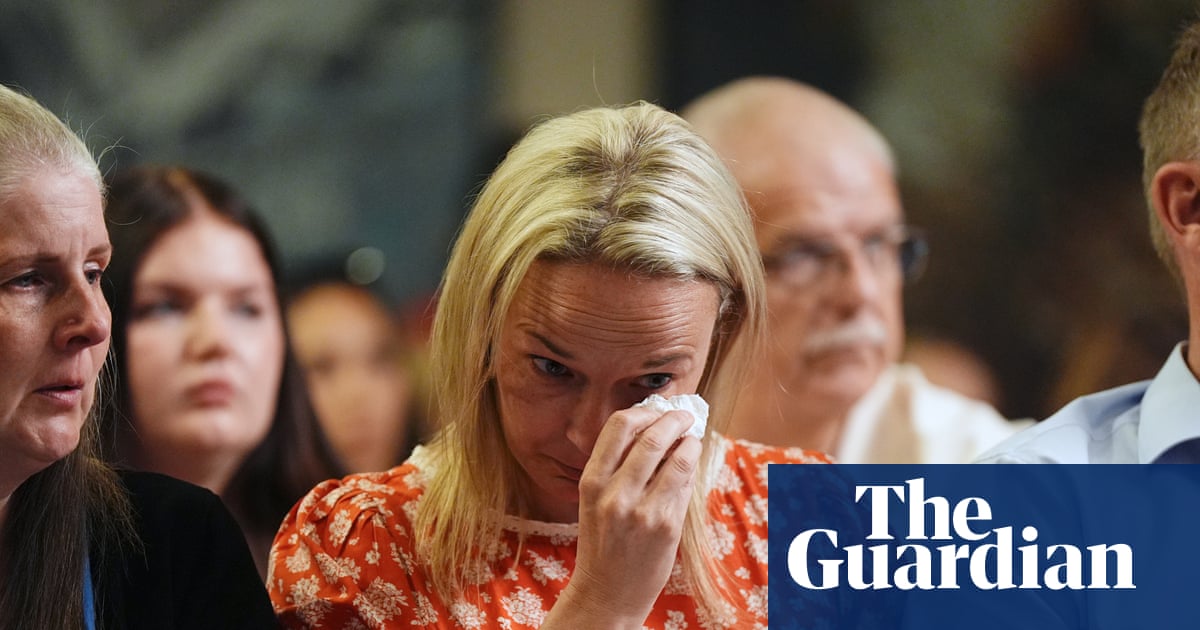
More than 500 mothers and babies died or suffered potentially avoidable harm at Nottingham University Hospitals NHS Trust, according to the final Donna Ockenden report published on 24 June 2026. The landmark inquiry identified 520 cases of potentially avoidable outcomes, exposing a toxic culture and systemic failures leaders knew about for more than a decade. Senior midwife Donna Ockenden led the largest maternity review in NHS history, finding that substandard care persisted while warnings from families and staff went unheard.
Key Takeaways
- Donna Ockenden's review identified 520 cases of potentially avoidable harm across 444 maternity and 76 neonatal cases between 2012 and 2025.
- Different care may have changed outcomes for 260 babies, including 155 deaths and 105 serious injuries.
- A bullying, toxic culture at NUH suppressed staff concerns and dismissed vulnerable mothers' pain.
- Regulators found eight bodies in advanced deterioration at trust mortuaries after hospitals ran out of freezer space.
- Families want a statutory public inquiry, while critics warn persistent impunity lets NHS failures repeat.
When a public institution fails at this scale, the human cost is catastrophic — but the accountability gap also carries a steep financial toll for taxpayers and grieving families forced to fight for answers. For more reporting on systemic risk and institutional accountability, see our Wealth Hacks & Passive Income coverage.
What Did the Donna Ockenden Report Find?
The independent review examined more than 2,500 family cases. About 2,500 families and more than 800 current and former staff contributed evidence to an investigation that began in 2022 and covered care from April 2012 to May 2025.
Experts concluded there were potentially avoidable outcomes in 444 maternity cases and 76 neonatal cases — 520 in total. All were graded at level two or three for harm, meaning significant or major concerns over care. The review team told the BBC that different care may have altered the outcome for 260 babies, of whom 155 died and 105 suffered serious injury.
At a press conference in Nottingham, Ockenden said the failings were hauntingly consistent for more than a decade. Health secretary James Murray told MPs the nature and scale of deficiencies were horrific, apologising on behalf of the NHS to families who suffered appallingly.
Why Did the Trust Fail Mothers and Babies for Over a Decade?
The report found deeply embedded systemic failures rather than isolated mistakes. Adverse outcomes were linked to poor fetal heart monitoring, failure to recognise distress in labour, and delays escalating cases to senior doctors. Insufficient staffing and staff unable to complete mandatory training compounded the risk.
Ockenden described a toxic culture in which bullying was normalised, speaking up was dangerous, and governance was shaped by self-protection rather than patient safety. A small number of powerful leaders, she said, infected the unit. Vulnerable women were systematically dismissed — some accused of imagining pain while being turned away for help.
The Guardian reported shocking racism and stereotyping, including cases where life-threatening neurological symptoms in ethnic minority women were wrongly attributed to hormones or mental health. Young mothers faced explicit bias, and staff admitted witnessing covert racism toward Black and brown women.
Leaders at NUH knew serious issues existed since at least 2010, yet year after year failed to prevent further harm. Ockenden warned Nottingham does not exist in a vacuum, noting England is not on track to halve stillbirths and maternal deaths by 2030 as pledged in 2015.
What Happened to Bodies in Nottingham Trust Mortuaries?
Post-death care failures formed a grim parallel to maternity breakdowns. Ockenden found recurring failures to protect the dignity of the deceased, including poor mortuary processes and ineffective identification systems.
In 2019, one very early gestation baby was inadvertently disposed of as clinical waste after a post-mortem examination, the review found. Three years later, the wrong baby was released to a funeral director. Ockenden said serious failings in post-death care compounded families' trauma.
Separately, a Human Tissue Authority inspection in March 2026 — published the same week as the Ockenden report — found eight bodies in advanced deterioration at NUH mortuaries after both Queen's Medical Centre and City Hospital ran out of freezer space. Bodies were stored in refrigerated areas instead, with three critical and six major shortfalls identified, including insufficient identity checks that increased the risk of the wrong body being released.
Trust chief executive Anthony May told the BBC the findings were very disappointing and apologised to anyone who felt their dignity had not been respected. Medical director Manjeet Shehmar said systems did not meet expected standards and improvements were under way.
Is There Too Much Impunity in the NHS?
Beyond Nottingham, commentators argue the scandal reflects a wider pattern. Writing in The Times, columnist Janice Turner called the latest maternity scandal a saga of cruelty, negligence and lack of accountability that is becoming all too familiar, warning there is way too much impunity in the NHS.
Families at the Nottingham press conference urged the government to launch a statutory public inquiry into maternity and neonatal services across England, saying safe care can only be consistent when the full truth is known. Sarah and Jack Hawkins, whose daughter Harriet was stillborn in 2016, were among bereaved parents who spoke publicly.
Murray told the Commons that no options are off the table regarding a public inquiry. NUH chair Nick Carver and CEO Anthony May, who joined in 2022, apologised unreservedly in an open letter while acknowledging more work remains.
What Happens Next for Affected Families?
Ockenden's report sets out essential actions NUH must take immediately, alongside system-wide learnings for maternity and neonatal care across England. She urged families' voices to become a catalyst for change, stating anything less would betray those whose suffering made the review necessary.
For hundreds of Nottingham families, the publication marks a milestone — not an endpoint. They have spent years demanding the truth while navigating grief and institutional resistance. Whether this report finally breaks the cycle of impunity Turner and others describe will depend on whether leaders act on its findings — and whether accountability follows at every level.