Delta flight diverted to Porto after cabin smoke scare
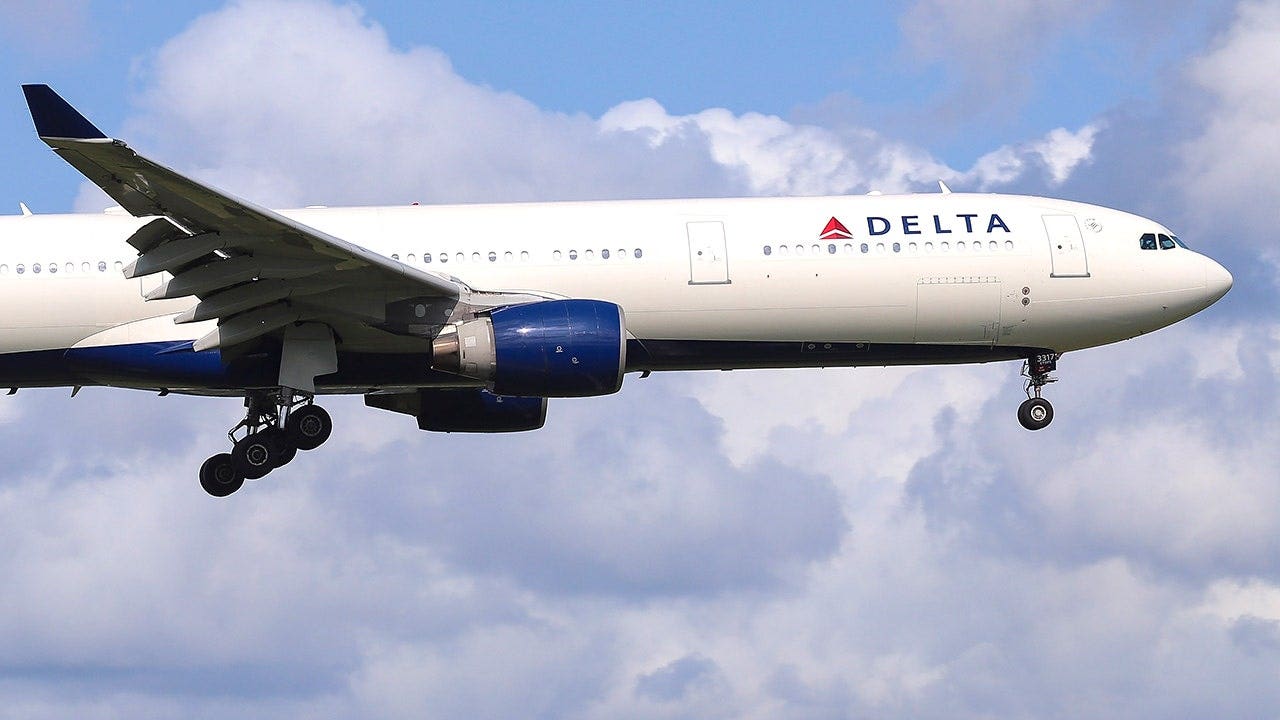
A Boston-bound Delta flight diverted Porto after smoke filled the cabin midair Sunday, prompting an emergency landing in Portugal. Flight DL251 from Barcelona carried 283 passengers on an Airbus A330; three travelers were hospitalized, authorities said, while the jet landed safely and Delta arranged rebooking.
Key Takeaways
- Delta Flight DL251 from Barcelona to Boston diverted to Porto after smoke was detected in the cabin.
- The Airbus A330-300 carried 283 customers and 13 crew members and landed safely Sunday.
- Portugal’s civil protection authority said three passengers were taken to hospital; Delta later said they were discharged.
- The airline cited a reported mechanical issue and is rebooking travelers to Boston.
Travelers expecting a routine transatlantic hop instead faced a midair scare when cabin smoke forced crews to divert. For readers following aviation safety and cabin-environment alerts in our Future Tech & AI Wonders coverage, the episode underscores how quickly mechanical issues can reshape a packed flight’s path.
What happened on the Delta flight diverted to Porto?
According to Delta and reports from Fox News, NBC News, and The Boston Globe, Flight 251 left Barcelona, Spain, bound for Boston on Sunday. Smoke or fumes were detected in the cabin, and the jet diverted to Porto, Portugal.
Flight tracking cited by NBC News and The Boston Globe showed the aircraft departed Barcelona-El Prat around 3:15 p.m. and reached Porto later that afternoon—about 5:45 p.m. local time per Flightradar24 data shared with Reuters, or roughly three hours and 44 minutes after takeoff per FlightAware.
Delta spokesperson Grant Myatt said the diversion followed a “reported mechanical issue,” that the flight landed safely, and that the airline apologized for the delay while working to get customers to Boston as safely and quickly as possible.
How many travelers were hospitalized after the emergency landing?
Accounts of on-scene medical care vary slightly by outlet. A spokesperson for Portugal’s emergency and civil protection authority told Reuters that eight passengers were treated on the tarmac at Francisco Sá Carneiro Airport in Porto and three were taken to hospital. The forced landing was due to smoke in the cabin, the spokesperson said.
The Boston Globe reported that Delta said three passengers were hospitalized and had been discharged by Monday, and that two flight crew members also sought medical attention. Portuguese newspaper Jornal de Notícias, cited by the Globe, reported that as many as 14 passengers received medical attention on the tarmac.
Fox News, citing AFP and Portugal’s civil protection service, said 14 passengers required medical attention after landing and that four were taken to local hospitals for smoke inhalation and were reportedly only “lightly” affected. Delta confirmed the Sept. 27 incident to Fox News Digital but did not comment there on hospitalization figures.
Why does cabin smoke force an emergency diversion?
Airlines treat smoke and fume events as serious even when they are rare. Delta told The Boston Globe that smoke, fume, and odor events can originate from many sources and that the carrier takes them seriously.
The Federal Aviation Administration notes that cabin air is generally as good as or better than air in offices and homes, but that in rare cases mechanical issues—such as failures of an engine oil seal or recirculation fan bearings—can allow fumes into the cabin. Airlines must report such incidents, and the FAA investigates before aircraft return to service, Fox News reported from FAA guidance.
Local emergency personnel met the aircraft on arrival, Delta officials said. The airline said it was working to rebook the 283 passengers on alternative flights to their final destinations.
The diversion came days after a separate Delta flight leaving Boston for London turned around following reports of an odor on board, The Boston Globe noted—on a different aircraft type, with no further details available Monday.