David Walliams named after failed bid to block sex claims
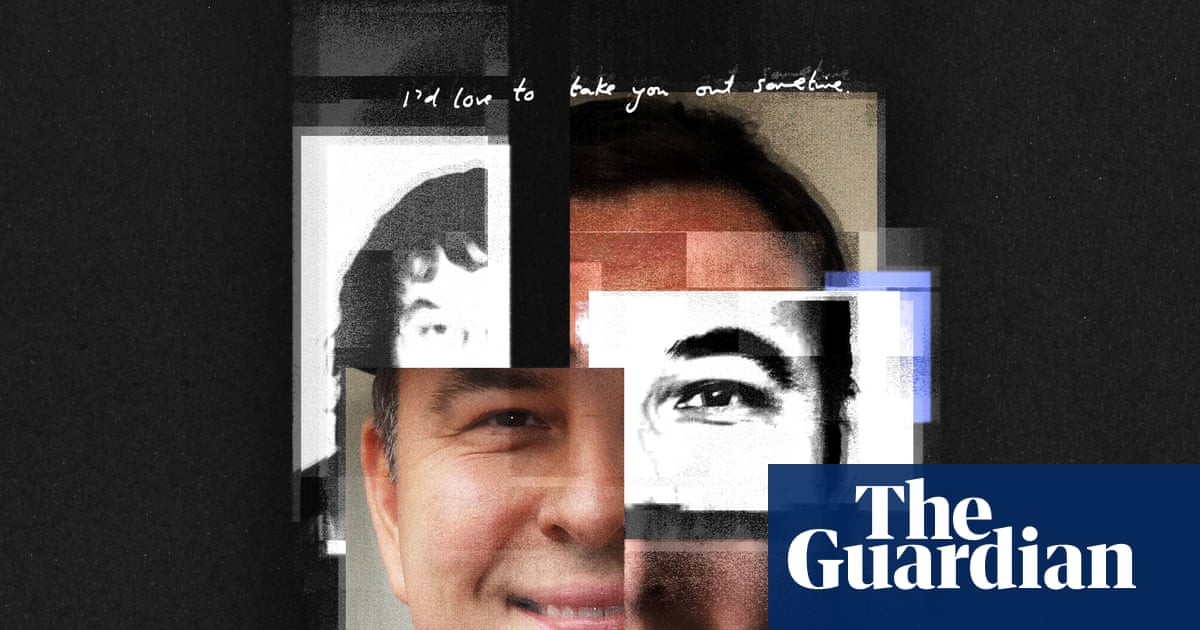
David Walliams has been named as the celebrity who tried to block publication of sexual misconduct allegations, after a High Court bid failed. A Guardian and ITV News investigation alleges he groomed fans as young as 15 and harassed women at work. He denies all wrongdoing.
Key Takeaways
- The comedian and children's author was named after losing a High Court bid to stop The Guardian and ITV News publishing the claims.
- Two women, given the pseudonyms Alex and Jade, allege first contact when they were 15; Walliams' lawyers deny grooming and any sexual contact with Jade.
- Walliams denies being a "sexual predator" but said he "behaved thoughtlessly" in some casual sexual relationships.
- Downing Street called the allegations "deeply troubling."
- HarperCollins previously cut ties with Walliams after concerns about inappropriate behaviour toward young female staff.
The naming ends weeks of anonymity for the star at the centre of a joint media investigation. For more celebrity news, see our celebrity breaking news hub.
What do the allegations against David Walliams claim?
According to The Guardian and ITV News, multiple women say Walliams used fame and status to pursue them for sex when they were teenagers or young adults. Most say they were over 18 during their interactions.
Alex alleges she met him at a fan event at 15, stayed in contact, and that they were having sex by 2006 when she was 17. She says she feels she was groomed. His lawyers deny grooming and say he believed she was 18 when contact resumed.
Jade alleges Walliams messaged her on MySpace at 15, met her in a cafe, asked if she had ever had sex, kissed her, and invited her home, where she says he kissed her and lifted her T-shirt. She says she was not ready for sex. Lawyers deny any sexual contact with Jade.
The outlets also report workplace harassment claims linked to Britain's Got Talent and HarperCollins, including an alleged inappropriate sexual relationship with a junior employee.
Why did the High Court allow him to be named?
Walliams sought an injunction against Guardian News and Media and ITN. His lawyers argued publication could cause irreparable harm to his mental health and cited a right-to-life duty under human rights law.
Mr Justice Nicklin refused the injunction on 3 November, finding risks could be mitigated and that protecting his wellbeing was not the court's responsibility. After no successful appeal, his identity was published on 10 November 2026.
The court did not rule on whether the allegations are true. Walliams retains the right to pursue defamation or privacy claims.
How has David Walliams responded to the claims?
In a letter to journalists, Walliams wrote that a power imbalance is inevitable when one party is famous, but "abusing that power is something else entirely and it is something that I never did."
He added: "I am not a sexual predator. I have not broken the law, but I am devastated that some of the women I met 10 to 20 years ago have now expressed hurt or anger towards me."
BBC reporting quoted Downing Street describing the claims as "deeply troubling" as the government reviewed the coverage.