Cuba electrical grid failure sparks U.S. travel alert
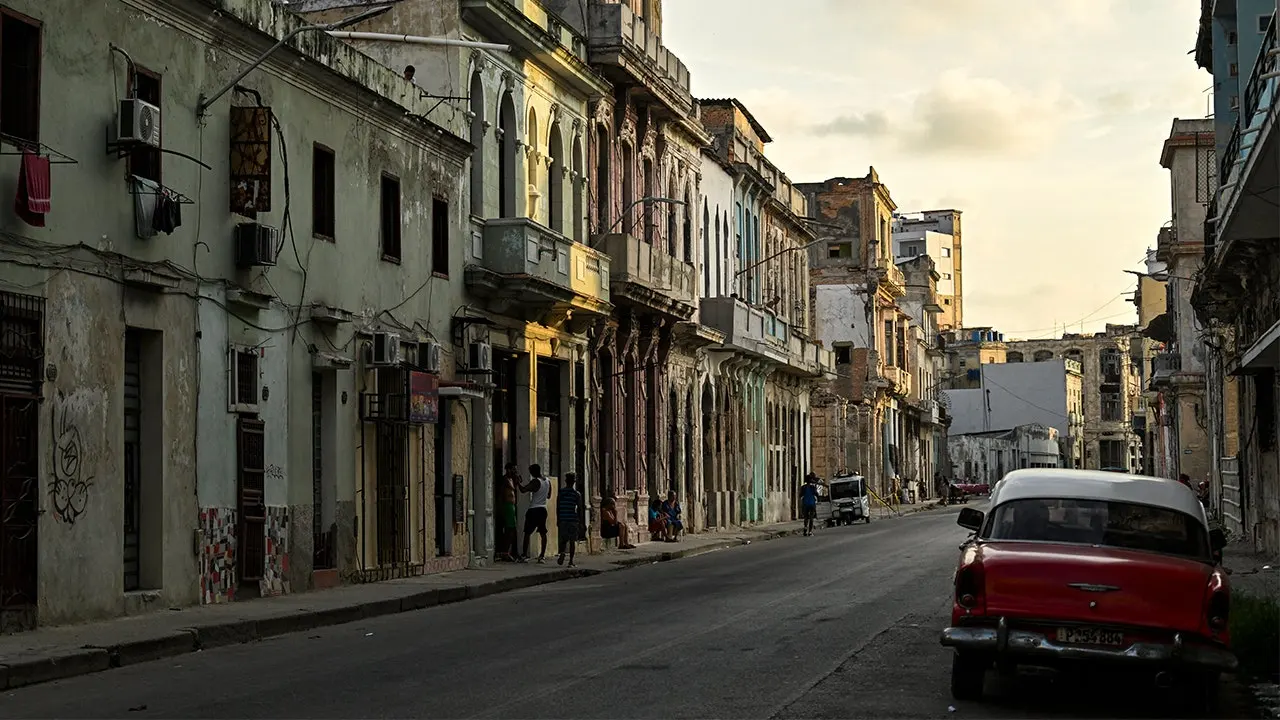
Cuba's electrical grid failure triggered another nationwide blackout, the sixth islandwide collapse of 2026, leaving residents without power in intense heat and humidity. The U.S. Embassy in Havana warned American citizens in Cuba—or planning to travel there—to expect major disruptions and prepare accordingly as authorities work to restore electricity.
Key Takeaways
- Cuba's electrical grid failure produced another nationwide blackout—the sixth islandwide collapse in 2026, with three in July alone.
- The U.S. Embassy in Havana told Americans in Cuba or planning travel to expect major disruptions and prepare.
- Residents faced heat near 93°F that felt like 106°F with humidity, with many sleeping outdoors on Havana's Malecón.
- Rolling outages often exceed 20 hours a day, straining food storage, transport, hospitals, and daily routines.
- Cuban officials have blamed U.S. pressure and fuel shortages; the embassy said the cause and restore timeline were unclear in regime media.
What happened in Cuba's latest electrical grid failure?
According to the U.S. Embassy in Havana, Cuba is experiencing a total power failure after its electrical grid collapsed. Sunday night's outage was confirmed by the state-run energy company and followed sweeping outages across western Cuba, including Pinar del Río, Matanzas, and Havana the day before.
Officials said it was the sixth nationwide grid failure of 2026. Energy authorities had already reported two nationwide collapses in March and three in July, plus several partial outages. Reuters reported that the grid collapsed again during restoration efforts after the Sunday blackout.
Cuban officials have blamed U.S. sanctions and fuel shortages for worsening the crisis, though the embassy noted that, according to Cuban regime media, the reason for the collapse and the timeline to restore power remained unknown.
Why were American citizens warned to prepare?
In a statement obtained by Fox News, the embassy said all U.S. citizens in Cuba or planning to travel there should be aware and plan accordingly. Americans legally traveling to Cuba should expect major disruptions because of the blackout crisis.
U.S. law forbids tourism travel to Cuba, though visits may be allowed under categories such as family visits, journalism, education, religious activities, humanitarian projects, and "support for the Cuban people." A prior State Department advisory referenced prolonged power outages and suggested portable battery banks, spare batteries, and nonperishable food and water.
How are heat and blackouts affecting health and sleep?
The human cost is immediate. On the day of the latest blackout, temperatures hit 93°F (34°C) but felt like 106°F with about 80% humidity, the Associated Press reported via PBS. Without air conditioning, many Cubans slept on Havana's seaside boulevard, the Malecón, or on balconies and porches seeking a breeze.
Recurring outages and stifling heat have fueled collective insomnia. Rolling blackouts now last more than 20 hours a day. Residents worry about frozen food spoiling; public transport in Havana has effectively collapsed with little fuel; and hospitals have sought solar panels to keep lights on. For readers following heat stress, sleep loss, and recovery under strain, see our Longevity & Biohacking coverage.
Construction worker Alexey Ríos García said things were only getting worse and expected another collapse. Physical education teacher Elaine Delis Ramos said hope fades each time the grid fails again: "We don't have any solution."