Crown prince Saudi Arabia must recognise Israel: Trump
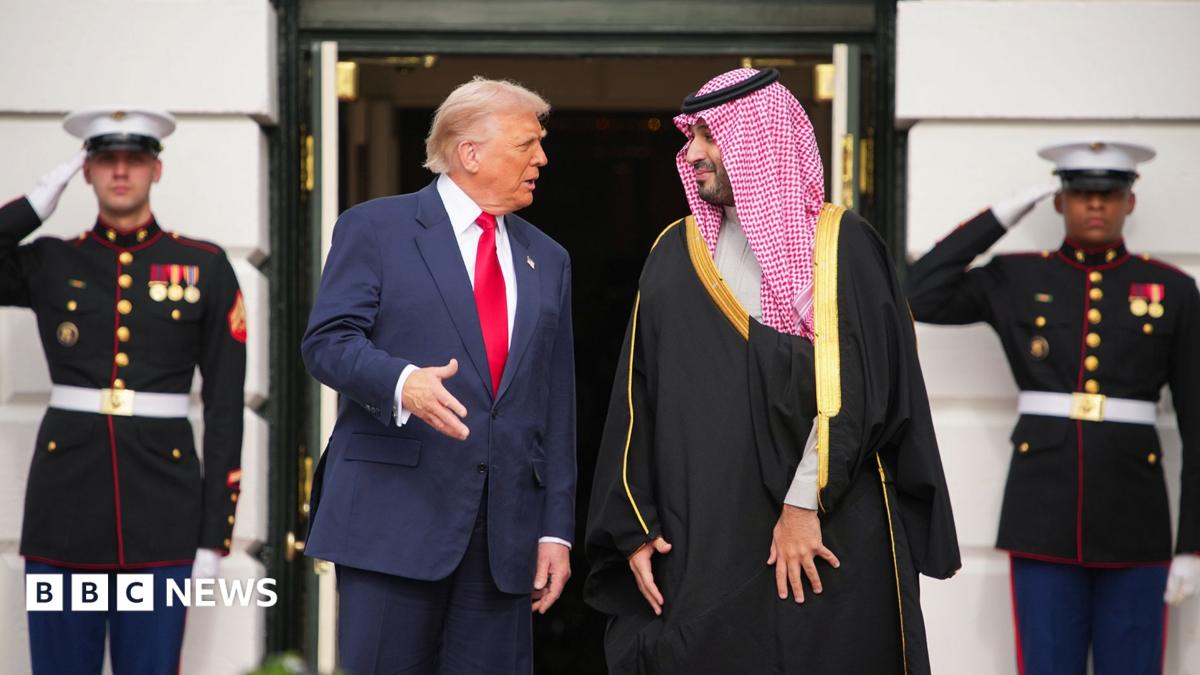
President Donald Trump says a US–Saudi civil nuclear deal will only proceed if Riyadh joins the Abraham Accords and recognises Israel. White House aides warn the pact is off without that step. The crown prince Saudi Arabia leadership has not answered yet, while Trump insists there will be no uranium enrichment under the agreement.
Key Takeaways
- Trump said on Truth Social the civil nuclear deal is “totally subject” to Saudi Arabia joining the Abraham Accords.
- He stressed non-military use only and declared “there will be no enrichment of material.”
- Press secretary Karoline Leavitt said if Riyadh does not join, “the deal is off.”
- Saudi Arabia has not responded; Israel’s Netanyahu office called Accords entry a “historic leap forward.”
- The US Energy Department framed a multi-billion-dollar partnership now headed for Congress review.
What did Trump announce about the Saudi nuclear deal?
A day after Washington and Riyadh unveiled a peaceful nuclear cooperation pact, Trump posted that approval hinges on the kingdom joining the Abraham Accords. Per BBC reporting, he also ruled out enrichment and limited the arrangement to non-military use.
The US Department of Energy said the package includes a peaceful nuclear cooperation agreement and a bilateral safeguards deal—legal groundwork for a decades-long, multi-billion-dollar partnership. The text of the deal has not been released, and it was unclear whether Accords membership was written into the signed documents.
Markets watching Gulf energy and infrastructure flows can track related briefings on BlasterPost’s Fintech & Crypto Alerts hub as Congress reviews the file.
Why does the crown prince Saudi Arabia stance matter now?
White House press secretary Karoline Leavitt said Trump had raised the Accords condition with Saudi leaders before. Al Jazeera reported she did not believe he had spoken with Crown Prince Mohammed bin Salman since the Truth Social post, but she maintained the deal would be cancelled without Accords membership.
Saudi Arabia has long tied any normalisation with Israel to progress toward a Palestinian state. Riyadh’s silence leaves open whether de facto ruler Mohammed bin Salman will accept Trump’s linkage. In 2018, the crown prince told CBS that Saudi Arabia was not planning a nuclear weapon, but would “follow suit” if Iran built one.
How are Israel, Congress and the IAEA reacting?
Prime Minister Benjamin Netanyahu’s office welcomed the Accords push as a historic Middle East peace step, without detailing the nuclear file. Some US lawmakers from both parties flagged proliferation risks, though opponents appear short of votes to block a deal while Republicans control Congress.
The International Atomic Energy Agency said it knows of US–Saudi plans for bilateral civil nuclear cooperation and expects a request to implement verification measures. Trump’s no-enrichment line pushed back against earlier media suggestions that domestic enrichment might be allowed—something nonproliferation experts have called a serious break with past US practice.
Until Riyadh replies, the multi-billion civil nuclear partnership remains politically conditional: Accords entry first, peaceful power second, and enrichment off the table according to the White House.