Court removes ICC prosecutor Karim Khan over misconduct
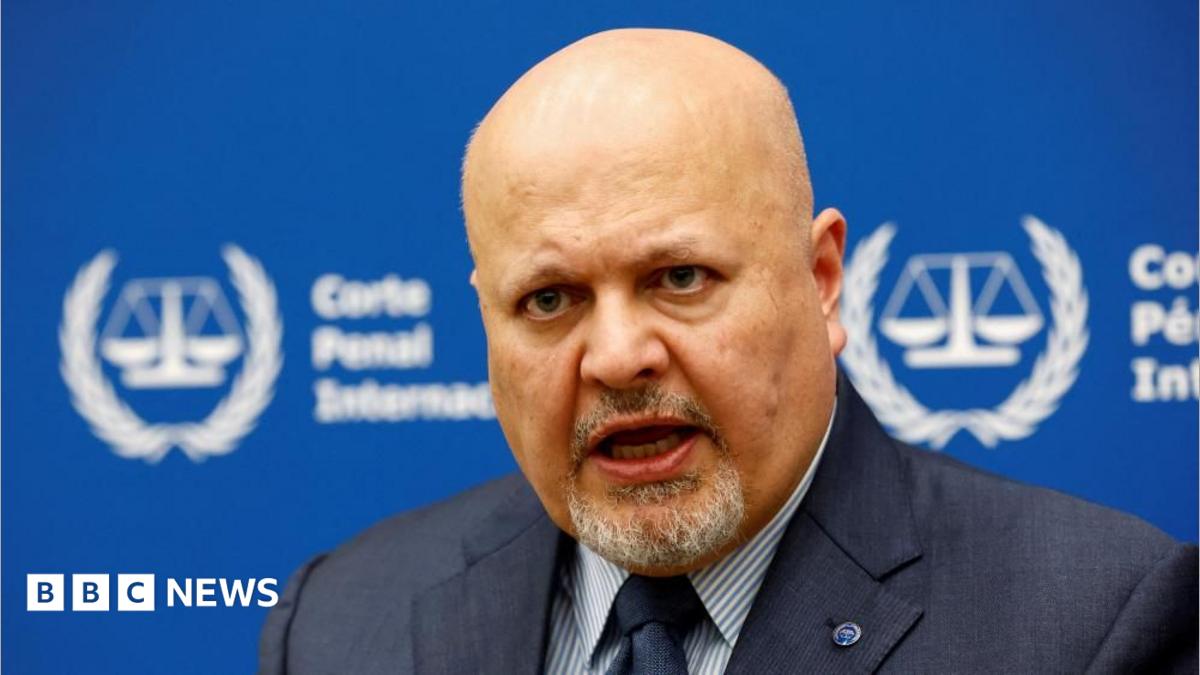
The International Criminal Court has removed Karim Khan as chief prosecutor after 82 of 125 member states voted to dismiss him over sexual misconduct findings. The court's oversight body said he committed serious misconduct. Khan denies the allegations and plans a legal challenge.
Key Takeaways
- ICC member states voted 82 in favour of removing Karim Khan, with 13 against and 11 abstentions, at a special session in New York.
- The court's oversight body found in June that Khan committed a "serious breach of duty and serious misconduct" linked to an improper sexual relationship with a junior staff member and efforts to stop her complaint.
- Khan, elected in 2021, has denied all allegations; his lawyers say they will challenge the lawfulness and fairness of the decision.
- Arrest warrants obtained during his tenure, including those for Vladimir Putin and Benjamin Netanyahu, are unaffected by his removal.
- The court must now appoint a new prosecutor while facing intense political pressure, including a U.S. campaign against the institution.
What did the court decide about Karim Khan?
On Friday, the Assembly of States Parties — the International Criminal Court's 125 member states — voted to fire chief prosecutor Karim Khan. According to sources familiar with the result reported by The Guardian, 82 states backed removal, 13 voted against, and 11 abstained in a secret ballot at United Nations headquarters in New York.
The vote followed Khan's suspension last month. The court's oversight body had concluded in June that he committed a "serious breach of duty and serious misconduct" by engaging in an improper sexual relationship with a junior ICC staff member and seeking to stop her from pursuing her complaint, the BBC reported.
In a statement after the vote, the ICC "took note" of the Assembly decision and said it would "continue to attach the utmost importance to maintaining a safe, inclusive, and respectful working environment for all personnel."
Readers tracking institutional power and global risk stories can also browse related coverage on our Wealth Hacks & Passive Income hub.
Why was the ICC prosecutor removed from the court?
Allegations that Khan engaged in sexual misconduct involving a female staff member were reported to the ICC by a third party in May 2024. The court's Independent Oversight Mechanism opened an investigation, then closed the case after the alleged victim declined to participate. Investigators said there was insufficient evidence at that stage, the BBC reported.
A second referral followed in October 2024. The matter moved to the United Nations Office of Internal Oversight Services, which ran a broader inquiry from November 2024 to December 2025 and generated more than 5,000 pages of evidence and testimony. A panel of three judges later reviewed those findings to advise whether the conduct amounted to serious misconduct, less serious misconduct, or none.
POLITICO reported that an ICC employee accused Khan of coercive sexual behaviour over a 12-month period. The alleged victim, a Malaysian lawyer, spoke publicly in a CNN interview earlier this month, describing "an escalation of attempts" and saying she feared for her job and was afraid to say "no."
The Guardian reported that Khan also faced allegations from a second woman, who told the newspaper he mistreated her while she worked for him as an intern earlier in his career. Khan's lawyers have said he categorically denies having "harassed or mistreated any individual."
How has Karim Khan responded to the court's decision?
Khan has repeatedly denied all the allegations. His lawyer said he would challenge "the lawfulness and fairness of the decision through all available legal mechanisms," according to the BBC. It was not immediately clear what legal avenues remained open.
According to Reuters, cited by POLITICO, Khan called Friday's vote "unlawful, procedurally unfair and unsupported by evidence." Lawyer Tayab Ali said Khan "was never given a fair opportunity to be heard" and that the decision was "unsupported by any lawful or properly reasoned finding," The Guardian reported.
After the allegations first emerged in 2024, Khan's representatives suggested the claims might be part of a plot to discredit him over his decision to seek arrest warrants for Israeli Prime Minister Benjamin Netanyahu and then Defence Minister Yoav Gallant. The ICC's governing body found no evidence the complainant was "being used by third parties, including intelligence agencies." In her CNN interview, the staffer said her complaint was "because of what happened to me, not for any other reason."
What happens next for the International Criminal Court?
Khan, a prominent British lawyer, was elected the ICC's third prosecutor in 2021 for a nine-year mandate. He has been on voluntary leave since May 2025. He remains suspended from practising law in the UK after the Bar Standards Board imposed an interim ban while it conducts its own inquiry.
He could not attend the New York vote because he is barred from entering the United States under sanctions imposed by the Trump administration after the ICC sought arrest warrants for Israeli officials over alleged crimes linked to the war in Gaza, the BBC reported.
The warrants issued by judges during Khan's tenure — including for Russia's Vladimir Putin and Israel's Netanyahu — are unaffected by his removal, The Guardian said. After Khan stepped aside pending the disciplinary process, his two deputies took over the prosecution office, which has about 400 staff. Member states must now elect a new prosecutor.
The scandal has unfolded amid exceptional pressure on the court. Washington recently launched a "whole-of-government" campaign to dismantle the ICC "brick by brick," promising visa bans, asset freezes and diplomatic pressure, according to the BBC. Senior officials in The Hague do not expect U.S. hostility to ease with a change in prosecutor.
For the full vote reporting and institutional reaction, see the BBC's account of the ICC prosecutor's removal. Danya Chaikel of the International Federation for Human Rights called the vote a testament to the complainant's "extraordinary courage in coming forward, despite everything she risked in doing so."
Supporters fear the episode leaves the world's only permanent war-crimes tribunal weaker and more divided just as it faces some of the gravest cases on its docket. The process, as the BBC noted, goes beyond one prosecutor's fate and could reshape how the court is seen worldwide.