Council warns of toxic squishy toys as burn trend spreads
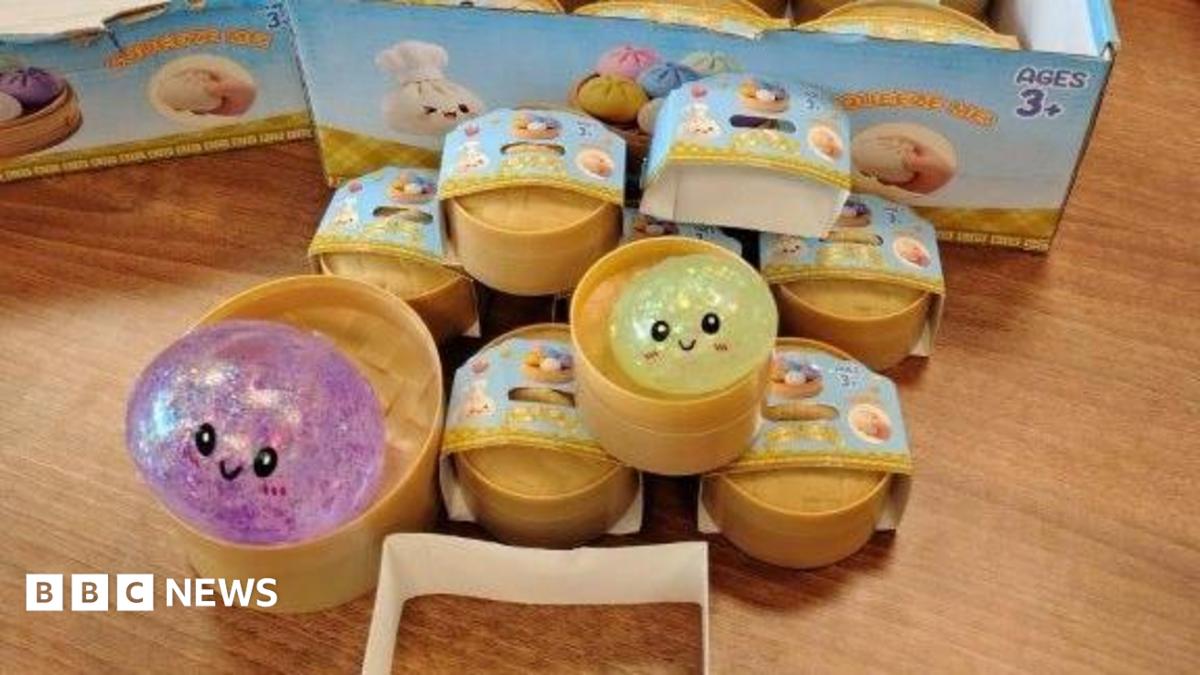
A UK council has warned parents and retailers about potentially toxic, counterfeit “squishy” toys after Trading Standards seized unbranded copies that may not meet safety rules. The warning matters now because a separate viral trend of microwaving squishy toys has already caused serious burns and hospital treatment for children.
Key Takeaways
- Councils say some seized squishy toys lack required traceability and safety markings.
- Similar products elsewhere have been linked to toxic chemicals, including high levels of benzene.
- Doctors in Glasgow report children suffering severe burns after microwaving squishy toys.
- Parents are urged to buy from reputable sellers and never heat these toys.
What did the council warn about?
Northumberland County Council issued a safety alert after Trading Standards seized potentially toxic “squishy” toys. The council said the items were unbranded copies of popular products including Squishy Dumplings and NeeDoh, and they lacked legally required traceability information used to show compliance with UK safety standards.
Councillor Gordon Stewart, cabinet member for public safety, urged parents to be vigilant and to make sure they were buying genuine toys, warning that cheaper squishy toys “may look harmless” but could pose “a hidden risk to children.” Trading Standards officers were also reported to be visiting stores to ensure retailers remove the items from shelves. (Primary reporting: BBC.)
Why are squishy toys suddenly linked to serious burns?
Alongside concerns about counterfeit or non-compliant products, medical experts have warned about a dangerous online trend that encourages children to microwave squishy toys to make them softer. According to doctors and burns specialists cited in UK reports, heating can cause pressure to build inside the toy, increasing the risk it may burst and release very hot gel.
STV News reported that the Royal Hospital for Children (RHC) in Glasgow treated six children with injuries linked to the trend over the past eight months, with some needing surgery including skin grafts. The Independent similarly reported six cases at the RHC, including children who required skin grafts after heated toys burst and spilled hot, sticky contents.
STV named eight-year-old Joseph Erskine, from Clackmannanshire, who needed weeks of treatment and a skin graft after a toy burst across his chest and hand in May, and 11-year-old Scarlet Rowe from Irvine in North Ayrshire, who was treated for burns to her face and eyelid after a similar incident. Burns nurse Sharon Ramsay said staff were seeing a “growing number of children with preventable injuries,” warning the contents can “explode and stick to the skin,” causing deep burns that may require long-term treatment and can leave permanent scarring.
How can parents spot risky or counterfeit squishy toys?
The BBC report said Trading Standards advice includes checking that toys have the name and address of a UK-based importer (or EU-based manufacturer) and a mandatory CE or UKCA marking showing the product has met safety requirements. The council also warned that seized items were unbranded and had not gone through the usual safety checks.
Parents are also being urged to avoid viral “hacks” that contradict safety guidance: council and medical warnings are clear that these toys should never be heated. For more coverage of internet-driven product trends and safety knock-on effects, see our Future Tech & AI Wonders section.
What should you do if your child already has one?
Based on the official guidance quoted in these reports, the practical steps are straightforward: don’t microwave squishy toys, supervise use, and check packaging and labels for required markings and traceability details. If a toy looks unbranded or lacks the information Trading Standards expects, treat it as a potential risk and avoid using it.
As councils investigate supply chains and enforcement expands, the bigger message is that a “cheap” squishy can be costly—especially when counterfeit products, missing safety information, and viral misuse collide.