Colorado fires reshape summer races as Hardrock 100 goes on
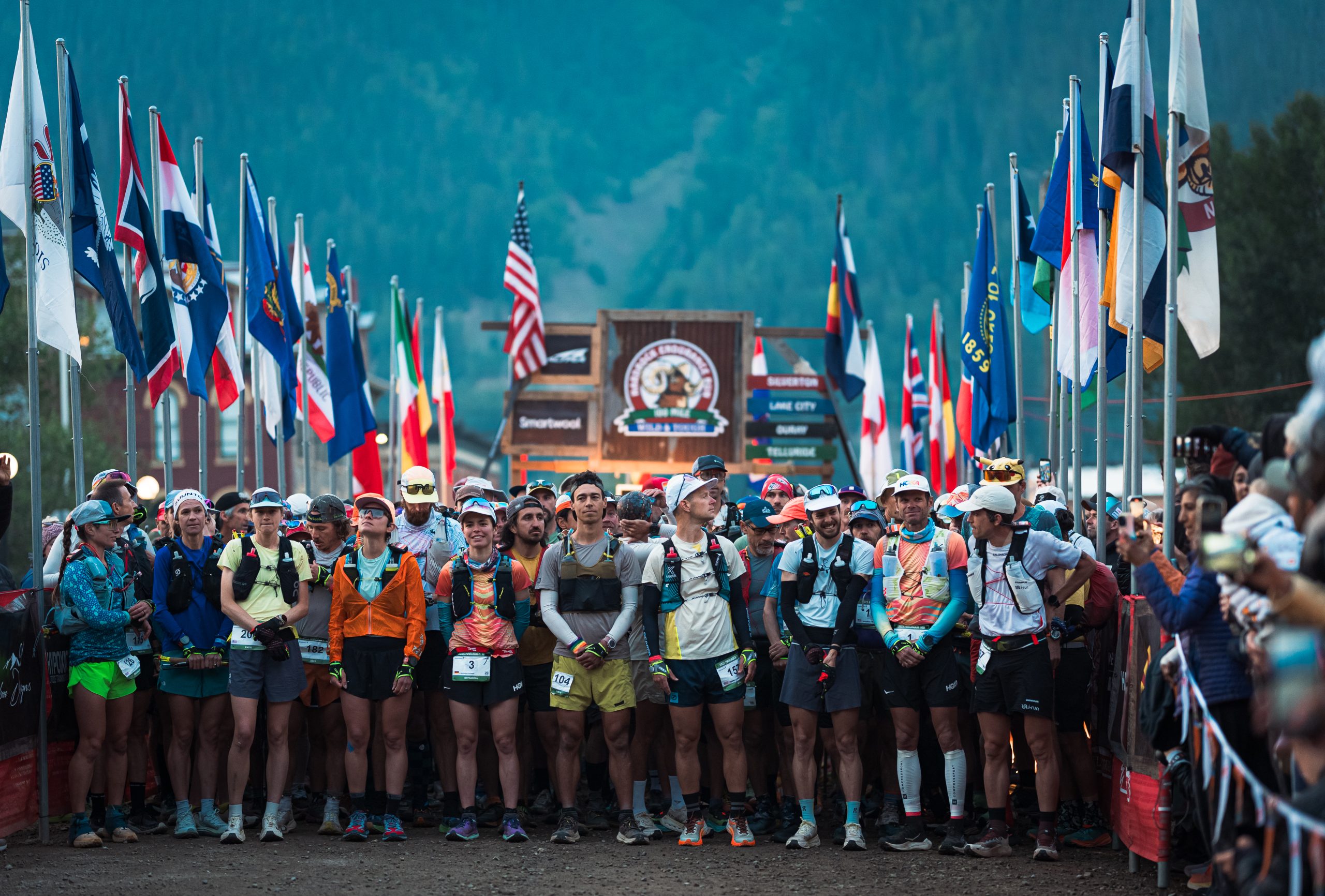
Colorado wildfires have pushed race directors to cancel or postpone major summer endurance events—including the Ouray 100 and Leadville's Silver Rush—while the Hardrock 100 is still set to start July 10 in Silverton after organizers concluded it could proceed safely amid nearby fire conditions. Smoke, evacuations, and stretched emergency resources are forcing a statewide rethink of when mountain races can responsibly go forward.
As the Gold Mountain Fire burns north of Ouray and east of Highway 550, southwestern Colorado has filled with smoke, public lands have closed, and organizers face a summer defined less by start lines than by hard safety calls. For athletes, volunteers, and the towns that host iconic trail races, the stakes extend well beyond any single weekend.
Key Takeaways
- The Gold Mountain Fire had burned more than 32,000 acres and was 8% contained as of Thursday morning, prompting cancellations including the Ouray 100 and Leadville's Silver Rush mountain bike and ultramarathon events.
- Hardrock 100 race director Dale Garland secured approval from nine separate agencies to proceed with the July 10 start, while August's Leadville Trail 100 remains in limbo.
- The 2026 Hardrock 100 features 147 runners on a clockwise 102-mile loop with more than 33,000 feet of elevation gain through the San Juan Mountains.
- British ultrarunner Tom Evans enters with simulated-altitude training behind him and Grand Slam ambitions, facing two-time defending champion Ludovic Pommeret.
- Race postponements and reroutes are rarely simple because permits tie events to specific dates, courses, and public-safety staffing plans.
Why are Colorado race directors canceling summer events?
Wildfire season has collided with Colorado's dense summer race calendar. The Gold Mountain Fire, burning north of Ouray and east of Highway 550, had scorched more than 32,000 acres and was only 8% contained as of Thursday morning, according to The Colorado Sun. Smoke has blanketed parts of southwestern Colorado and closed public lands, disrupting events far from the flames themselves.
Marquee endurance events including the Ouray 100 and Leadville's Silver Rush mountain bike and ultramarathons were called off. State officials have urged residents and visitors to check conditions before heading outdoors as drought and extreme heat compound fire risk across Colorado. For race directors, the question is whether holding an event would pull resources away from communities already under strain.
Longtime Hardrock race director Dale Garland told The Colorado Sun that organizers statewide are weighing what is best for emergency resources and for the communities that host them. That balancing act is likely to continue through the rest of the summer as wildfires, smoke, and shifting conditions force difficult calls about whether marquee endurance events can safely go forward.
How is the Hardrock 100 still going ahead despite wildfires?
While neighboring races fell, Hardrock organizers determined the iconic 100-miler could safely move forward. Garland, who has led the event through its 35-year history, said the decision extended far beyond the race organization itself. Hardrock requires permits from three towns, four counties, the U.S. Forest Service, and the Bureau of Land Management—nine separate agencies in all.
That permitting web helps explain why many canceled races cannot simply pick a new weekend or reroute. Events must file precise course details, safety procedures, and staffing plans tied to specific dates. Changing any element can jeopardize mutual-aid agreements and land-agency approvals that took months to secure.
The 2026 Hardrock 100 starts at 6:00 a.m. Mountain Daylight Time on Friday, July 10, in downtown Silverton. This year's 147 runners will travel a clockwise 102-mile loop through Telluride, Ouray, and Lake City, climbing more than 33,000 feet before returning to kiss the rock. For Garland, organizing a mountain race increasingly means adapting to conditions far beyond the course itself.
Who are the top contenders at the 2026 Hardrock 100?
The men's race centers on two-time defending champion Ludovic Pommeret of France, who set a clockwise course record of 21:33 in 2024. He faces Britain's Tom Evans, who won the 2023 Western States 100 and the 2025 UTMB. A Hardrock victory would leave only Diagonale des Fous between Evans and ultrarunning's four-race Grand Slam—a feat only Kilian Jornet, Courtney Dauwalter, and Katie Schide have completed, per iRunFar's 2026 preview. Jimmy Elam also enters as a leading American challenger.
On the women's side, Courtney Dauwalter returns after a year away from Hardrock. She won in 2022, 2023, and 2024, and her 26:11 clockwise finish remains the race's second-fastest ever. Katie Schide, the 2025 winner and overall record holder at 25:50, is not racing as she continues recovering from injury. Careth Arnold, last year's TDS winner, and Tara Dower—who raced Western States just 13 days earlier—head the field chasing Dauwalter.
Evans lives at sea level in the U.K., making altitude the defining challenge of his build. Coach Scott Johnston told Canadian Running Magazine that laboratory testing showed strong adaptation after months of simulated-altitude work, including hypoxic treadmill sessions. Now in Colorado, Evans has shifted to course reconnaissance and real elevation exposure ahead of a race held at an average elevation above 3,350 metres.
What does fire season mean for Colorado's race economy?
Canceled starts ripple through mountain towns that depend on summer race weekends. When the Ouray 100 and Silver Rush events are called off, local lodging, restaurants, and gear shops lose traffic that athletes, crews, and spectators would have brought. Runners who booked travel and time off absorb costs that entry refunds alone rarely cover.
For operators building year-round tourism around endurance sports, volatility is becoming a planning line item. Garland's reminder—that mountain racing now means adapting to conditions far beyond the course—applies equally to municipal budgets and athletes weighing whether Colorado summer starts are worth the gamble. Readers tracking how disruption reshapes outdoor-event economics can follow more coverage in our Wealth Hacks & Passive Income section.
August's Leadville Trail 100 still hangs in the balance as fires, smoke, and heat persist. Evans, meanwhile, will need two to three weeks of recovery after Hardrock before a short rebuild ahead of UTMB just six weeks later—proof that even when the start gun fires, Colorado's fire season keeps rewriting the summer script for everyone on the calendar.