What the CIA chief's secret Moscow trip means for Vladimir Putin
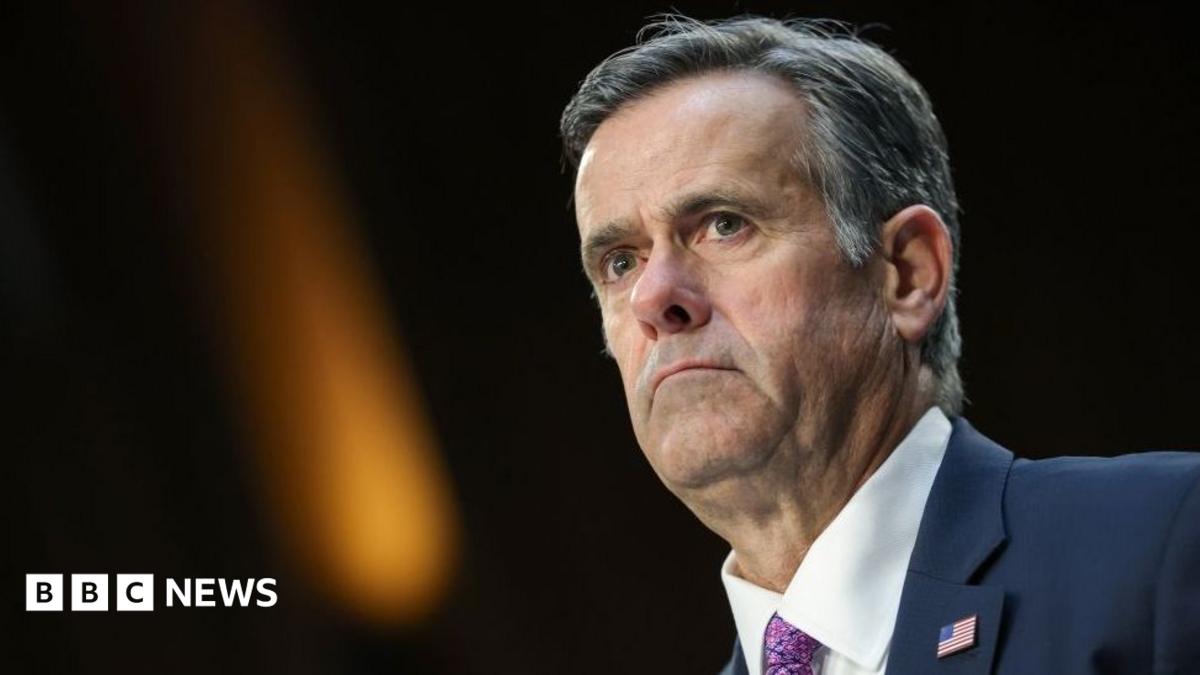
DIRECT ANSWER: CIA Director John Ratcliffe flew unannounced to Moscow on a US military plane in late August 2026 to meet Russian spy chief Sergei Naryshkin, in a mission widely reported as a direct warning to Vladimir Putin's government against escalating the Ukraine stalemate or testing NATO allies—even as President Donald Trump publicly called the visit semi-routine.
The Kremlin confirmed the trip on Wednesday after Ratcliffe arrived Tuesday, marking the first CIA director visit to Russia since William Burns warned Putin before the 2022 Ukraine invasion. For markets and security watchers tracking geopolitical risk in fintech and global trade, the unusually secret mission signals elevated East-West tension at a delicate moment.
Key Takeaways
- Ratcliffe met Sergei Naryshkin but did not meet Putin, the Kremlin said.
- US officials reportedly warned Russia against escalatory action toward NATO, especially the Baltic states.
- Trump denied the trip concerned Iran sanctions or fears Putin would test NATO resolve.
- The visit follows Ukrainian deep strikes on Russian energy infrastructure and rising hybrid threats in Europe.
- Washington has declined official comment; the CIA last made this journey nearly five years ago.
Why did the CIA director travel to Moscow?
Neither the White House, CIA, Pentagon nor US Air Force commented on the mission. The Kremlin spokesperson Dmitry Peskov confirmed Ratcliffe's arrival after he took off from Andrews Air Force Base in Maryland.
Reporting from multiple outlets, including the BBC and Wall Street Journal, cited officials who said the primary purpose was to warn Moscow against any escalatory action—especially against Estonia, Latvia and Lithuania. One US official told Politico the meeting was primarily to warn Russia against any escalatory action against the Baltic states.
Ukraine's long-range drone strikes have hammered Russia's energy sector, bringing the war home to ordinary Russians through fuel shortages and refinery fires. US intelligence assessments have also reportedly considered whether Putin might order a limited probe of NATO resolve, making the timing of Ratcliffe's dash across 10,000 miles especially significant.
Did John Ratcliffe meet Vladimir Putin?
Peskov told reporters that Ratcliffe did not meet the Russian president. Instead, the CIA chief held talks with Naryshkin, who leads Russia's overseas intelligence service—the institutional counterpart to the CIA in Moscow's spy apparatus.
That channel mirrors Burns's November 2021 trip, when the then-director warned Putin of consequences if Russia invaded Ukraine. Putin proceeded with the full-scale invasion three months later, underscoring the limits of intelligence diplomacy even at the highest level.
What does Trump's 'semi-routine' comment mean?
Speaking to conservative host Glenn Beck, Trump rejected speculation that Ratcliffe traveled to secure Russian support for intensified US sanctions on Iran or because Washington feared Putin would test NATO. "None of the above," Trump said, calling the visit "very sort of semi-routine."
He added that both sides want the Ukraine war to end and that "something may come out of it." Yet analysts note there is nothing routine about a secret CIA chief mission during a period when a Russian foreign ministry spokeswoman threatened British military targets and security experts linked a drone found at Leipzig airport to Moscow.
How does this affect NATO and global markets?
Observers say part of Ratcliffe's message may have been to reaffirm US commitment to NATO's Article 5 mutual-defence pledge, at a time when Trump has occasionally expressed scepticism toward the alliance. Lithuania's Suwalki Gap—a narrow corridor separating Belarus from Kaliningrad—remains a focal point for Kremlin military planning.
Peskov called intelligence contacts a positive phenomenon but said it was premature to expect a broader thaw in US-Russian relations. With Washington imposing secondary sanctions on countries trading with Iran—a policy requiring cooperation from Moscow and Beijing—financial and energy markets remain exposed to any further escalation. Until US officials offer a clear readout, the trip's full impact stays uncertain, but few doubt something serious prompted it.