Chris Philp says French boat fired shots in Channel interview
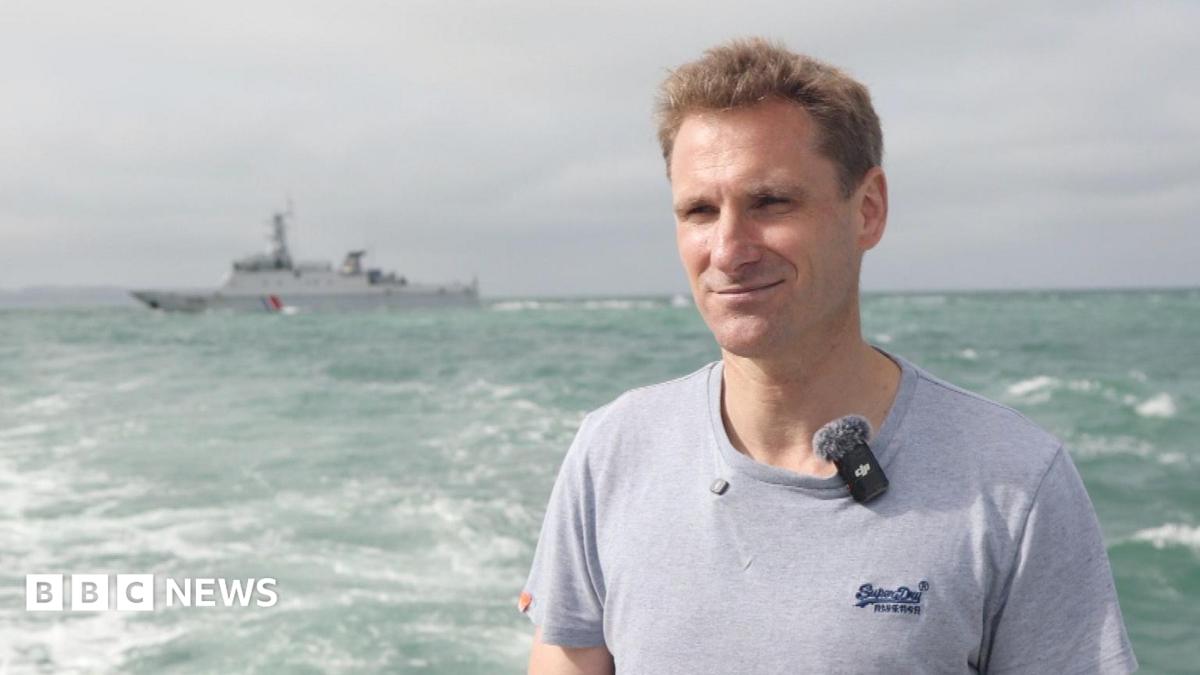
Shadow Home Secretary Chris Philp says a French Navy patrol boat appeared to fire about 17 gunshots during a BBC interview in the English Channel on 28 July 2026. France's coastguard called it a training exercise unrelated to the British vessel, which it said was out of range. The UK Home Office is seeking clarity.
Key Takeaways
- Chris Philp was mid-interview with the BBC about small boat crossings when noises sounding like 17 successive gunshots were heard.
- A French officer was seen pointing a pistol toward the sea from patrol boat PSP Flamant, about 300m away and roughly three miles off the French coast.
- France's coastguard said the vessel was in a training exercise, not monitoring migrant boats, and that the British craft was out of range of fire.
- Philp called the episode an intimidation tactic or warning shots and said he would raise it with the French ambassador.
- A Home Office spokesperson said UK officials are in contact with French authorities to understand the full context.
What happened during the Chris Philp Channel interview?
On the morning of 28 July 2026, Shadow Home Secretary Chris Philp was on a fishing boat in the English Channel being interviewed by BBC journalist Michael Keohan about small boat crossings.
At about 09:15 BST (10:15 CET), a French Navy patrol boat passed nearby. According to the BBC report, noises that sounded like 17 gunshots fired in succession were heard in the background of the interview.
An officer on the French vessel was seen pointing a pistol at the sea. Keohan said that is believed to be where the shots came from. The French ship was approximately 300 metres from the boat carrying Philp and the BBC team, about three miles from the French coast.
Keohan described it as "the most unusual moment... in the quiet of the Channel" when the gunshots rang out mid-interview. He said there was no warning for their boat and no signs given that this was the French vessel's intention. "Even now it's still not clear what the patrol boat was aiming at," he added.
The fishing boat's captain, Matt Coker, told reporters he had "never seen anything like it before."
What has Chris Philp said about the shots?
Philp said the episode felt like an intimidation tactic or warning shots. He said it "felt to me like an attempted intimidation to stop us covering migrant crossings."
After the incident, he argued that France showed more force toward a visiting British politician than toward people-smuggling networks. "It is extraordinary that the French navy will fire live rounds to defend their waters against a visiting British politician but cannot bear to do anything about stopping illegal Channel crossings," he said.
"If France showed people smugglers half the seriousness they showed me, the boats would stop," Philp added. "Instead, the French wave them through and pass them off to the British coastguard so it's our problem."
He said he would raise the issue with the French ambassador. The confrontation quickly became a political flashpoint in the wider Channel crossings debate that dominates UK security and migration headlines—coverage readers also track alongside Wealth Hacks & Passive Income stories on how policy and risk shape money and mobility decisions.
How has France explained the gunfire near Chris Philp?
France's coastguard identified the vessel as PSP Flamant and said it was taking part in a training exercise. Officials said the activity was unrelated to the presence of a British ship in the area and that the British craft was out of range of fire.
The coastguard also said Flamant was not engaged in an operation to monitor migrant boats. That account directly conflicts with Philp's claim that there was no notice of a live-firing exercise and that the shots felt like a warning aimed at deterring media coverage.
For authoritative primary reporting of the timeline, quotes, and the French response, see the BBC News account of the Channel interview incident.
Why does this Chris Philp incident matter for Channel policy?
The episode lands in an already tense UK–France conversation about who stops small boats before they reach British waters. Philp used the moment to argue that French authorities are willing to project force near a British politician and film crew but, in his view, fail to apply similar seriousness to people smugglers.
Whether the gunfire was routine training—as Paris says—or something closer to a warning—as Philp alleges—the optics are damaging for cross-Channel trust. A Home Office spokesperson said: "We are in contact with the French authorities to understand the full context of this incident."
That diplomatic follow-up matters because Channel enforcement depends on joint procedures, radio warnings, and clear notices when live firing or exercises occur. Keohan's account that no warning was given to their boat is now part of the public record the two governments must reconcile.
Earlier this month, the BBC noted a separate live-fire episode involving a Russian warship shadowed by a Royal Navy vessel about 46 miles (74 km) south of Plymouth—underscoring how live rounds at sea, even when labelled exercises, quickly become political news when they occur near civilian or media craft.
Until French and British officials publish a fuller joint account, the core facts remain those captured on the BBC recording: successive shots heard mid-interview, a pistol pointed seaward from Flamant at close range, and sharply different interpretations from Chris Philp and the French coastguard.
For readers following UK politics, migration enforcement, and the economic stakes of Channel instability, the takeaway is straightforward. Chris Philp left the scene promising to escalate the matter diplomatically, while the Home Office seeks official clarification and France insists the firing was training conducted out of range of the British boat.