Prosecutors call Charlie Kirk murder evidence 'devastating'
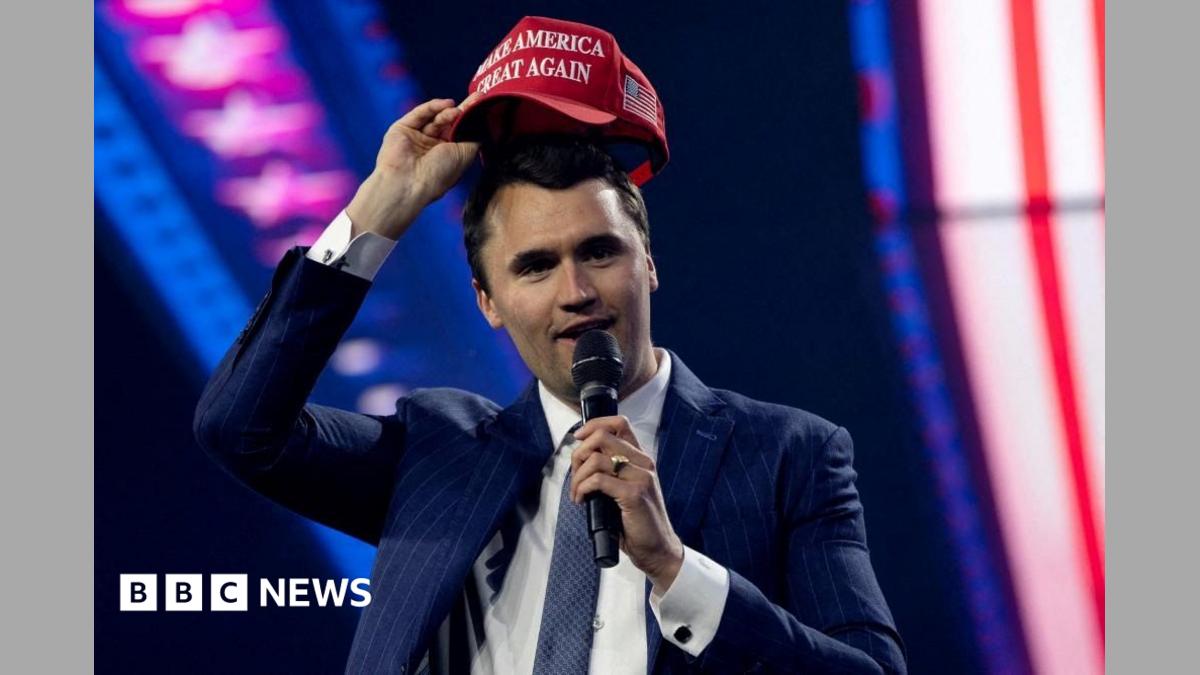
Prosecutors told a Utah judge they have "devastating" evidence tying Tyler Robinson, 23, to the September 2025 killing of Charlie Kirk, including campus surveillance, DNA on a rifle, and alleged confessions to his roommate. Judge Tony Graf will decide whether the aggravated murder case proceeds to trial on 1 September. The five-day preliminary hearing in Provo offered the fullest public picture yet of the case against Robinson, nearly ten months after the Turning Point USA co-founder was shot at Utah Valley University.
Key Takeaways
- Chief Deputy Utah County Attorney Chad Grunander said four days of testimony showed the evidence against Robinson was "overwhelming" and "devastating."
- Prosecutors presented surveillance footage, DNA linking Robinson to a Mauser rifle, engraved cartridges, and texts and a taped interview with roommate Lance Twiggs.
- Twiggs testified Robinson admitted the shooting, cried, and said he wished he had not done it the day after Kirk was killed.
- Robinson's defence challenged DNA and ballistics evidence but did not offer an alternative suspect; he has not entered a plea.
- Judge Tony Graf set 1 September for closing arguments on whether there is probable cause to send the death-penalty case to trial.
What evidence did prosecutors present against Tyler Robinson?
During the weeklong hearing, the Utah County Attorney's Office displayed campus surveillance video that investigators said showed Robinson on Utah Valley University's campus four times around the time Kirk was shot. State Bureau of Investigation Agent David Hull testified that footage showed Robinson rolling onto the Losee Center rooftop, lying prone, and later leaving with an unknown object in his hand.
Law enforcement recovered a Mauser Model 98 rifle wrapped in a towel in a wooded area near campus. Testing indicated it was at least one trillion times more likely Robinson's DNA was on the weapon than not, according to testimony cited by BBC News. Engraved bullets and cartridges found at the scene and at Robinson's residence bore messages such as "Hey Fascist! Catch!"
What did Robinson's roommate tell the court?
Prosecutors played a redacted April video interview with Lance Twiggs, Robinson's former roommate and romantic partner. Twiggs told investigators that on 11 September 2025, the day after Kirk was fatally shot in the neck while addressing a crowd, he asked Robinson whether what he had said the night before was true.
Twiggs testified Robinson confirmed it, "started crying a little bit and said he wishes he hadn't done it," then paced around the apartment as if trying to distract himself. Text messages shown in court included Robinson writing, "I am, I'm sorry," after Twiggs asked whether he was the shooter, and a handwritten note stating he "had the opportunity to take out Charlie Kirk, and I took it."
Why did the hearing turn into a fight over transparency?
Proceedings were repeatedly delayed by disputes over whether evidence could be admitted and broadcast from the courtroom. Erika Kirk, Charlie Kirk's widow, urged Judge Graf to display every exhibit openly, arguing that redactions and withheld material fuel conspiracy theories and erode public trust.
The judge allowed a partly redacted version of Twiggs's interview, citing a need to protect fair-trial rights for Robinson, who has not entered a plea. Kirk's family released a statement after court adjourned saying they pray "truth will continue to be heard through a process that is fair, transparent, and grounded in the facts." For more coverage of high-profile criminal cases, see our True Crime & Unsolved Mysteries section.
When will a judge decide if the Charlie Kirk case goes to trial?
Both sides must now submit written briefs before Judge Graf hears closing arguments on 1 September. The hearing is not a guilt-or-innocence trial; Graf must decide whether prosecutors have shown probable cause to try Robinson on aggravated murder and related charges, which could carry the death penalty in Utah.
Robinson surrendered on 11 September 2025, accompanied by his parents and a family friend, and was formally booked two days later. His defence team spent the week questioning expert testimony and DNA protocols, but prosecutors argued the combined record already met the threshold to move forward.