Cathay Pacific orders 14 more Airbus jets in HK$150bn push
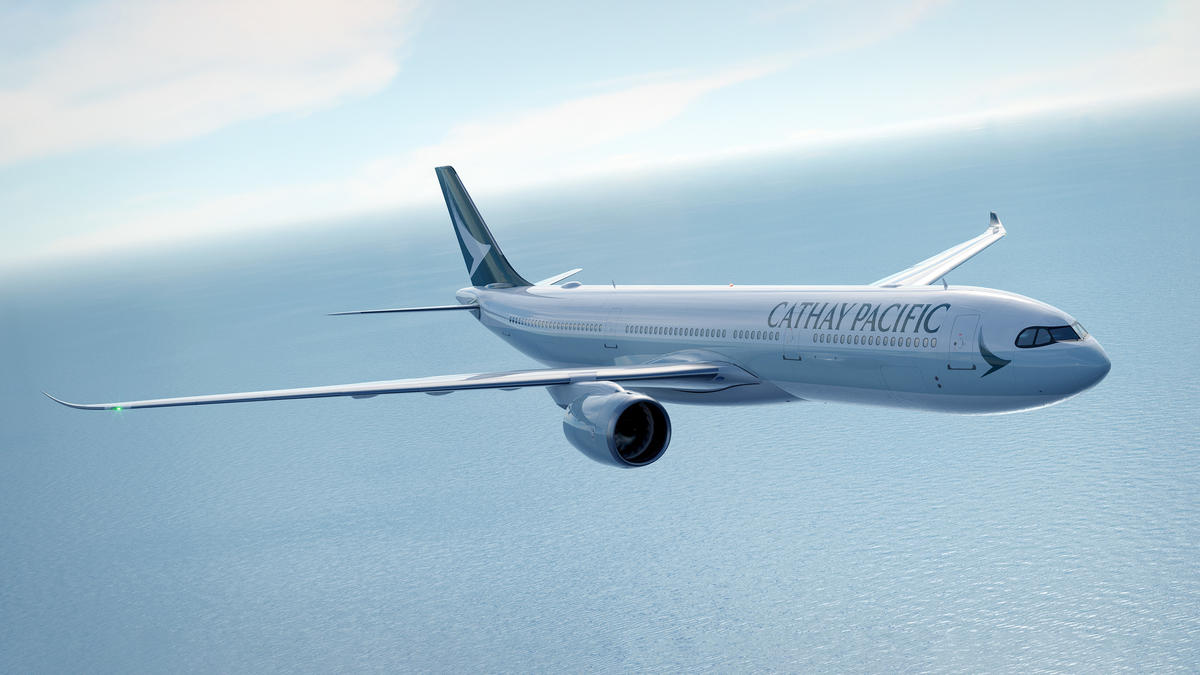
Hong Kong's Cathay Group has placed a firm order for 14 additional Airbus aircraft—11 A330-900s and three A321neos—taking Cathay Pacific–linked investment commitments above HK$150 billion through 2035 and lifting planned aircraft deliveries from 2026 to 120 jets as the airline modernises for regional and longer-haul growth. The 11 November 2026 announcement from Toulouse marks another concrete step in fleet renewal for Asia's premium Hong Kong carrier.
Key Takeaways
- Cathay Pacific's parent ordered 11 A330-900s and three A321neos from Airbus in a firm deal.
- Total firm A330-900 commitments rise to 41 after the Group's 2024 order for 30 of the type.
- Investment commitments now exceed HK$150 billion (about US$19 billion) for the decade to 2035.
- Planned deliveries from 2026 climb to 120 aircraft, toward a conditional 150-jet, 150-destination plan.
- The jets are pitched for Asia-Pacific growth, longer-haul flexibility, comfort, and lower fuel burn.
What did Cathay Pacific order from Airbus?
According to Airbus, the Cathay Group's firm order covers 11 additional A330-900s and three A321neos. The widebodies build on a 2024 order for 30 A330-900s, taking the Group's total firm commitment for that type to 41.
The three extra single-aisle A321neos sit on top of a previous 2023 order for 32 A321neo and A320neo aircraft. Airbus frames the package as fleet modernisation and expansion, not a one-off capacity spike.
Cathay Chief Operations and Service Delivery Officer Alex McGowan said the A330 and A320 families have served the Group well and that the latest order enables further expansion and upgrades. He pointed to regional Asia-Pacific operations, more flexibility for longer flights, and stronger connectivity at the Hong Kong home hub.
South China Morning Post reported that the same orders are meant to support growth at flagship Cathay Pacific and budget arm HK Express. That dual-brand angle matters for anyone tracking how capital is split between premium long-haul and short-haul leisure traffic.
Why does the HK$150 billion commitment matter for wealth watchers?
SCMP put the headline number in investor-friendly terms: total investment commitments now top more than HK$150 billion, or about US$19 billion, for the decade to 2035. That is a multi-year capital story, not a single delivery-year splash.
Group chief executive Ronald Lam Siu-por said the new orders lift total aircraft deliveries from 2026 to 120. He added that the Group is moving closer to a plan of 150 new aircraft deliveries and a network serving 150 destinations over the next 10 years, if market conditions are favourable.
For readers who follow capital allocation themes in our Wealth Hacks & Passive Income coverage, the signal is straightforward. Cathay Pacific's parent is locking in long-dated fleet spend to defend Hong Kong's hub role while chasing denser regional and flexible longer-haul flying.
None of the disclosed statements amounts to a stock tip. They do show management willing to commit hard capital toward a 10-year network ambition tied to market conditions.
How will the new jets help Cathay Pacific grow its network?
Airbus says the fuel-efficient, latest-generation aircraft will support the Cathay Group's regional and longer-haul operations while enhancing passenger comfort and contributing to sustainability goals. That mix is useful if Asia-Pacific demand rises unevenly across short and medium sectors.
Airbus EVP Sales Benoit de Saint-Exupery called the order a strong endorsement from an experienced A330ceo and A320 Family operator. He said the A330-900 and A321neo together give flexibility to match capacity to demand, with lower fuel burn and the efficiencies of a streamlined Airbus fleet.
McGowan's comments echo that flexibility story: more Asia-Pacific regional flying plus the option to stretch missions when markets allow. For passengers, that can mean denser schedules from Hong Kong; for the Group, it is about matching capacity to routes with newer jets.
SCMP's reporting on support for both Cathay Pacific and HK Express suggests the Group wants the flagship and the low-cost brand to share the expansion upside across regional services.
What efficiency and comfort gains do the aircraft claim?
Airbus highlights that the A330neo is powered by Rolls-Royce Trent 7000 engines and is designed to fly up to 8,100 nautical miles, or 15,000 kilometres, non-stop. The manufacturer says the type reduces fuel burn, CO₂ emissions, and operating cost by 25% compared with previous-generation competitor aircraft.
The A330neo Airspace cabin is marketed as a modern in-flight product for passengers and crews. On the single-aisle side, Airbus notes the A320 Family has won nearly 20,600 orders globally, with the A321neo as the largest member offering strong range and performance.
Airbus claims the Family offers at least 20% fuel savings and CO₂ reduction versus previous-generation single-aisle jets, alongside one of the widest single-aisle cabins. Those manufacturer figures are efficiency claims, not Cathay Pacific's own audited results—but they explain why neo-family jets sit at the centre of the Group's renewal narrative.
Put together, the order is less about novelty branding and more about repeating a known platform bet: more A330-900s and A321neos to cut fuel intensity, refresh the cabin product, and keep Hong Kong connected as deliveries ramp from 2026 onward.
What should travellers and market watchers watch next?
The immediate facts are firm: 14 more Airbus jets, 41 total A330-900s on firm order, three more A321neos, 120 planned deliveries from 2026, and investment commitments above HK$150 billion through 2035. The open variables are how quickly routes fill and whether the conditional path to 150 aircraft and 150 destinations stays on track.
Travellers can watch for network density out of Hong Kong as new aircraft arrive. Readers tracking travel-sector capital cycles can watch delivery progress against that HK$150 billion decade commitment and the Group's stated destination ambition.
For now, Cathay Pacific's parent has answered the capacity question with a firm Airbus order. The rest will show up in schedules and whether favourable market conditions unlock the fuller 150-aircraft plan.