Canada to match US tariffs dollar for dollar after talks fail
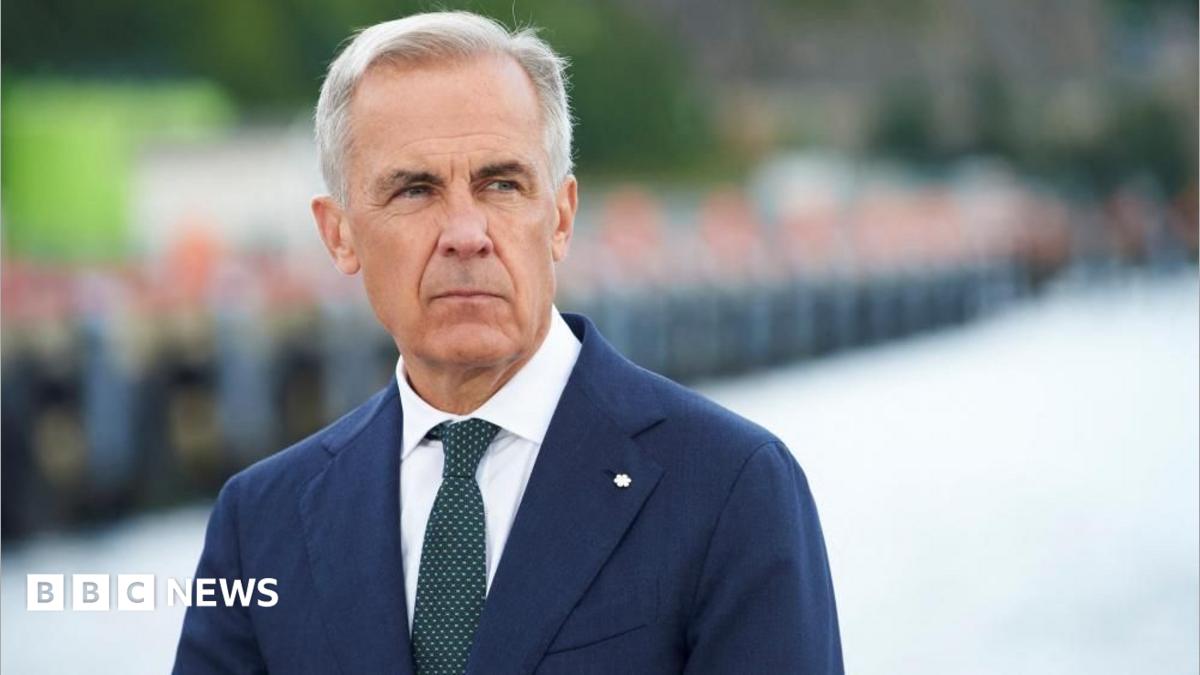
Canada will match new US tariffs dollar for dollar after last-minute trade talks collapsed on Friday night, Prime Minister Mark Carney announced, suspending negotiations and directing envoys back to Ottawa as 50% levies took effect on roughly $20bn of Canadian goods. Carney said Washington's eleventh-hour changes were unfair and uneconomic, ending hopes of a deal that had looked close earlier in the week.
Key Takeaways
- Canada suspended US trade talks and pledged reciprocal dollar-for-dollar tariffs after negotiations failed before a Friday deadline.
- New 50% US tariffs hit wine, dairy, cement, clothing, and hockey equipment, on top of existing levies on steel, autos, and lumber.
- Negotiators had discussed lowering some sector tariffs and restoring US alcohol to Canadian shelves before talks broke down.
- Business groups warn the escalation will raise costs on both sides of the border and threaten North American competitiveness.
- Carney said Canada will announce additional support for workers and businesses in the coming days.
Why did Canada-US trade talks break down?
Negotiations intensified since July after President Donald Trump threatened 50% tariffs on nearly $20bn of Canadian imports. Trump briefly paused those levies midweek, saying a deal was close and very good for both countries. Minutes before the deadline, Carney said progress was not enough to meet Canadian objectives.
US Trade Representative Jamieson Greer countered that Canada declined to finalise the trade deal under terms agreed earlier in the week, blaming new demands and walkbacks. The breakdown marks a sharp shift from earlier optimism on both sides.
What goods will the new US tariffs hit?
The levies, imposed under the Depression-era Tariff Act of 1930, target wine, dairy, cement, clothing, and hockey equipment. They sit atop existing US tariffs on Canadian steel, aluminium, autos, and lumber.
According to The Guardian, the measures affect about 5% of Canada's annual shipments to the US, from hockey sticks to tongue depressors. Trade specialist Steven Okun told Al Jazeera the blanket tariffs are unlikely to cripple Canada's economy but will heavily hit key sectors.
How will Canada respond to the tariffs?
Carney pledged to match the 50% tariffs dollar for dollar to protect workers and businesses. Ontario Premier Doug Ford backed the move, posting that tariff for tariff, dollar for dollar, was needed to protect Canadian sovereignty and economic security.
Greer warned the US is not going to tolerate counter-tariffs and would take action. An Abacus Data poll found roughly 36% of Canadians support retaliation, while 30% prefer continued negotiation.
What does this mean for consumers and businesses?
The US Chamber of Commerce warned higher tariffs would damage both economies, drive up costs for American families, and disrupt supply chains tied to the US-Mexico-Canada Trade Agreement. Candace Laing of the Canadian Chamber of Commerce called the levies a body blow to North American competitiveness.
Canada and the US traded $880bn in goods and services last year, and negotiators had discussed cutting steel and aluminium tariffs from 50% to 25% and auto levies from 25% to 15%. For readers tracking how policy shocks shape household budgets and long-term planning, see our Longevity & Biohacking coverage for broader context on economic resilience and consumer trends.