Canada signals GCAP fighter interest in Tokyo defense talks
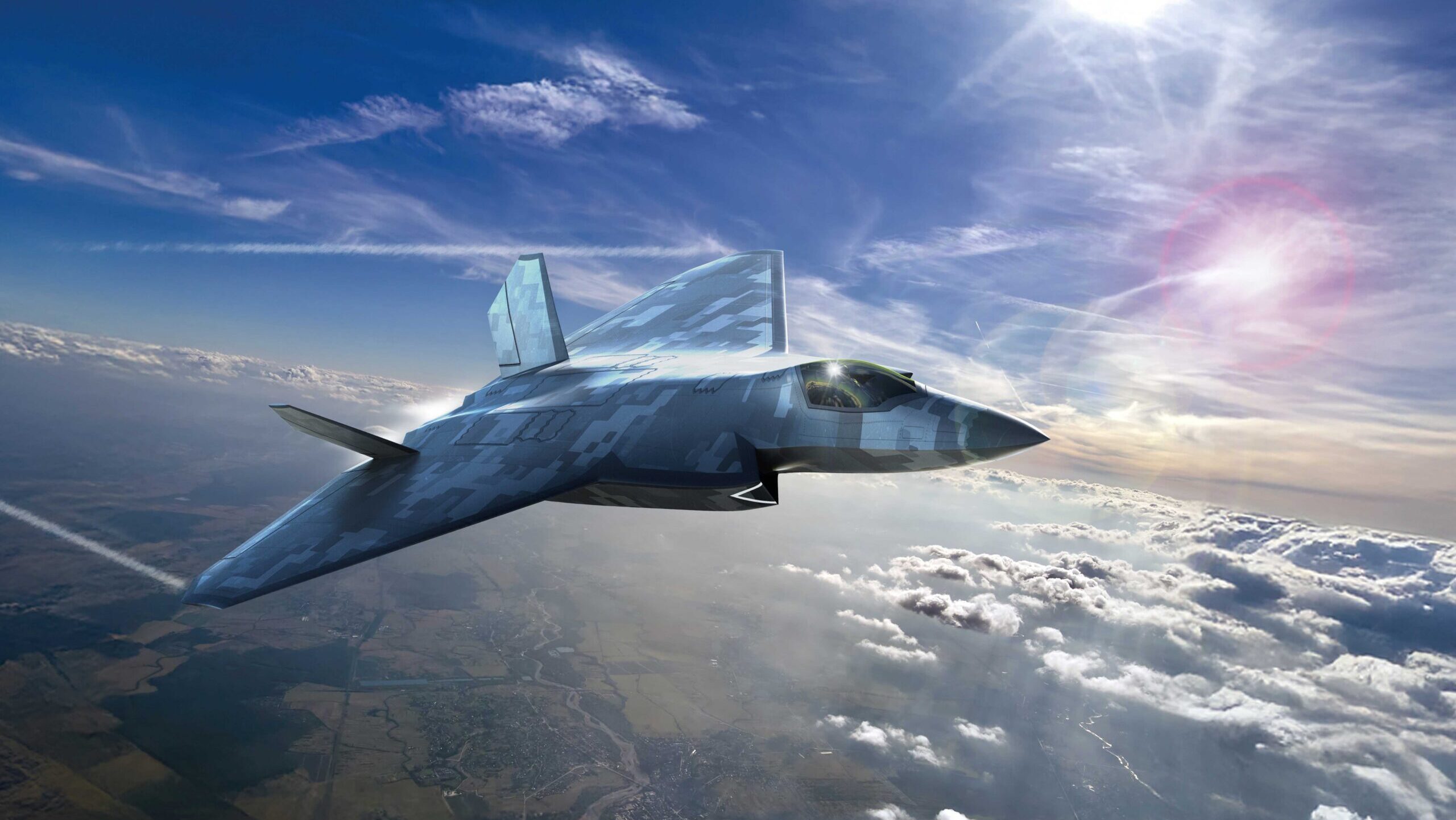
Canadian Defence Minister David McGuinty said in Tokyo that Ottawa is interested in learning more about the Global Combat Air Programme (GCAP), a Japan-UK-Italy sixth-generation fighter effort. His remarks mark the first public signal of canada gcap fighter interest as Canada weighs future airpower amid tensions with the United States.
McGuinty met Japanese Defence Minister Shinjiro Koizumi and called GCAP a promising initiative, telling Reuters he would take details back to his team. The comments came during a week of high-level Canada-Japan meetings spanning defence, trade, and critical minerals.
Key Takeaways
- McGuinty's statement is the first time a senior Canadian official has publicly discussed interest in GCAP.
- Canada has previously explored observer status, which would grant access to programme information without immediate development commitments.
- GCAP envisions a sixth-generation fighter jet, collaborative combat drones, and high-tech data sharing among Italy, Japan, and the United Kingdom.
- The outreach coincided with a Team Canada trade mission that secured more than $1.7 billion in commercial deals in Japan.
- Ottawa and Tokyo are also negotiating critical-minerals cooperation to diversify supply away from concentrated sources.
What Is the GCAP Fighter Programme?
The Global Combat Air Programme is a multinational effort between Italy, Japan, and the United Kingdom. According to Breaking Defense, the programme envisions a sixth-generation fighter jet alongside collaborative combat drones and high-tech data sharing among the three partners.
McGuinty told reporters he had discussed the programme during his meeting with Koizumi in Tokyo. He described it as a promising initiative but stopped short of committing Canada to join, saying Ottawa first needs to study what deeper involvement would look like.
Why Does Canada's Interest Matter Now?
Breaking Defense notes that McGuinty's comments arrive as Canada is considering a split buy of existing airframes for its next fighter, against a backdrop of tensions with the United States. Public interest from a cabinet minister therefore signals Ottawa is actively reviewing options beyond a single procurement path.
The timing also overlaps with a wider Canada-Japan partnership announced during Prime Minister Mark Carney's March visit to Tokyo, aimed at strengthening collaboration across defence, energy, trade, and technology sectors, according to The Globe and Mail.
Could Canada Join as an Observer?
During a March meeting in Tokyo, Japanese outlet The Asahi Shimbun quoted unnamed officials saying Canada joining GCAP as an observer had been discussed, according to Breaking Defense. Observer status would allow access to programme information from founding members and serve as a pathway to potentially deeper involvement, including joining as a development partner.
McGuinty's latest remarks do not confirm a decision. Instead, they keep the door open while his team reviews what participation could look like back in Ottawa.
What Else Happened During the Canada-Japan Visit?
McGuinty's defence talks unfolded alongside a broader diplomatic push. International Trade Minister Maninder Sidhu led a Team Canada trade mission from June 23 to 26, during which Canadian companies signed more than $1.7 billion in commercial agreements, according to The Globe and Mail. Sidhu called the total a record for a Canadian trade mission.
Deals signed during the week included climate-tech investments, automotive software partnerships, and cybersecurity agreements. Sidhu separately told Reuters that Canada and Japan are discussing joint critical-minerals projects, including possible stockpiling of key metals, as both G7 economies seek alternatives to China's dominance in the market.
Questions of supply-chain resilience now cut across sectors: the same minerals that power batteries and clean tech also underpin advanced defence manufacturing, linking fighter programmes to the broader economic-security agenda unfolding in Tokyo.