Cameras helped capture suspect in Mateo bus driver murder
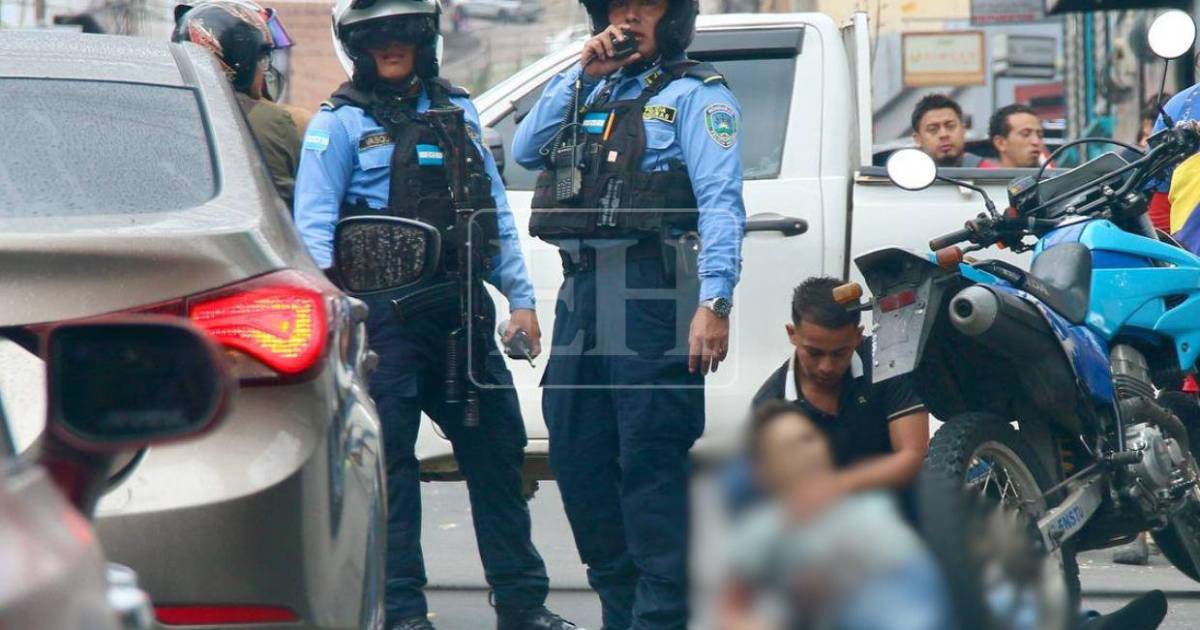
DIRECT ANSWER: Honduran police captured Brayan Enrique Oliva, 35, the suspected sicario in the killing of bus driver Juan Carlos Flores on the Mateo-Tapias-Mercado route. Security camera footage from Comayagüela and the national 911 system tracked the alleged shooter to Colonia 3 de Mayo, where officers seized a revolver believed used in the Wednesday attack.
Key Takeaways
- Police identified Brayan Enrique Oliva, 35, as the presumed killer of Juan Carlos Flores after reviewing 911 surveillance feeds.
- Flores was shot around 11:00 a.m. Wednesday on Third Avenue in Comayagüela and later died at Hospital Escuela.
- Transport leader Wilmer Cálix said the killing raises 2026 driver deaths to 25, even though this route faced no extortion threats.
- Authorities traced a fleeing mototaxi through cameras to Colonia 3 de Mayo and recovered a revolver for fingerprint testing.
- The sector is pressing Honduras for stronger security plans beyond the new anti-extortion unit, DAET.
Who was Juan Carlos Flores and what happened?
Around 11:00 a.m. on Wednesday, Juan Carlos Flores was driving a rapidito bus on the Mateo-Tapias-Mercado route when he was intercepted and attacked on Third Avenue in Comayagüela, part of greater Tegucigalpa. Video published by La Prensa shows that after being shot, Flores pleaded for help on a busy capital street until police arrived.
Officers rushed the gravely wounded driver to Hospital Escuela, where staff confirmed his death. Union leaders say public-transport workers continue to face deadly violence across Honduras.
How did security cameras help capture the suspect?
National Police Commissioner Wilmer Mayes said surveillance was decisive. Officers reviewed feeds from the Sistema Nacional de Emergencias 911 and followed the suspects after the shooting. Mayes told El Heraldo that the group fled on a mototaxi with an unknown destination.
Camera tracking placed the vehicle in Colonia 3 de Mayo, where police detained Brayan Enrique Oliva, 35. They seized a revolver that Mayes said is presumed to be the weapon used against Flores. The gun will undergo fingerprint analysis to confirm whether it was the murder weapon.
Oliva was taken to Metropolitan Police Unit No. 2 in the La Granja sector. Mayes said police began monitoring cameras immediately after the crime, calling the footage central to locating the suspect.
Why does this killing push Honduras transport deaths to 25?
Transport leader Wilmer Cálix confirmed Wednesday that Flores's murder brings the number of public-transport workers killed in 2026 to 25, according to Proceso Digital. Cálix noted that Flores's route was not under extortion threats, leaving the motive unclear and deepening anxiety across the sector.
Cálix urged authorities to investigate whether the attack stemmed from extortion, robbery, or a personal dispute. He warned that the new División Anti Extorsión y Asociaciones Terroristas (DAET) alone cannot stop the killings without broader state support, faster investigations, and clearer security strategy.
What is the transport sector demanding from authorities?
Union leaders say drivers remain exposed nearly six months into Honduras's new government, despite promises of improved public safety. Cálix said several routes still operate with restrictions or have shut down since 2025 because workers refuse high-risk assignments.
For readers tracking how surveillance, enforcement gaps, and institutional pressure intersect across markets, see our Fintech & Crypto Alerts coverage. Cálix's message was blunt: employees keep dying, and the sector wants arrests, answers, and a plan that restores normal service—not another statistic left in impunity.