Scottish firefighters contain Cairngorms wildfire after 24-hour fight
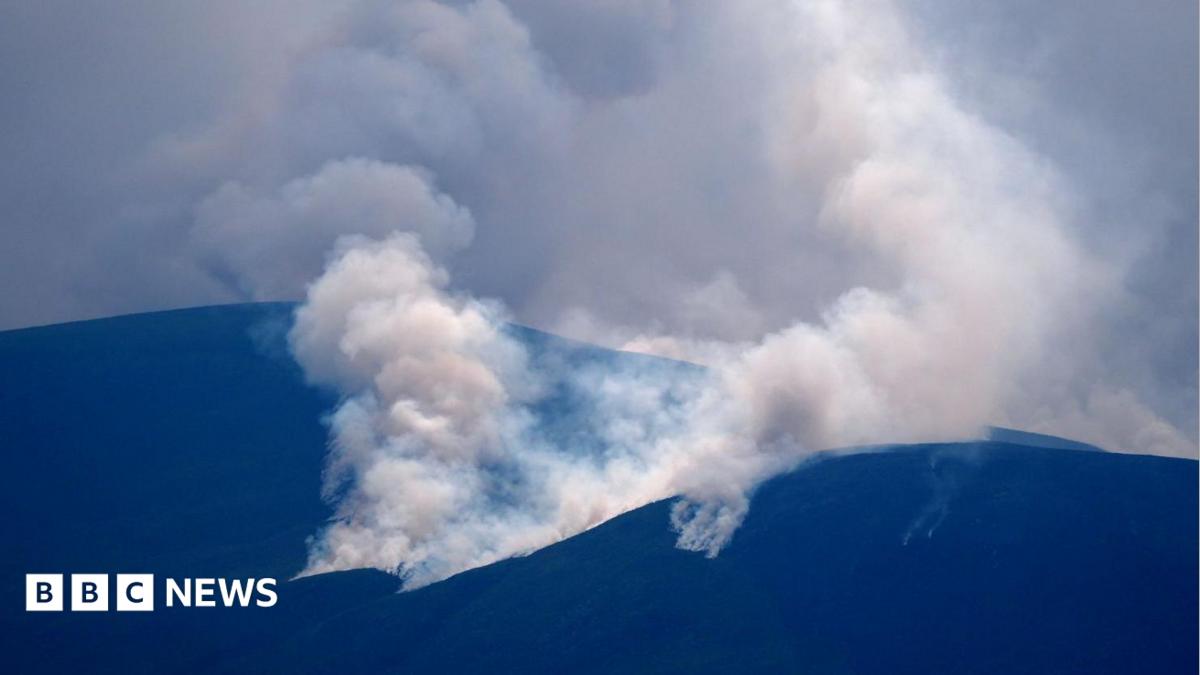
Scottish firefighters have contained a wildfire in Cairngorms National Park that burned for more than 24 hours and stretched nearly four miles near Ryvoan Bothy, Justice Secretary Neil Gray confirmed on 16 July 2026. Emergency crews remain on scene as a very high wildfire risk warning stays in place across central Highlands, southern and eastern Scotland until 20 July.
Key Takeaways
- Justice Secretary Neil Gray said the blaze is "currently contained" thanks to the "exceptional work of firefighters" who have been on scene since Wednesday morning.
- The fire began near Ryvoan Bothy, south of Nethy Bridge, at about 11:50 on 15 July and spread across more than two miles of dry land within 24 hours, with ITV reporting a nearly four-mile stretch affected overall.
- The Scottish Fire and Rescue Service (SFRS) kept multiple appliances, a specialist wildfire unit and a 4x4 vehicle at the site, while nearby villages, campsites and homes remained evacuated.
- RSPB Scotland said roughly 300 hectares of land have burned near Loch Garten, with 27 staff and volunteers helping fight the blaze using all-terrain vehicles, water bowsers, backpack hoses and shovels.
- A very high wildfire warning remains in force until Monday 20 July, and authorities urged the public to stay away from the affected area.
What Happened at Cairngorms National Park?
The wildfire broke out in the UK's largest national park on Wednesday 15 July 2026. SFRS was first alerted shortly before midday, and the blaze took hold near Ryvoan Bothy at Nethy Bridge around 11:50.
Within a day, flames had spread across more than two miles (3.5km) of dry ground. SFRS described the incident as affecting an area of approximately six kilometres near Glenmore. High winds pushed the fire through trees and woodland, complicating efforts to slow its advance.
Nearby villages and campsites were evacuated as a precaution. The Cairngorms National Park Authority said the ongoing incident near Ryvoan Bothy was "deeply concerning" and thanked everyone working to tackle it.
For anyone tracking how major incidents ripple through local economies, our Wealth Hacks & Passive Income coverage often explores how disruption to tourism, property and outdoor businesses can hit rural income streams hard. A park-wide evacuation and cordon during peak summer season is exactly the kind of event that can stall visitor spending overnight.
How Did Firefighters Contain the Blaze?
On Thursday 16 July, Neil Gray — whose ministerial responsibilities include SFRS — told reporters the wildfire was "currently contained" because of the "exceptional work of firefighters." He also praised police, land managers and volunteers for "doing an outstanding job keeping people, property and the natural environment as safe as possible."
Firefighters worked overnight to protect nearby homes, businesses and surrounding infrastructure. They created firebreaks alongside landowners and partner agencies to limit further spread. RSPB rangers supported the response, including using a drone to monitor conditions from above.
Despite containment, SFRS said flames were continuing at a "steady pace" and described the operation as a "protracted incident." Deputy Assistant Chief Officer Ian McMeekin thanked firefighters for their "continued commitment and determination in challenging conditions" and asked the public to follow official advice.
At the height of the response, BBC reporting indicated six fire engines, a specialist wildfire unit and a 4x4 vehicle remained deployed. Gray said the Scottish Government was monitoring the situation closely and that SFRS had confirmed adequate resources were committed to the incident.
Why Are Helicopters Absent From the Response?
One notable gap in the Cairngorms operation is aerial support. RSPB Scotland, which runs the nearby Loch Garten nature reserve, said there is an "urgent" need for a firefighting helicopter but that none is currently available.
The charity believes all such aircraft have been deployed to wildfires south of the border in England and Wales — a detail that underscores how stretched emergency resources can become during a heat-driven surge in blazes across the UK.
That resource pressure matters beyond the fire line. When helicopters, specialist crews and volunteer networks are pulled toward multiple incidents at once, response times lengthen and ground teams carry more of the burden. For communities whose livelihoods depend on protected landscapes and visitor access, delayed containment can extend economic fallout from closed roads, cancelled bookings and damaged habitat.
How Much Land Has Been Damaged?
RSPB Scotland estimated that approximately 300 hectares of land have burned so far. The charity mobilised 27 staff and volunteers on Wednesday alone, deploying practical kit rather than relying solely on front-line fire appliances.
The Cairngorms National Park Authority confirmed firefighters had been working with landowners to contain the incident and build fire breaks. A spokesperson echoed SFRS guidance to avoid the area while crews and partners worked to bring the blaze under full control.
Wildfire damage at this scale can take years to recover ecologically. For land managers, conservation charities and rural businesses tied to the park's reputation, that recovery timeline also shapes income planning — especially when warnings suggest further fires remain likely.
What Risk Remains for Scotland This Weekend?
Containment does not mean the danger has passed. A very high wildfire warning for central Highlands, southern and eastern Scotland remains in place until Monday 20 July, following weeks of warm weather and high temperatures.
SFRS Wildfire Tactical Advisor Kevin Dingwall warned that hot, dry conditions increase wildfire risk even outside formally flagged zones. ITV reported that authorities are urging vigilance across Scotland as the warm spell continues.
McMeekin asked everyone to stay away from the affected Cairngorms area and to help reduce the risk of further wildfires while crews work toward a safe conclusion. Nearby homes remained evacuated as of the latest updates from BBC News.
What Should Visitors and Residents Do Now?
Official advice is straightforward: avoid the Ryvoan Bothy and Glenmore area, respect cordons and follow SFRS guidance. Gray stressed that public safety drove evacuation decisions and that those measures would stay in place while the incident remained active.
Anyone planning trips to Scotland's national parks during heatwaves should treat wildfire warnings as more than a weather footnote. Closed access routes, smoke pollution and sudden evacuations can disrupt travel plans and local trade within hours.
Firefighters have done the heavy lifting to contain this blaze. The next phase depends on weather, public behaviour and whether Scotland's stretched emergency resources can keep pace if new fires ignite elsewhere.