Cairngorms national park left unrecognisable by wildfires
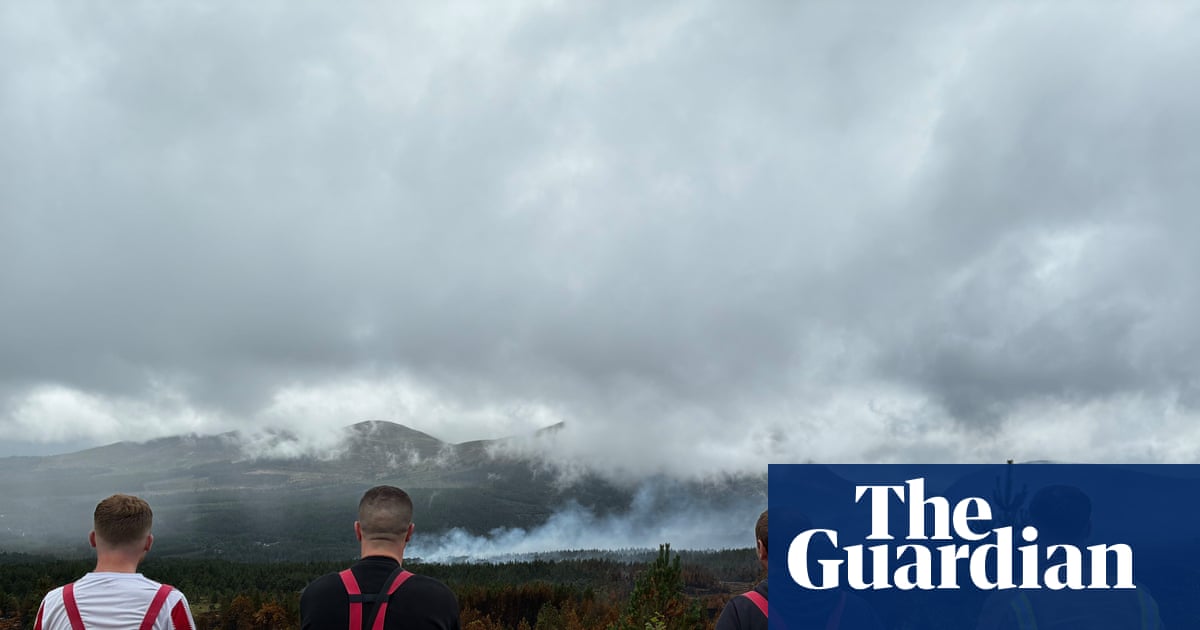
Twelve days after flames tore through Scotland's Highlands, large parts of the Cairngorms national park are unrecognisable, with blackened moorland still smoking and officials warning full extinguishment could take weeks or months. Park leaders call it the worst blaze ever seen there, and recovery may take decades.
Key Takeaways
- The Cairngorms national park fire, which began near Glenmore on 15 July 2026, is described by park bosses as the worst the area has ever seen.
- Emergency crews say rain and lighter winds have slowed spread, but more than 75 firefighters remain on a still "large and complex" incident.
- Scotland's justice secretary rejected a UK military offer after waterbombing helicopters were unavailable, drawing local criticism.
- Nethy Bridge residents evacuated as a precaution have been allowed home; older Caledonian pine stands were largely protected by fire breaks.
- Ministers say the blaze was likely sparked by human interaction and will review Scotland's wildfire response.
What happened in the Cairngorms national park?
According to The Guardian, Sunday's clearer skies revealed hectares of blackened ground and smoke still rising from active burn areas. By evening the sky glowed an eerie orange.
Grant Moir, chief executive of the Cairngorms national park, told the paper it was the worst fire the park had seen, and that the location—in the heart of the Cairngorm mountains and Abernethy—made the loss especially painful. Authorities warn the danger is far from over.
The BBC reports the fire broke out near Glenmore on 15 July and later prompted evacuations of residents and campsites. At one stage more than 500 firefighters were involved. Local community chair Sandy McCook told the BBC the burnt area had reached about 30 square kilometres of prized landscape, while earlier reporting also described roughly six square kilometres of heather and small trees burning at the fire's height.
Flames reached parts of the Caledonian pinewood forest, including stands with Scots pines around 300 years old. Forestry and Land Scotland planning manager Ian Allsopp said most of the older forest was saved by fire breaks urgently bulldozed early in the response. Larger animals such as deer likely escaped; smaller mammals, lizards, insects and ground-nesting birds would have perished.
Why did ministers reject UK military help?
Scotland's justice secretary, Neil Gray, defended turning down a UK military support offer after a major incident was declared. The UK said it could provide military helicopters for heavy lifting and stand-by battalion support. Gray said the "specific request" was for waterbombing helicopters, which the UK military does not have.
Gray told BBC Radio Scotland that every commercial waterbombing helicopter in the UK had been scrambled, and that formalising the request confirmed the capability gap. A UK government spokesperson said ministers were "urgently considering what support can be provided," including mutual aid from English fire services and national resilience functions.
McCook, also chairman of Nethy Bridge Community Council, called rejecting UK assistance "churlish in the extreme" and accused Scottish ministers of "dithering." He argued earlier UK help might have limited the burn. The Scottish Greens separately urged publicly available firefighting aircraft in wildfire season rather than relying on private operators and borrowed resources.
Three private helicopters have been contracted in the Cairngorms, dropping roughly 750,000 litres of water a day on hotspots—essential work in steep, hard-to-access terrain. Allsopp said crews were "so lucky" private operators could help fight what he called an "inferno."
How are residents coping after evacuation?
Anxiety rose after locals were told the fire was "contained," only for strong winds to revive it and force a Friday-night evacuation of Nethy Bridge. Residents have since been told they can return. Inside the village community centre, donated food lined tables as exhausted fire, police and volunteer teams used the site as a makeshift base.
McCook, a retired press photographer, described Friday's flames as "cataclysmic" and "absolutely heartbreaking." He showed reporters a photo of the blaze when it was only tennis-court sized, arguing a government-contracted specialist helicopter could have knocked it down within two hours of the first report.
Police Scotland said on Saturday night it was no longer treating the fire as a major incident. Nine fire engines, specialist resources and about 75 firefighters remained near Nethy Bridge as of BBC reporting on 27 July—about 13 days after ignition.
Will the Cairngorms national park fire be extinguished soon?
The Scottish Fire and Rescue Service said conditions had "improved significantly" after overnight Sunday rain and lower winds, but deputy assistant chief officer Kenny Barbour called the incident still "large and complex." Firefighters described an "intensive operation" continuing on the ground.
Allsopp cautioned that wet weather alone will not finish the job. Helicopter water-bombing is needed "for days and days and days" to contain deep-seated heat. Light rain has helped, yet crews remain anxious about further dry spells. Full extinguishment could take weeks, if not months.
A national park bylaw introduced in April banned campfires and barbecues over summer to cut ignition risk. The exact cause of this blaze remains unknown, though Gray said it was likely "human interaction," and most UK wildfires have a human origin—from a discarded cigarette to abandoned glass.
Recovery of rare habitat will be a long challenge. Damage already done could take decades, if not longer, to put right. For readers tracking how shocks reshape long-term planning and local resilience themes, see BlasterPost's Wealth Hacks & Passive Income coverage.
The response remains a coordinated effort among Forestry and Land Scotland, the national park authority, police, fire service, RSPB, Highland Council and partners, with Scottish and UK government assistance offered. Allsopp said organisations had pooled skills under pressure that at times felt like "a war strategy."