Is Burnham bringing Trump-style politics to Regatul Unit?
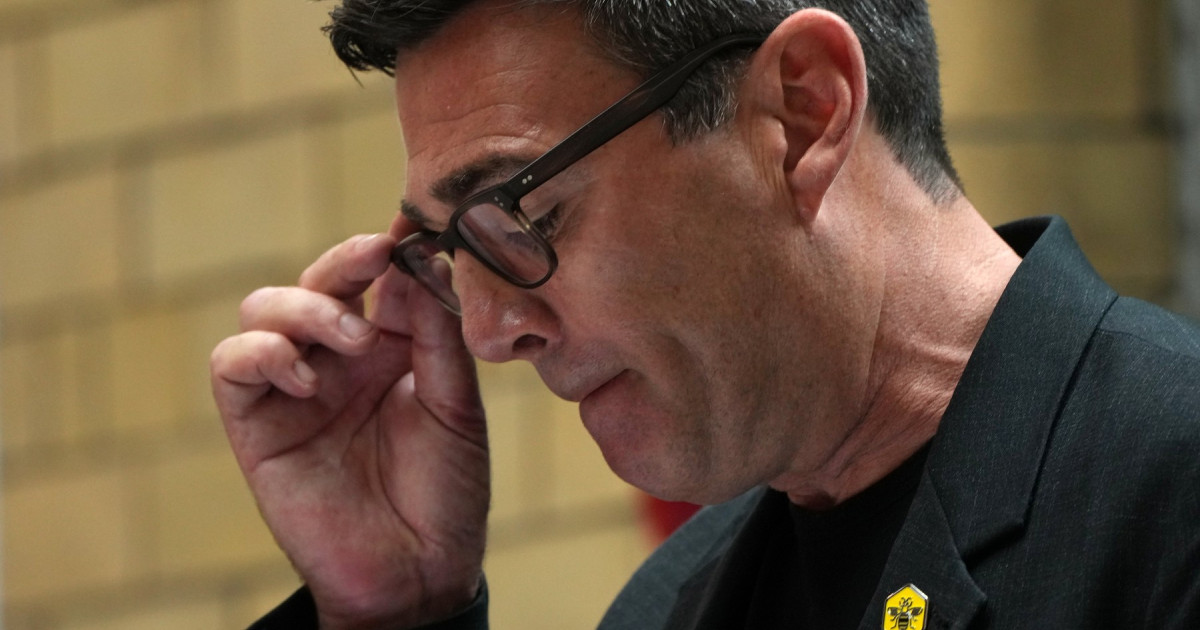
Andy Burnham, the new UK prime minister, is drawing comparisons to Donald Trump for anti-elite messaging and constant direct outreach — even as he vows to push regatul unit away from nationalist populism. He says he is “ready” and has a plan centred on living costs and local power.
Key Takeaways
- Burnham took Labour’s leadership after Keir Starmer’s exit and entered Downing Street amid Reform UK’s rise.
- Analysts liken his outsider style and social-media reach to Trump’s methods, while noting Trump remains unpopular in Britain.
- Early moves include cutting VAT on electricity bills and a 20% business-rates cut for about 32,000 hospitality venues.
- His broader blueprint stresses shifting power from London to regions, tied tightly to cost-of-living relief.
According to a Digi24 report citing Politico, Burnham loves social media, rails against snobbish elites and aims to speak for voters who feel left behind — a mix familiar to Trump watchers. Yet his political success depends on steering Britain clear of the nationalist populism that lifted Trump and, at home, Nigel Farage’s Reform UK.
Labour MPs backed Burnham after months of missteps under Starmer, hoping a fresher outsider could reconnect with cynical voters. Reform UK has shattered traditional Labour strongholds and led national polls for more than a year.
Why is Burnham being compared to Trump?
Both channel anger at political elites. In the 2024 book Head North, Burnham and Steve Rotheram wrote that Trump and Farage forged a bond with people who feel politicians neglected their communities — and that Labour must fight the far right on that same ground.
Burnham presents as an outsider from England’s industrial North, using conversational selfie videos to look like “one of us.” Luke Tryl of More in Common UK said Trump is very unpopular in Britain, but even critics admit he does what he promises — a perception of action Burnham can learn from populists.
Deborah Mattinson, a former Labour strategy chief, said core working-class voters are angry, impatient and sceptical that politicians can deliver. Farage still dominates British political media coverage; Burnham is trying multi-channel direct talk on platforms such as X, TikTok and Instagram.
What early cost-of-living steps has he announced?
Policy detail has been thin, but speed matters. Tryl said voters want concrete living-cost action within the first six months. That urgency links this story to wider economic and markets coverage on our Fintech & Crypto Alerts hub.
Veridica, citing Reuters, reported Burnham’s first Cabinet move: removing VAT from household electricity bills from 1 October, cutting about £45 from an average annual bill near £1,862. Funding would come from cancelling Starmer’s digital ID scheme — a claim a Starmer ally disputed, marking an early Labour fracture.
Libertatea, citing The Independent, said Burnham also pledged a 20% cut in business rates for pubs, clubs and concert venues in England from April 2027, covering roughly 32,000 hospitality sites and saving a typical pub up to £1,100 a year. Large live-music venues are excluded. The package sits alongside a restored £2 bus-fare cap in England.
“I said I would protect pubs and local high streets — the heart of our communities — and that is what we will do,” Burnham said of the rates cut, calling it “only the beginning.”
Can he stop Reform UK before voters give up?
Burnham’s window is narrow. More in Common found 40% of respondents willing to “let institutions collapse,” versus 60% who still want to preserve and improve them. Mattinson warned he has “the smallest window of opportunity” to win back lost Labour supporters and must look like a new, different government fast.
His stated preference is more consensual politics across left and right. The risk, Digi24’s analysis notes, is that impatient voters will not wait for a mindset shift before demanding results. On taking Labour’s leadership, Burnham put it bluntly: “I’m ready. I have a plan.”