Burnham to scrap digital ID for cost of living focus
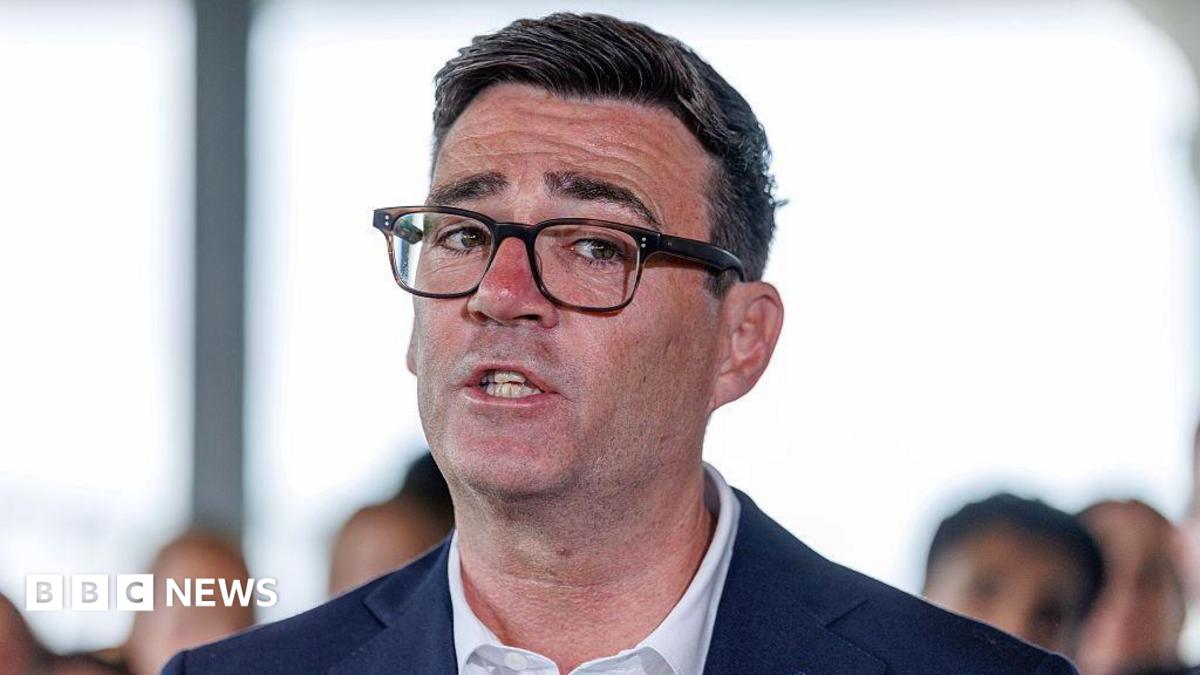
Andy Burnham will scrap the UK government digital ID scheme when he becomes prime minister on Monday, shifting the Burnham digital agenda toward cost-of-living help instead of a national ID programme that Starmer first backed then watered down after mass opposition. His office framed the move as a reset toward daily priorities, redirecting time and resource once earmarked for ID cards.
Key Takeaways
- Burnham will drop the digital ID scheme entirely on taking office Monday.
- Resources earmarked for national ID will be redirected toward cost-of-living help.
- Starmer’s plan faced a petition of about three million signatures and was later made voluntary.
- Opposition parties split: Lib Dems welcomed the scrap; Conservatives questioned credit-taking.
- Right-to-work checks are still expected to remain mandatory for employers.
What is Andy Burnham changing on digital ID?
When Burnham meets King Charles III and becomes prime minister on Monday, one of his first pledges is to scrap plans for a government-issued digital ID for British adults. A spokesperson said time and resource once earmarked for a national ID scheme will instead go “where it’s most needed, such as helping with the cost of living.”
Under Starmer, ministers had already ditched the compulsory element after public backlash and relaunched the scheme as voluntary. Burnham’s team says dropping it entirely is a “reprioritisation of public resource” toward everyday life and local economies over “expensive national government schemes.” Coverage of related tech and policy shifts continues in Future Tech & AI Wonders.
Why does scrapping digital ID matter now?
Starmer first floated mandatory digital ID for workers ahead of Labour’s conference last year, arguing it would help tackle illegal working and let people prove identity for services without hunting for utility bills. The Guardian reported the so-called “Brit card” was meant to carry residency status, name, date of birth, nationality and a photograph, with rollout aimed toward 2029.
The Office for Budget Responsibility estimated the programme could cost about £1.8 billion over three years; Downing Street rejected that figure. After nearly three million people signed a parliamentary petition opposing digital IDs, the government shifted to a voluntary model. Home Affairs Committee chair Dame Karen Bradley later called the launch “nothing short of a fiasco” that raised fears of government over-reach.
According to the BBC, Burnham’s office says scrapping the scheme will put focus “where people need it right now” by redirecting earmarked resources to everyday priorities.
How are rivals reacting to the Burnham digital pledge?
Conservative shadow technology secretary Julia Lopez accused Burnham of “trying to pretend he’s riding to the rescue” after Labour “wasted millions of pounds on this project,” and asked whether mandatory ID was already off the table. Liberal Democrat MP Lisa Smart said people would be “hugely relieved” they are “no longer set to be forced to hand over their data just to go about their daily lives.”
Sources close to Burnham told the Guardian he remains committed to a crackdown on illegal working. Right-to-work checks are expected to stay mandatory for employers, with legislation eyed to extend verification into the gig economy, including parcel couriers and delivery drivers. How much money ditching the scheme will free up remains unclear, because Starmer’s government never set out a clear budget for it.