Burnham to put devolution at heart of first No 10 bid speech
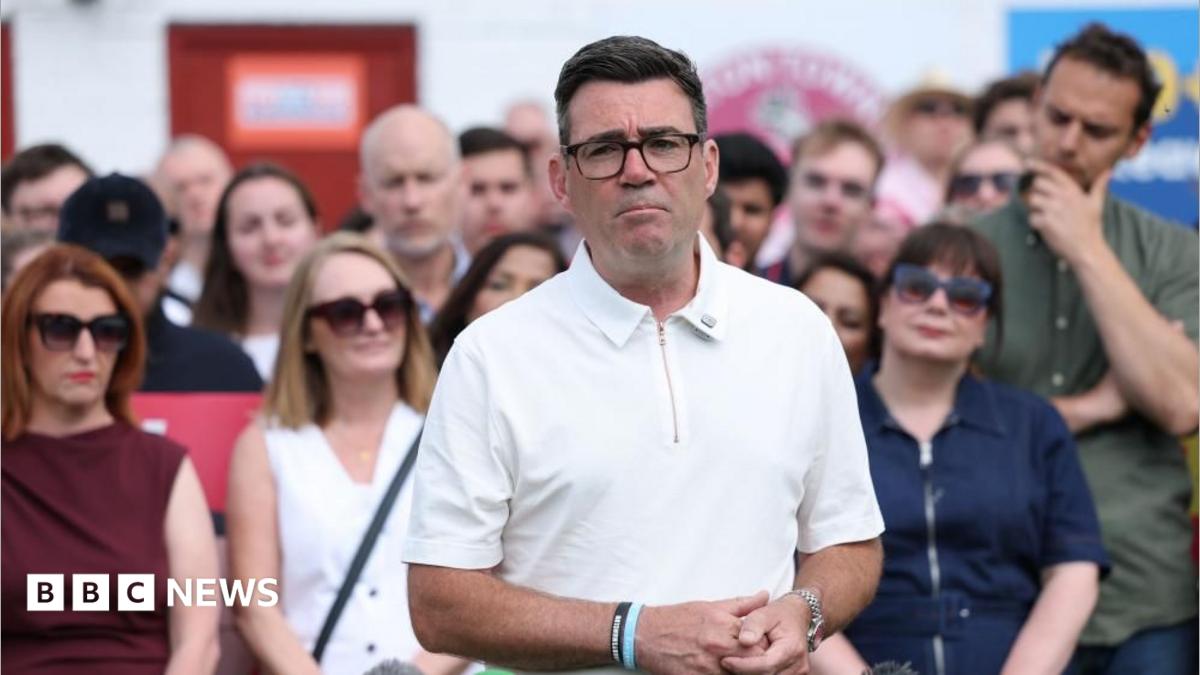
Andy Burnham will use his first major speech since launching his Downing Street bid to put devolution at the centre of his programme for government, pledging a No 10 North in Manchester and good growth in every postcode by shifting power away from Whitehall in what allies call the biggest transfer of authority in modern times. Speaking at the People's History Museum on Monday, the Makerfield MP will outline how regional decision-making could rebalance an economy long dominated by London.
Key Takeaways
- Burnham will confirm plans for a No 10 North to coordinate economic renewal across every UK nation and region.
- He is pledging a 10-year mission to raise living standards through reindustrialisation, housing, infrastructure and utility reform.
- Allies describe the plan as the biggest transfer of power out of Whitehall in modern times, with more control for mayors and local communities.
- He is expected to stick to Labour's fiscal rules while signalling a shift in emphasis from the current government.
- Opposition parties have questioned whether devolution alone can address welfare, tax and defence pressures.
What is Burnham promising on devolution?
In Manchester, Burnham will argue that Britain needs a change in how it is governed, not just who governs it. According to The Guardian, he will pledge good growth in every postcode by transferring significant power out of Whitehall to local communities.
The former Greater Manchester mayor is understood to be considering handing local authorities some powers over taxes, including business rates. The BBC reports he will say decision-making must be pushed to regions and local communities, replacing a top-down national model.
His proposals would appear to be a national version of his Makerfield test, judging policies by how they affect places Westminster has neglected. He has previously called for every area of the UK to be given its own devolved settlement.
Why does a No 10 North matter?
The flagship proposal is a No 10 North: part of the prime ministerial operation would move to Manchester to drive devolution and coordinate long-term economic renewal across every nation and region.
He will draw on the Greater Manchester model, built on partnerships between government, business, universities and communities. With Burnham on course to succeed Sir Keir Starmer on 20 July if no rival emerges, the speech marks his first chance to set out a decade-long platform for government.
How regional governance shapes innovation and infrastructure investment is a recurring theme in our Future Tech & AI Wonders coverage, as devolved powers increasingly influence where growth lands.
What else will the speech cover?
Beyond devolution, Burnham is expected to commit to a 10-year mission to lift Britain back up through reindustrialisation, housing, infrastructure and improvements to essential utilities. He will also pledge to give Britain the circuit-breaker it needs and address falling public trust in politics.
Other expected measures include reforming public procurement to support British industry in return for more apprenticeships, plus education changes to ensure parity between academic and technical routes. He will also begin setting out a response to the Milburn report on reducing youth not in education, employment or training.
How are rivals and markets responding?
Burnham has signalled he will stick to the fiscal rules set by Rachel Reeves, who on 25 June urged him to maintain her economic approach while backing fiscal devolution. Communities Secretary Steve Reed told the BBC on Sunday that Burnham would honour Labour's 2024 manifesto with a shift in emphasis.
Conservative chairman Kevin Hollinrake said Burnham's big idea is to shuffle power between politicians rather than make welfare reforms, cut taxes or fund defence. Reform UK dismissed previewed plans as talk without action, while Liberal Democrat leader Sir Ed Davey warned Burnham has a very short window to turn the government around.
Former Chief of the Defence Staff Admiral Sir Tony Radakin has called on Burnham to commit to raising defence spending to 3.5% of GDP by 2035 if he becomes prime minister.