Burnham caps most bus fares at £2 but shelves tax cut talk
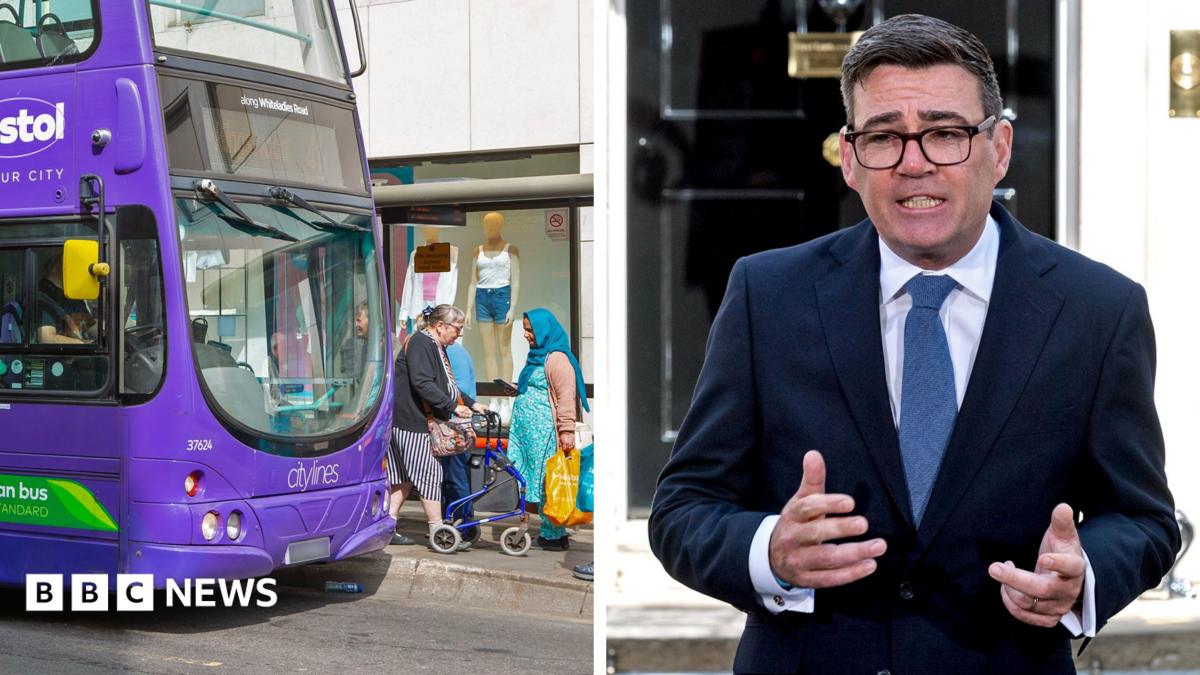
Prime Minister Andy Burnham will cap most single bus fares in England at £2 from 1 January 2027 through the rest of that year, cutting the current £3 cap by a third. Transport Secretary Heidi Alexander says the policy is fully funded via budget switches, while Burnham has stepped back from hints of raising the income tax personal allowance.
Key Takeaways
- Most single bus fares in England (outside London) will be capped at £2 from 1 January 2027 for the rest of that year.
- The scheme is expected to cost more than £500m, with £454m reallocated from the energy department.
- About £400m comes from switching international climate grants to loans; £54m from departmental savings.
- Burnham has pulled back from a possible rise in the £12,570 personal allowance, frozen since 2021.
- Heidi Alexander says she is “100% sure” the fare cap is fully funded; Conservatives dispute the arithmetic.
What did Andy Burnham announce on bus fares?
Burnham said most single bus fares in England will fall under a £2 cap from January 2027, lasting through the year. That lowers the existing £3 national cap by a third. London keeps its own system, where a single bus ride already costs a flat £1.75.
“Lower fares will help people get to where they need to – giving them breathing space to help with the cost of living,” Burnham said. The move follows yesterday’s pledge to cut VAT on household electricity bills and fits his early pitch as a “cost of living government.” For more policy and money-market context, see our Fintech & Crypto Alerts hub.
How will the £2 bus fares cap be paid for?
Officials expect the measure to cost more than £500m. The government says £454m will be reallocated from the Department for Energy Security and Net Zero, on top of money already set aside by the Department for Transport for buses. Roughly £400m of that £454m comes from turning international climate finance grants into loans, with £54m from other savings in the energy department’s budget.
Chancellor John Healey said the cost-of-living step is “funded by savings made elsewhere, so there’s no burden to British taxpayers.” Alexander told the BBC she was “100% sure” the cash was there and that the government was “not making any unfunded spending commitments.” Shadow chancellor Mel Stride accused ministers of failing to spell out where the money will come from. Full live coverage is on the BBC politics live page.
Why did Burnham pull back from an income tax cut?
Over the weekend Burnham told The Times that voter frustration about the personal allowance was “lodged in my mind.” On Monday he said the next budget would look at it, while warning any change would be expensive and “difficult given the financial circumstances.”
People close to him have since told the BBC that raising the allowance is not part of his first cost-of-living plan. The £12,570 tax-free threshold has been frozen since 2021 and is not due to rise until 2031, pulling more earners into tax as wages climb. The quick fare cut and electricity VAT relief show near-term priorities; a bigger income-tax giveaway looks deferred.
Bus operators’ trade body CPT welcomed putting buses at the heart of cost-of-living plans but urged a “fair” reimbursement model so the £2 cap stays sustainable for private networks outside London and Manchester.